FIFA hydration breaks spark backlash and blamed for killing momentum at World Cup
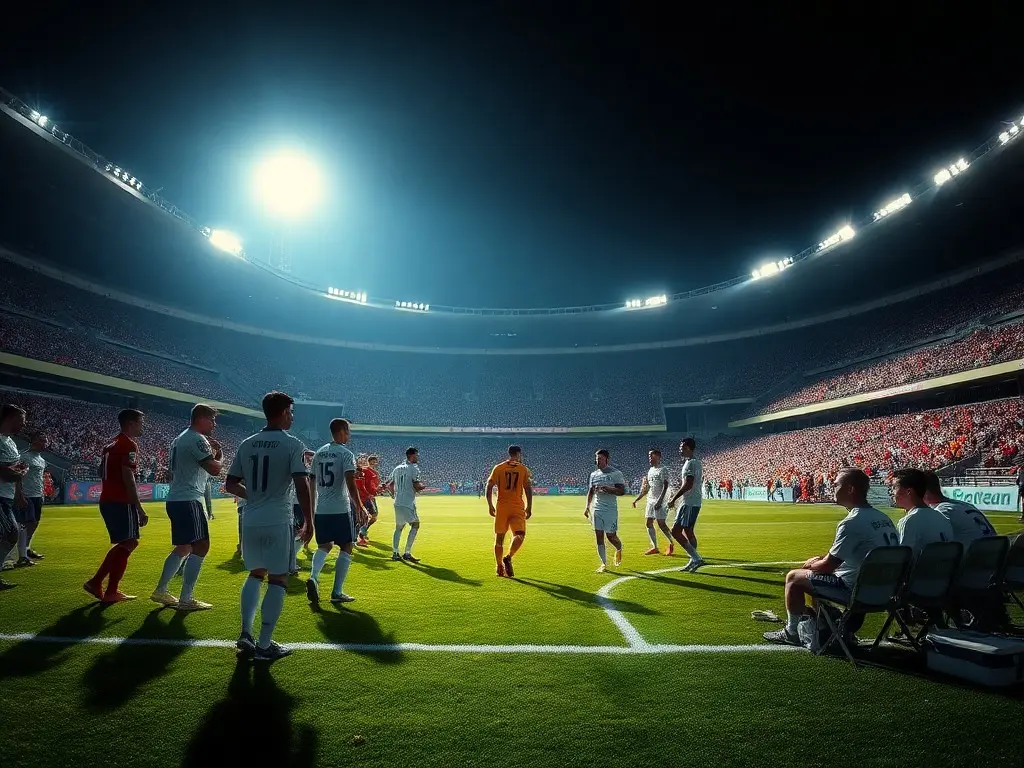
FIFA’s new hydration breaks during the 2026 World Cup have drawn criticism for disrupting game momentum, with teams like Curaçao and Morocco conceding goals shortly after restarts against Germany and Brazil, respectively. Critics argue the breaks, mandated regardless of weather, allow tactical adjustments and hurt the flow of play, despite their intended purpose of addressing heat concerns in host nations like the U.S., Canada, and Mexico.
FIFA’s hydration breaks midway through each half at the 2026 World Cup have sparked backlash, particularly after Curaçao’s 7-1 loss to Germany in Houston. The break followed Liviano Comenencia’s goal, which shifted momentum before Curaçao conceded two goals before halftime. Former England striker Alan Shearer criticized the stoppage, calling it a momentum killer, while former Ireland player Roy Keane compared it to a timeout, arguing it disrupts the game’s pace. The breaks, introduced to address summer heat in North America, have also given coaches tactical advantages. Netherlands manager Ronald Koeman acknowledged using the pause to adjust strategies, stating it allows mid-game corrections. In eight of the first 16 matches, goals were scored within 10 minutes of restarting play, including Brazil’s equalizer against Morocco and Canada’s goals against Australia. Critics argue the breaks prioritize commercials and tactical shifts over player welfare, despite temperatures exceeding 90°F (32°C) in some venues. Fans at the Iraq-Norway match in Foxborough, Massachusetts, booed the first hydration break, highlighting fan frustration. FIFA has maintained the breaks will occur regardless of weather, venue, or location, even in air-conditioned stadiums like Atlanta’s Mercedes-Benz Stadium. The 22-minute stoppages—three minutes for hydration—have altered game dynamics, with momentum maps showing shifts after restarts. Teams like Sweden, Iran, and Scotland have benefited from goals after the break, raising questions about the breaks’ impact on competition fairness. The controversy underscores tensions between player safety and preserving the game’s natural rhythm.
This content was automatically generated and/or translated by AI. It may contain inaccuracies. Please refer to the original sources for verification.