FIFA World Cup Drone Threat Prompts Call for American-Made Security Systems
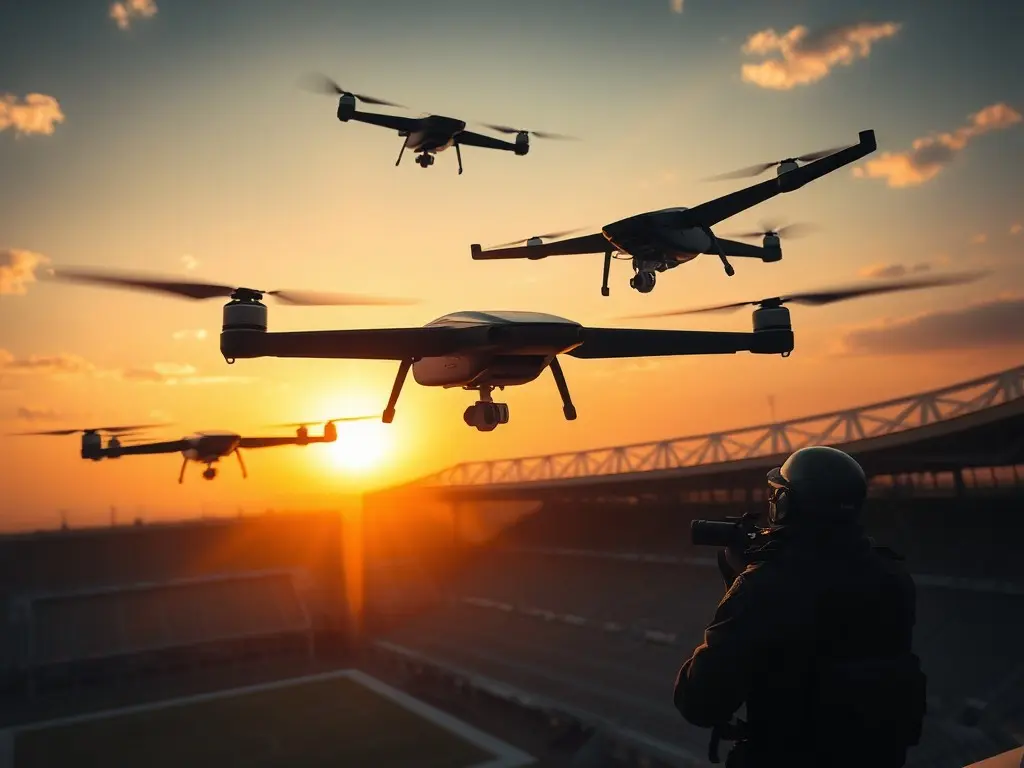
Security experts warn that commercial heavy-lift drones pose a severe threat to the 2026 FIFA World Cup venues, with potential payloads exceeding 200 lbs capable of causing mass casualties. Hylio CEO Arthur Erickson argues for American-made, end-to-end controlled drone systems to mitigate risks, citing vulnerabilities in imported platforms with weak security and untrackable operations.
Security planners are preparing for a growing aerial threat ahead of the 2026 FIFA World Cup, as commercial heavy-lift drones—originally used for agriculture and industry—could be repurposed as weapons. Hylio CEO Arthur Erickson highlighted the dangers of loosely regulated imported drones, which can carry payloads over 200 lbs, risking hundreds or thousands of casualties in crowded stadiums or fan zones. Erickson emphasized the destructive potential of such drones, noting that even smaller explosives can cause dozens of immediate fatalities in packed venues. Open-air stadiums and transit hubs during the tournament amplify these risks, as emergency models show secondary casualties from panic and trampling. Hylio, based in Texas, designs drones with secure, end-to-end control, including encrypted LTE connections and remote disablement capabilities. Unlike many foreign systems, which operate like vulnerable RC controllers with no login requirements, Hylio’s drones require authorized access and can be tracked or shut down if compromised. Erickson also stressed supply chain risks in imported systems, where third-party tampering could introduce vulnerabilities. Security relies on deterrence, Erickson said, making unauthorized access difficult to delay threats long enough for law enforcement intervention. While he supports commercial drone use, he urged strict controls for major events like the World Cup, including drone registration, temporary no-fly zones, and heightened suspicion around unauthorized flights. Law enforcement should proactively monitor drone activity near venues, Erickson argued, treating any unaccounted-for aircraft as a potential threat. The goal is to create enough obstacles to dissuade attacks while allowing legitimate drone operations to continue safely.
This content was automatically generated and/or translated by AI. It may contain inaccuracies. Please refer to the original sources for verification.