Figure AI had one of its robots race a human to sort packages. It lost.
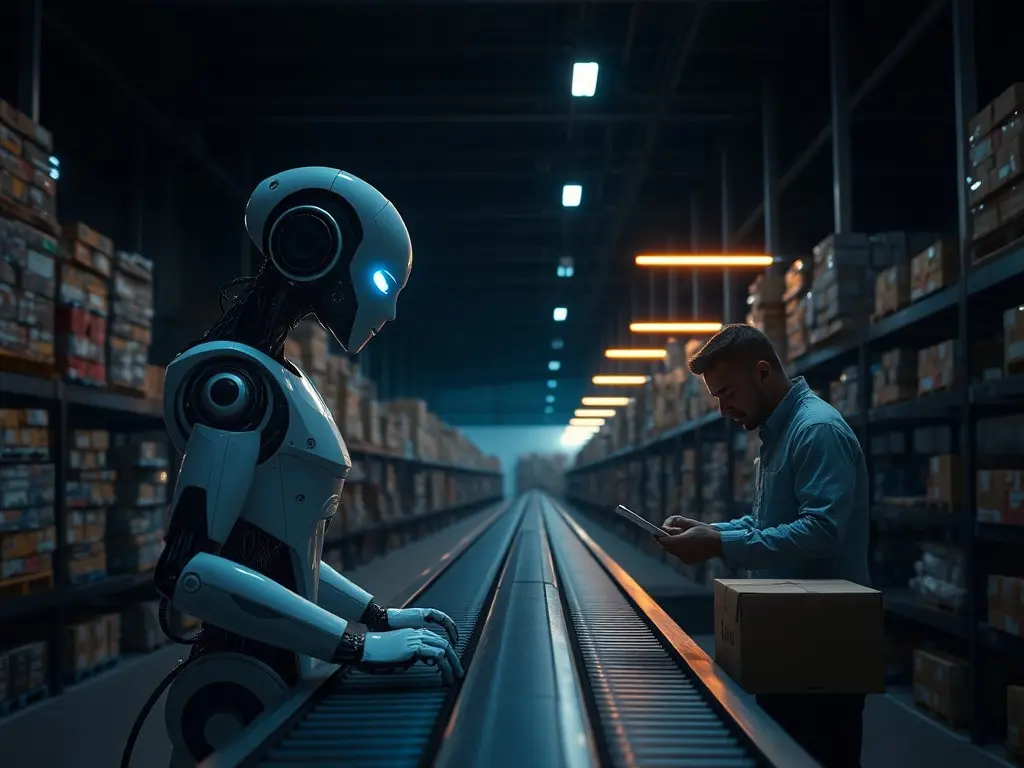
Figure AI’s humanoid robot lost a 10-hour package-sorting contest against an intern, Aimé Gérard, who sorted 192 more packages despite taking mandatory breaks. The company’s livestream of robots operating continuously has attracted millions of views, though experts note accuracy issues remain before deployment in logistics centers.
Figure AI tested its humanoid robot against an intern in a 10-hour package-sorting challenge at its San Jose headquarters. The intern, Aimé Gérard, a visualization specialist, sorted 12,924 packages—192 more than the robot—despite taking breaks required by California labor law. Gérard averaged 2.79 seconds per package, while the robot averaged 2.83 seconds, though the humanoid briefly led after Gérard’s bathroom break. The contest followed a week-long livestream where Figure AI’s robots sorted packages around the clock, drawing over 3 million cumulative views on X. The robots, named Bob, Frank, and Gary by viewers, operated in shifts, with one sorting while others charged. The livestream, described as ‘robotic ASMR,’ continues as long as the robots function without failure. Figure AI founder Brett Adcock claimed on X that this was the last time a human would beat a humanoid in such a task. However, roboticist Ayanna Howard, dean of Ohio State University’s College of Engineering, noted accuracy flaws—such as incorrect package placement—prevent the technology from being ready for real-world logistics use. The company has previously demonstrated its robots performing tasks like making a bed, but Howard emphasized that fully autonomous humanoids in warehouses remain years away. Despite setbacks, Figure AI’s livestream has become a viral spectacle, with merchandise sales and widespread public engagement. Gérard reportedly developed blisters from the grueling work, highlighting the physical toll of the task. The experiment underscores both the progress and limitations of humanoid robotics in labor-intensive environments.
This content was automatically generated and/or translated by AI. It may contain inaccuracies. Please refer to the original sources for verification.