Fire is Transforming the West’s Public Lands
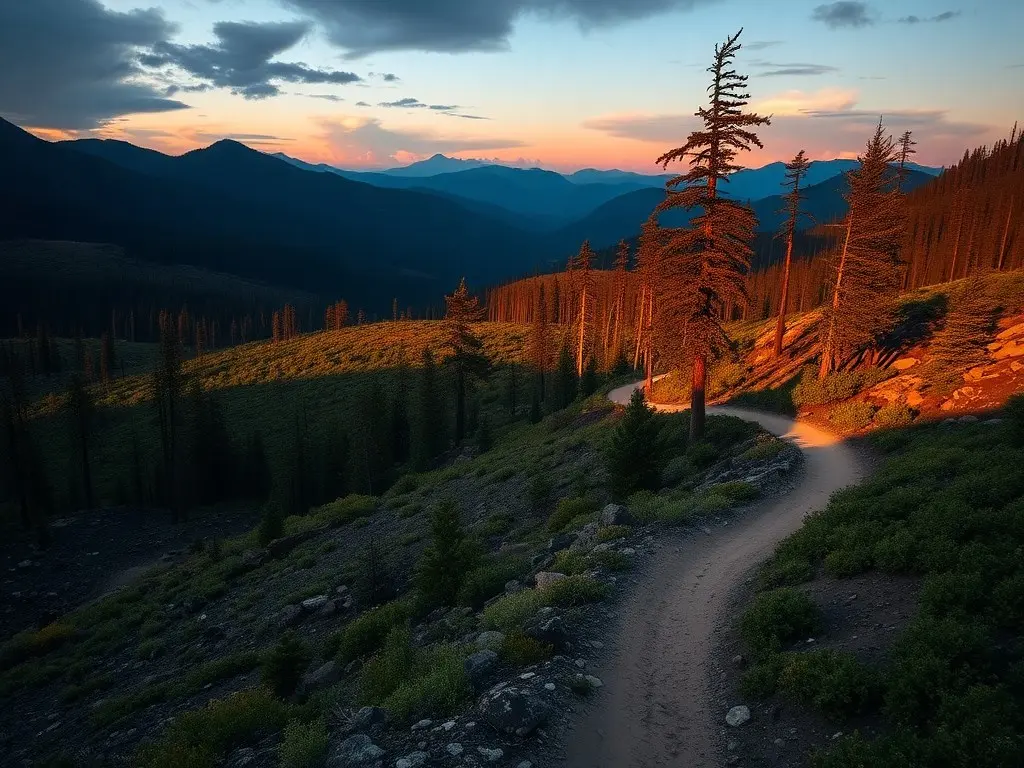
Research published in May 2026 shows Colorado’s 2020 Cameron Peak and East Troublesome wildfires caused lasting declines in visitation to burned areas, including Rocky Mountain National Park and nearby forests, despite the park still attracting 4.2 million visitors in 2024. A study using digital traces like AllTrails logs and eBird sightings found that fire severity, ecosystem type, and social values tied to landscapes determine how much recreation declines after wildfires, with broader economic and mental health impacts at stake.
Colorado’s two largest wildfires on record—the Cameron Peak and East Troublesome fires—burned hundreds of thousands of acres in 2020, devastating trails, campgrounds, and ecosystems near Rocky Mountain National Park and the Arapahoe and Roosevelt national forests. Over five years later, the scars remain visible, with blackened hillsides and closed trails where forests once stood. Research published in May 2026, led by a scientist studying nature’s benefits to people, found these fires caused significant and lasting declines in visitation to burned sites, though Rocky Mountain National Park still saw 4.2 million visitors in 2024, generating $862 million in local economic output. The study addressed a gap in understanding how wildfires affect recreation by analyzing digital traces—such as hikes logged on AllTrails, photos posted to Flickr, and bird sightings on eBird—to track visitation across hundreds of fires in Colorado and California. By comparing burned sites with similar unburned ones, the researchers isolated fire’s impact, revealing that declines in recreation depend on fire severity, ecosystem type, and social values tied to the landscape. Weather, broader trends, and pandemic effects were also factored into the analysis to ensure accuracy. Results showed that fire alone does not drive people away; instead, a combination of fire severity, the burned ecosystem, and the cultural or spiritual significance of the area determines visitation drops. The findings highlight how accelerating wildfires are reshaping public lands, with implications for economic activity, mental health, and community ties to these landscapes. Despite the challenges, the study underscores the resilience of places like Rocky Mountain National Park, which remains a major draw for outdoor recreation nationwide. Public lands contribute nearly $700 billion annually to the U.S. economy through recreation, while also providing mental health benefits and cultural connections. However, the study warns that as wildfires grow more frequent and intense, these values are at risk. The research suggests a need for better monitoring and adaptive management to protect both the natural and social benefits of public lands in the face of climate-driven changes.
This content was automatically generated and/or translated by AI. It may contain inaccuracies. Please refer to the original sources for verification.