First patient, first teacher: Why the cadaver joke has sparked an ethics debate
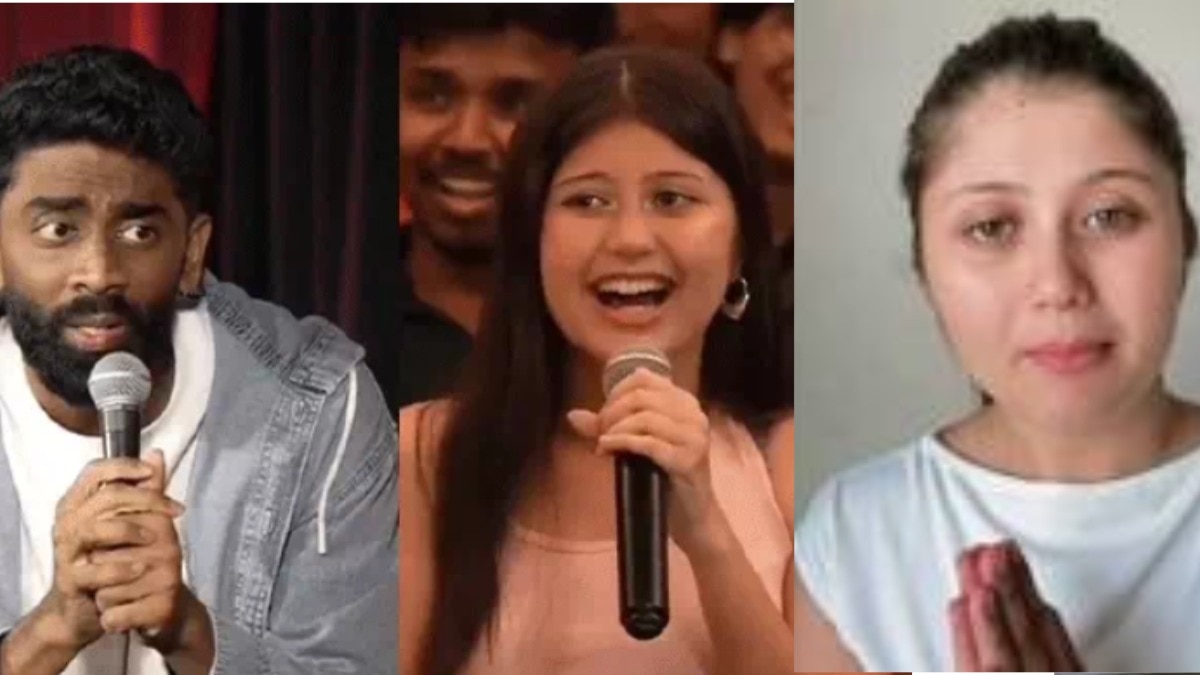
A medical student at Mumbai’s King Edward Memorial (KEM) Hospital made a joke about a male cadaver during a comedy show, sparking outrage and police action. The incident has reignited debates about respect for body donors and the impact of social media on medical professionalism in India’s anatomy labs.
A medical student at Mumbai’s King Edward Memorial (KEM) Hospital made insensitive remarks about a male cadaver during a stand-up comedy show in Gurugram, which went viral and triggered widespread backlash. Sejal Pawar, the student, joked about the cadaver’s private parts in front of comedian Pranit More, prompting the Mumbai police to file an FIR against her and the event organizers. The hospital has also launched an investigation, while Pawar issued a public apology. The controversy highlights India’s growing emphasis on medical ethics, particularly regarding cadaveric donations. Since 2019, the National Medical Commission (NMC) has mandated an ethics module called AETCOM (attitude, ethics, and communication) in the MBBS curriculum, requiring first-year students to take a cadaveric oath before dissection. This oath stresses empathy, bioethics, and respect for donors as the ‘first teachers.’ Doctors warn the incident could discourage families from donating bodies, undermining years of efforts to promote dignity in anatomy labs. Dr Vandana Mehta, head of anatomy at Vardhaman Mahavir Medical College, called the joke ‘insensitive and unacceptable,’ noting that cadaveric donations are acts of ‘supreme sacrifice.’ Dr Sheetal Joshi, a professor at Lady Hardinge Medical College, added that even the dead deserve respect from future healers. The case also reflects broader concerns about medical students’ behavior on social media. Physiology professor Dr Satendra Singh criticized viral videos showing students posing unprofessionally with cadavers, arguing that such actions damage public trust in the medical fraternity. The controversy underscores the need for stricter ethical boundaries in both academic and digital spaces.
This content was automatically generated and/or translated by AI. It may contain inaccuracies. Please refer to the original sources for verification.