Fish and mussels returned to these rivers after decades of cleanup. But new threats loom
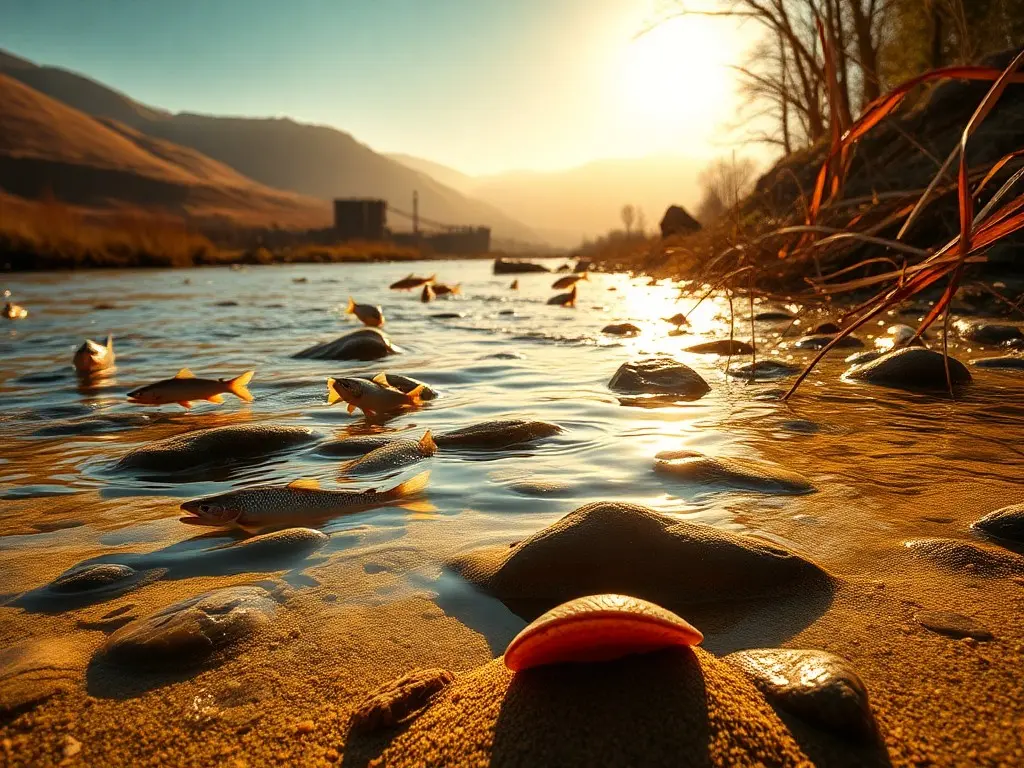
Decades of cleanup efforts under federal environmental laws have restored fish and mussel populations in the Spring River, which flows through Missouri, Kansas, and Oklahoma, though abandoned mining waste still poses lingering threats. The recovery reflects broader progress in U.S. waterways like the Illinois River and Chicago River, where species diversity has surged due to pollution controls and habitat restoration.
The Spring River, flowing from Missouri’s Ozarks into Kansas and Oklahoma’s Grand Lake, has seen a remarkable ecological recovery after a century of heavy metal pollution from lead and zinc mining in the Tri-State Mining District. By the mid-20th century, toxic runoff had devastated fish populations and nearly eliminated mussels, critical components of the river’s food web. Mussel beds support species like river otters, raccoons, and turtles while providing habitat for algae, insects, and small fish. Federal environmental laws enacted in the 1970s and 1980s, such as the Clean Water Act, drove cleanup efforts that gradually restored the Spring River. Today, rare fish and mussels coexist in the waterway, mirroring similar recoveries in other U.S. rivers like Illinois’ Illinois River, Texas’ Trinity River, and Indiana’s West Fork White River. These improvements resulted from pollution controls, habitat restoration, and species reintroductions, though challenges remain. The Spring River’s decline began in the mid-1800s when mining operations left behind millions of cubic yards of waste and abandoned shafts leaking acid drainage and toxic metals. Even after mining ended in the 1970s, rainfall triggered continued contamination, prompting bipartisan federal laws to address industrial pollution nationwide. The laws aimed to protect communities, habitats, and drinking water, reversing trends like the near-extinction of bald eagles and the Cuyahoga River’s repeated fires due to pollution. In Chicago, the recovery of the Chicago River illustrates broader progress: harmful chemicals, bacteria, and ammonia levels have dropped, allowing fish species to rebound. Research by Austin Happel of the Shedd Aquarium shows that surveys now detect 15–20 fish species where only three were found in the 1980s. The city’s first river swim in a century, with hundreds of participants, highlights renewed public engagement with cleaner waterways. Despite progress, threats persist. Abandoned mine waste in the Spring River continues to leak contaminants, requiring ongoing monitoring and remediation. While federal laws have restored fishable and swimmable conditions in many rivers, enforcement and habitat protection remain critical to sustaining recovery efforts nationwide.
This content was automatically generated and/or translated by AI. It may contain inaccuracies. Please refer to the original sources for verification.