Flood of opportunities in ecological preservation
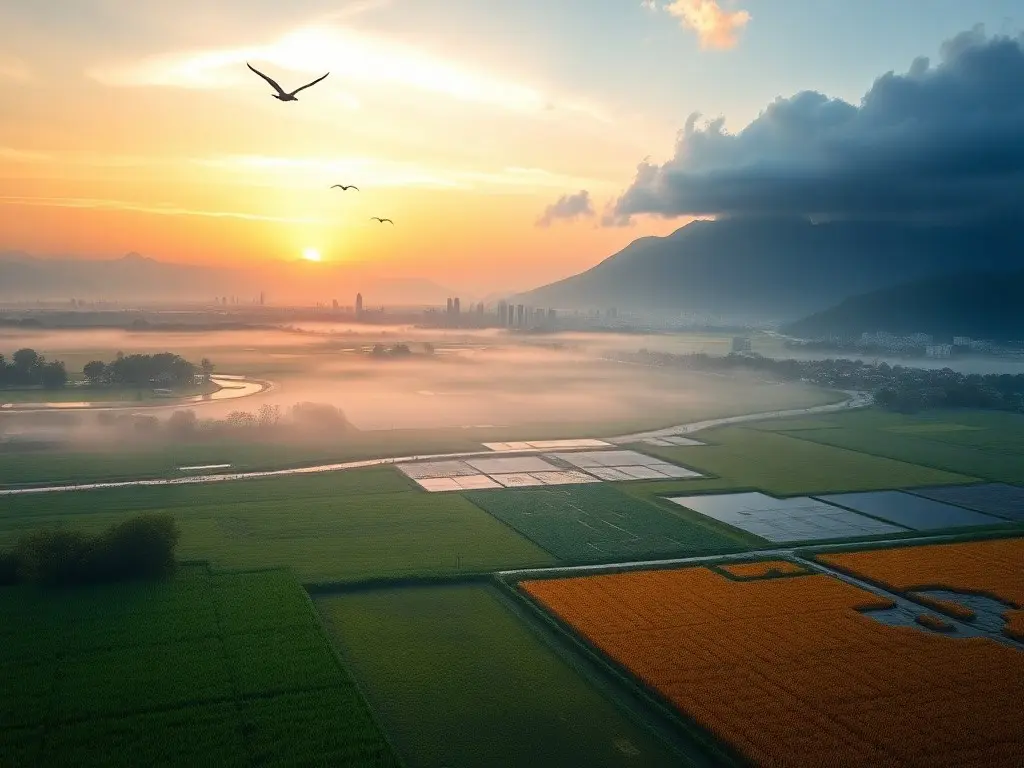
China’s concept of ecological civilization, formalized in its Constitution in 2018, is guiding climate adaptation efforts as shifting rainfall patterns—more rain in northern regions and less along the Yangtze—reshape its ecosystems. Increased rainfall and environmental policies have revived lakes like East Juyan and boosted agriculture in Heilongjiang, while cities like Wuhan and Shenzhen implement 'sponge city' strategies to manage climate risks.
China’s push for ecological civilization, a framework introduced in 2007 and enshrined in its Constitution in 2018, is reshaping how the country addresses climate change. The concept integrates environmental protection into economic and social development, offering a structured response to rapid climate shifts, such as altered rainfall patterns. Since the early 2000s, northern China—historically water-scarce—has seen increased rainfall, while areas along the Yangtze River face reduced precipitation, altering the ecological landscape. These changes are linked to global warming, which intensifies extreme weather like typhoons moving northward, increasing flood risks in inland regions. For example, northern and northwestern areas now experience severe storms and floods instead of droughts. However, these shifts also present opportunities: increased rainfall has revived water bodies like East Juyan Lake in Inner Mongolia, which reappeared after disappearing in the late 20th century. Wuliangsuhai Lake has stabilized, and Hongjiannao Lake, China’s largest desert freshwater lake, is recovering due to better water and land management. The ecological improvements are driving economic growth. In Heilongjiang and Jilin provinces, warmer temperatures and extended growing seasons have boosted maize and rice production. In the North China Plain, effective groundwater management has reduced aquifer depletion, supporting stable wheat and maize yields while enhancing food security and rural incomes. Recovering ecosystems also create new opportunities in fisheries, eco-tourism, and green industries, linking environmental progress to socioeconomic development. Urban areas are adapting through initiatives like 'sponge cities,' where Wuhan and Shenzhen implement infrastructure to absorb rainfall and reduce flood risks. These policies reflect China’s broader strategy of using ecological civilization to balance climate adaptation with economic and social progress, ensuring sustainable development amid a changing climate.
This content was automatically generated and/or translated by AI. It may contain inaccuracies. Please refer to the original sources for verification.