Florida House and Senate reach deal on state budget. Here’s what to know
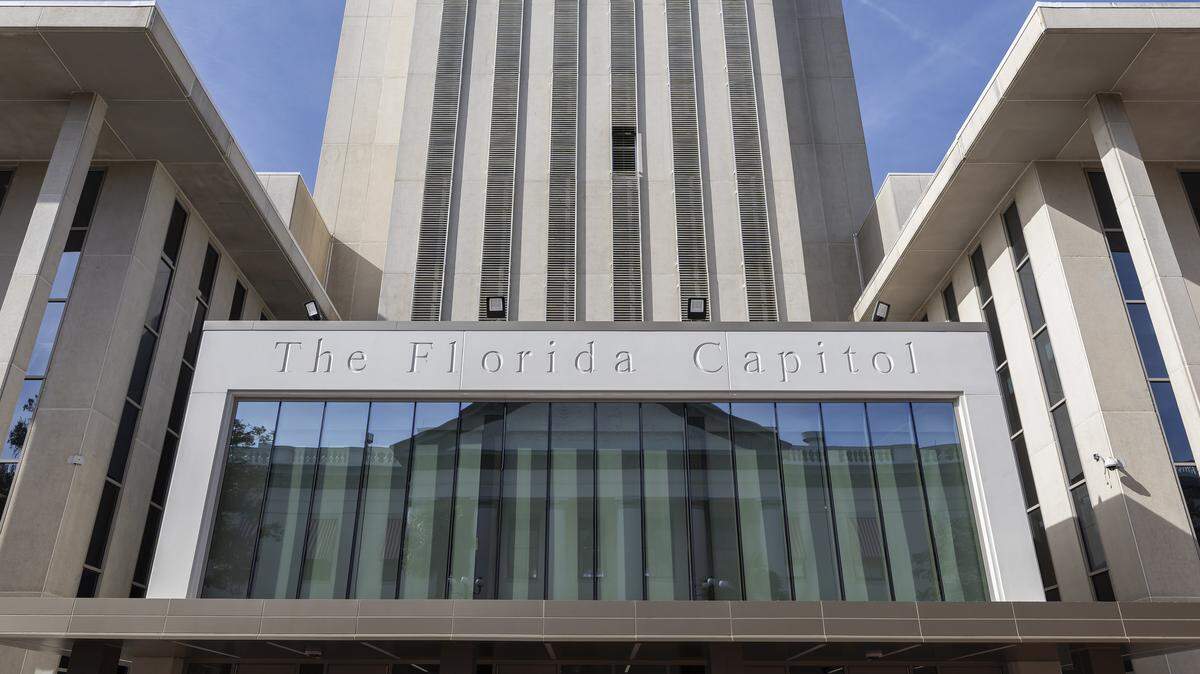
Florida’s House and Senate finalized a $114.3 billion state budget late Sunday after a special session, settling disputes over education funding, healthcare programs, and Everglades restoration projects. The agreement includes $4.5 billion for school vouchers, $20 million for cancer research, and $75 million to extend HIV medication assistance, with approval expected by Friday before Gov. Ron DeSantis." "article": "Florida lawmakers reached a final budget deal Sunday night, ending a special session required for the second consecutive year. The $114.3 billion spending plan for the fiscal year starting July 1 falls between the Senate’s preferred $115 billion and the House’s $113.6 billion proposal. House Speaker Daniel Perez pushed for deeper budget cuts to address projected future deficits, while Senate leaders prioritized higher spending. Education funding saw key compromises, including maintaining the $4.5 billion voucher program for private and homeschool tuition within the K-12 public school budget. Lawmakers also added protections against severe cuts to school districts facing declining enrollment, such as those in Union and Glades counties. A $7 million allocation for private school improvements was narrowed to rural counties under 10,000 people, with funds due by December. Additionally, Florida State University will use existing funds to acquire Tallahassee Memorial Healthcare, while the University of South Florida’s Manatee-Sarasota campus will transfer to New College of Florida. Healthcare negotiations included a $20 million allocation for the Cancer Innovation Fund, down from the Senate’s $30 million request, and a $75 million extension for the AIDS Drug Assistance Program, which had faced earlier cuts. A $50 million fund tied to a 2024 law was eliminated, though the Health Innovation Council retains current-year funds for medical technology adoption. The House’s proposal to study the impact of leaving the federal health exchange was rejected by the Senate. Environmental concerns were addressed after Gov. Ron DeSantis warned he would veto the budget without sufficient Everglades restoration funding. The final agreement includes provisions for critical restoration projects, though specifics were not detailed in the initial report. The budget now awaits final approval by both chambers before being sent to DeSantis for his signature.
Florida lawmakers reached a final budget deal Sunday night, ending a special session required for the second consecutive year. The $114.3 billion spending plan for the fiscal year starting July 1 falls between the Senate’s preferred $115 billion and the House’s $113.6 billion proposal. House Speaker Daniel Perez pushed for deeper budget cuts to address projected future deficits, while Senate leaders prioritized higher spending. Education funding saw key compromises, including maintaining the $4.5 billion voucher program for private and homeschool tuition within the K-12 public school budget. Lawmakers also added protections against severe cuts to school districts facing declining enrollment, such as those in Union and Glades counties. A $7 million allocation for private school improvements was narrowed to rural counties under 10,000 people, with funds due by December. Additionally, Florida State University will use existing funds to acquire Tallahassee Memorial Healthcare, while the University of South Florida’s Manatee-Sarasota campus will transfer to New College of Florida. Healthcare negotiations included a $20 million allocation for the Cancer Innovation Fund, down from the Senate’s $30 million request, and a $75 million extension for the AIDS Drug Assistance Program, which had faced earlier cuts. A $50 million fund tied to a 2024 law was eliminated, though the Health Innovation Council retains current-year funds for medical technology adoption. The House’s proposal to study the impact of leaving the federal health exchange was rejected by the Senate. Environmental concerns were addressed after Gov. Ron DeSantis warned he would veto the budget without sufficient Everglades restoration funding. The final agreement includes provisions for critical restoration projects, though specifics were not detailed in the initial report. The budget now awaits final approval by both chambers before being sent to DeSantis for his signature.
This content was automatically generated and/or translated by AI. It may contain inaccuracies. Please refer to the original sources for verification.