Florida Supreme Court adopts new AI courtroom rules amid rampant misuse
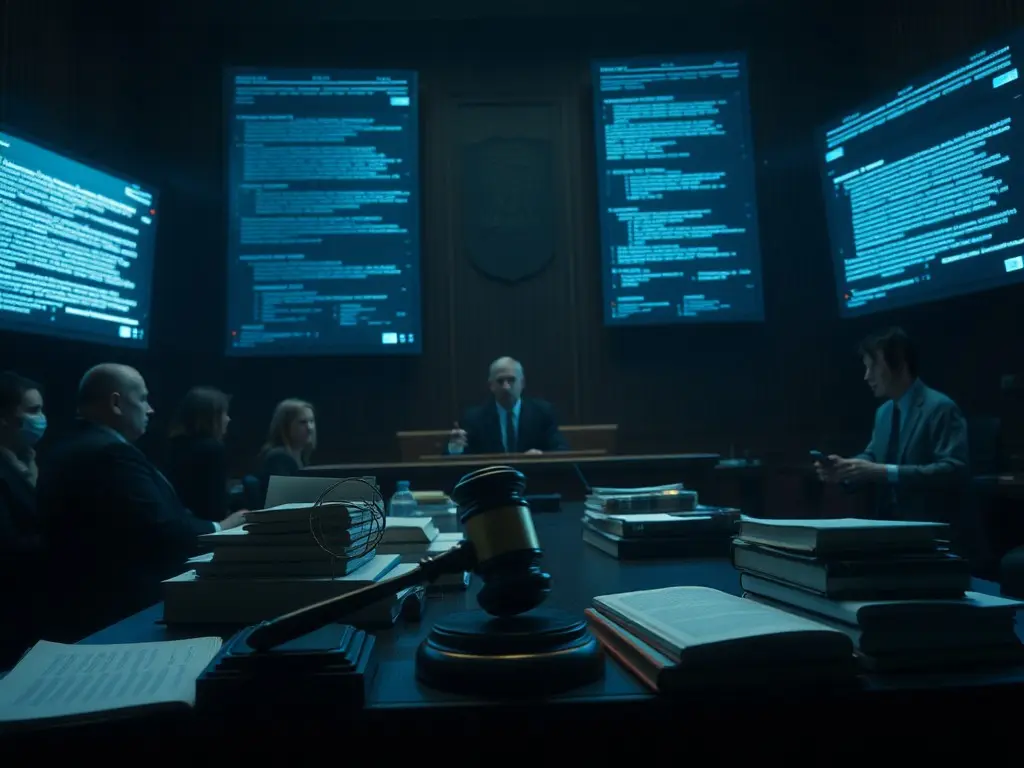
The Florida Supreme Court adopted new rules effective June 15 requiring attorneys and self-represented litigants to certify the accuracy of court filings, addressing rampant misuse of AI-generated fake evidence, fabricated facts, and nonexistent case law. Recent cases, including a Polk County attorney’s admission of using ChatGPT without verification, highlight the growing crisis of AI-generated misinformation in legal proceedings, with potential sanctions ranging from reprimands to suspension.
The Florida Supreme Court has implemented new rules mandating that attorneys and self-represented litigants certify the existence and accuracy of all evidence and citations submitted in court, effective June 15. The rules aim to combat widespread misuse of artificial intelligence in legal filings, including fake evidence, fabricated facts, and nonexistent case law. Violations could result in sanctions such as public reprimands, fines, or even suspension. Federal Judge William Matthewman, chief magistrate for the Southern District of Florida, has witnessed firsthand the escalating problem of AI misuse in his courtroom. He warned that the situation is likely to worsen before improving, despite the new guidelines. Matthewman emphasized the importance of verifying all court filings, stating that inaccuracies could lead to serious consequences. Paul Figueroa, a criminal defense attorney in Tampa, acknowledged the risks of AI tools, which can produce misleading or incorrect legal citations. While he believes the new rules are sufficient for now, he cautioned that AI is not foolproof and requires careful verification. Figueroa noted instances where AI-generated quotes appeared relevant but were later found to be fabricated. In Polk County, an attorney representing the Polk County School District was reprimanded after submitting a motion containing fabricated facts and nonexistent case law. The attorney admitted using ChatGPT as a drafting aid but failed to verify the information before filing. The school district is reviewing whether the attorney will remain eligible for contracted services, stating that accuracy and integrity in legal proceedings are non-negotiable. Investigative reporter Katie LaGrone previously exposed cases where AI-generated evidence led to wrongful arrests, including a Florida woman cleared of charges after a fake AI text was used against her. Conversely, a St. Petersburg woman was convicted after submitting an AI-generated photo of a supposed attacker, later admitting the fabrication. The Florida Supreme Court’s intervention follows growing concerns about AI’s role in distorting legal processes, with experts urging strict adherence to verification standards to maintain courtroom integrity.
This content was automatically generated and/or translated by AI. It may contain inaccuracies. Please refer to the original sources for verification.