For Kids With Disabilities, Early Intervention Boosts Academics Later
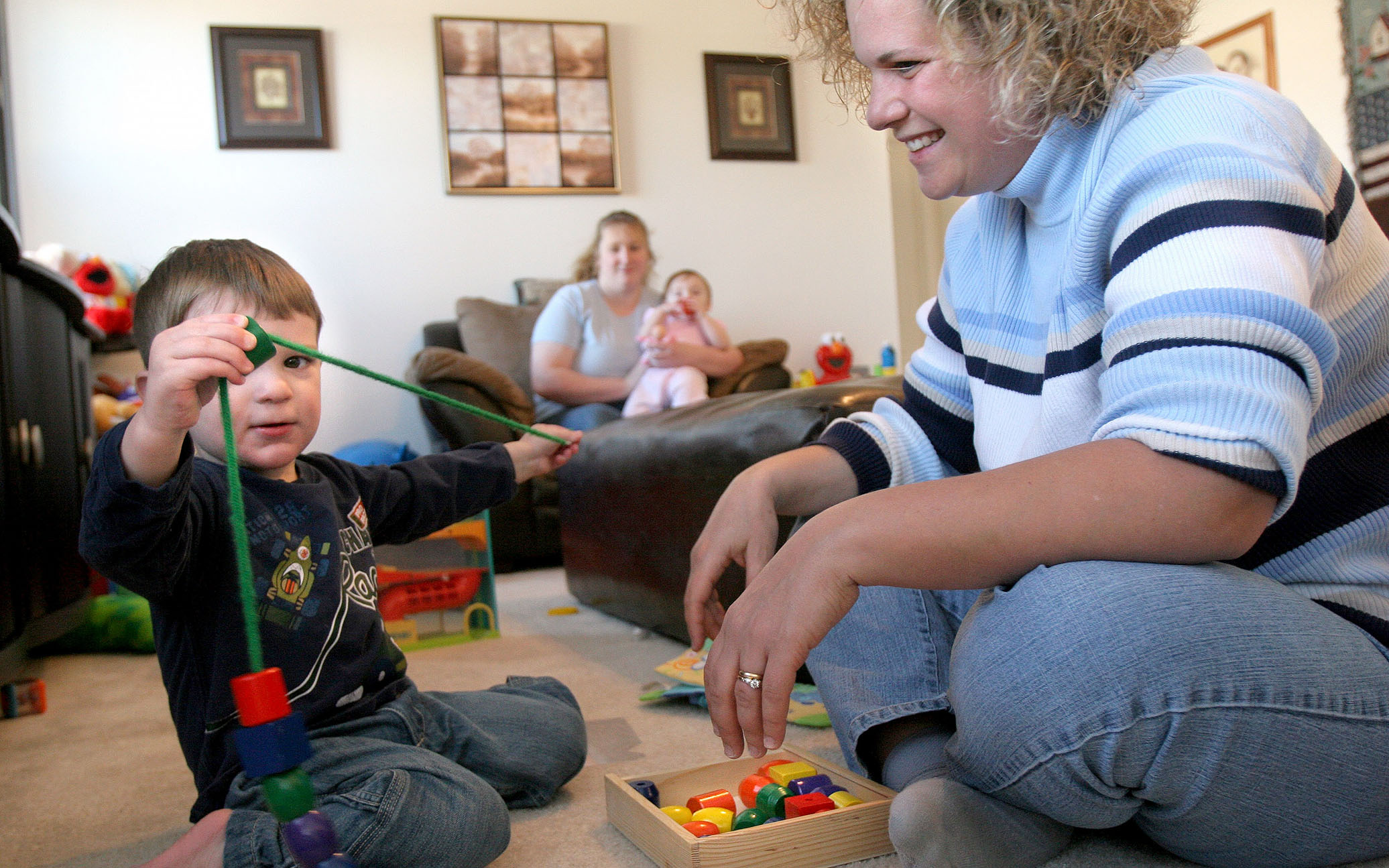
Children who receive early intervention services by age 3 score better in English language arts and are more likely to meet academic standards in math and English in third grade. The benefits were especially pronounced among Latino children and those from lower socioeconomic backgrounds.
A new study suggests that accessing early intervention services like speech, occupational, physical or behavioral therapy in the first years of life can lead to academic gains later on. Researchers analyzed public health and education records for over 214,000 kids born in New York City between 1994 and 1998. Children who received early intervention by age 3 were more likely to meet grade level standards in third grade for English language arts and math. Among children who had special education services at school, those who received early intervention were 28% more likely to meet grade level standards in English language arts and 17% more likely to meet that benchmark in math. The benefits were especially pronounced among Latino children and those from lower socioeconomic backgrounds. Early intervention programs have quantifiable academic benefits for children with moderate to severe developmental delays or disabilities.
This content was automatically generated and/or translated by AI. It may contain inaccuracies. Please refer to the original sources for verification.