Ford And Geely Deal Could Mark A Major Industry Shift
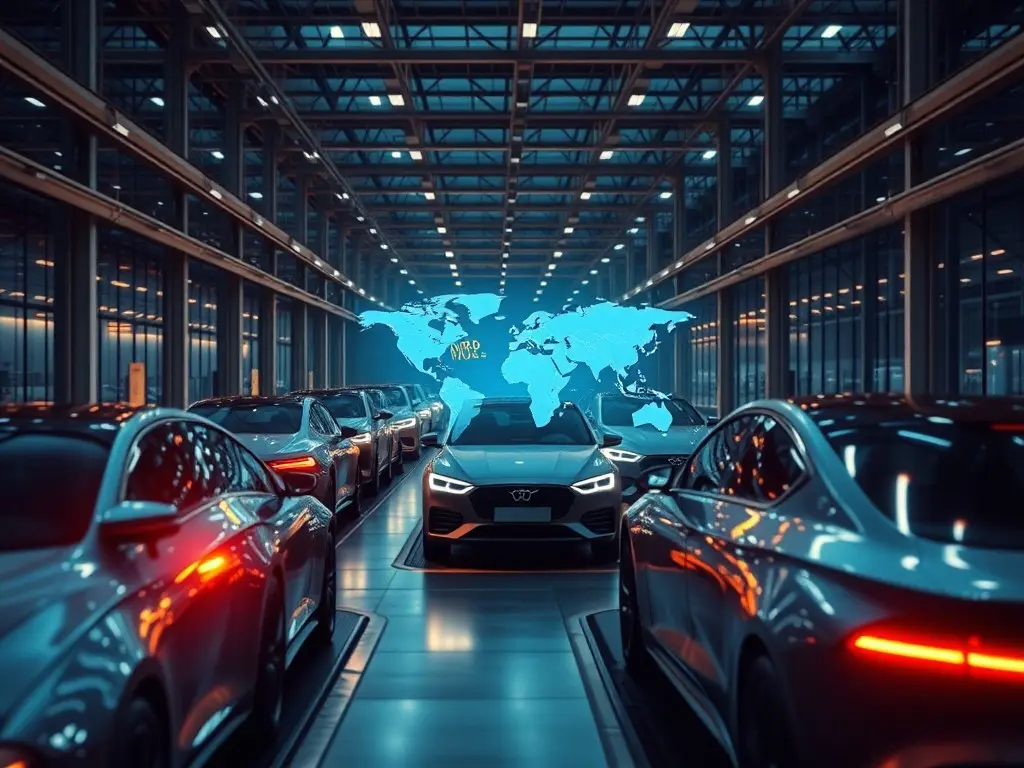
Ford is in advanced talks with Chinese automaker Geely to sell part of its Valencia plant, allowing Geely to produce its first EU-branded vehicles while avoiding 18.8% EU tariffs on Chinese EVs. The deal could also enable Ford to adopt Geely’s GEA platform for future European models, reducing development costs amid slowing EV demand and rising expenses.
Ford and Geely are negotiating a deal that could reshape Europe’s auto industry, with the American automaker potentially selling part of its Valencia plant to the Chinese company. The Body 3 hall, currently producing only the Ford Kuga, has excess capacity and could be used by Geely to manufacture its Galaxy EX2, a compact electric crossover sold as the Galaxy Xingyuan in China. This move would let Geely avoid EU tariffs on Chinese-made electric vehicles and better adapt its models to local demand. For Ford, the sale would provide much-needed funds as its European operations face declining sales and rising costs in electric vehicle development. Geely would gain its first production base in the EU, a key market with strict regulations and high tariffs. The first model likely to roll off the Valencia line is the Galaxy EX2, built on Geely’s modular GEA platform, which supports battery-electric and plug-in hybrid vehicles. Industry sources suggest Geely may also produce a future Ford model using the same platform, helping Ford cut costs for its upcoming European crossover, which will replace the Focus. Originally planned for Ford’s existing C2 platform, the new model could now leverage Geely’s technology, aligning with Ford’s broader strategy of partnering with Chinese firms to reduce expenses. Ford’s Valencia plant has been a cornerstone of its European operations, but underutilized capacity makes the sale strategically viable. The deal would mark a shift for Ford, which has previously relied on partnerships with Volkswagen and Renault for electric vehicle platforms. With Ford CEO Jim Farley acknowledging China’s lead in EV technology, collaboration with Geely could help bridge the gap while addressing financial pressures in Europe’s competitive auto market.
This content was automatically generated and/or translated by AI. It may contain inaccuracies. Please refer to the original sources for verification.