Foreign luxury firms see China sales surge
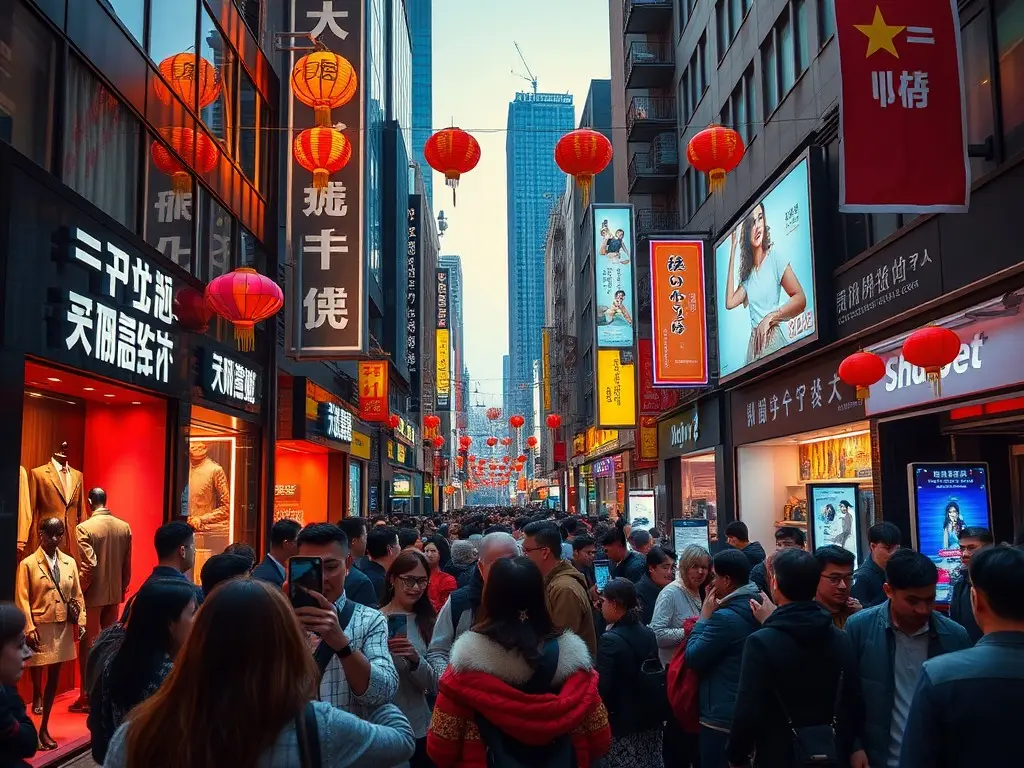
Global luxury brands like Tapestry Inc., Ralph Lauren, and Canada Goose Holdings reported surging sales in China, driven by Gen Z shoppers and localized marketing strategies. Tapestry’s China sales jumped 55% in the fiscal third quarter, while Ralph Lauren saw a 50% increase in Chinese demand, fueled by Chinese New Year spending and digital campaigns.
Global luxury brands are experiencing a resurgence in China, with companies reporting strong sales growth driven by younger consumers and localized strategies. Tapestry Inc., the parent company of Coach and Kate Spade New York, saw China sales rise 55% in its fiscal third quarter ending March 28, contributing to a 30% increase in Asia-Pacific revenue. The company attributed the growth to a focus on Gen Z shoppers—those born between 1997 and 2012—who accounted for over 35% of its 2.4 million new global customers. Coach handbags led the charge, with unit sales up more than 20% and average prices rising in low double digits, as the brand expands to over 90 Chinese cities and plans to enter nearly 200 more this year. The success stems from culturally relevant products and immersive marketing, such as Coach’s collaboration with Chinese streetwear brand Clot for a Chinese New Year campaign blending gaming, cafes, and exclusive merchandise. CEO Joanne Crevoiserat emphasized that localized engagement and emotional connections are key, noting initiatives like the ‘China Cool’ project to support young Chinese designers. The company aims to capture the spending power of 5 million Chinese consumers entering the market annually over the next decade. Ralph Lauren Corp also benefited from the rebound, reporting a 17% revenue increase in its fourth quarter, with Asia sales climbing 31% and China sales surging over 50%. Executives credited the growth to strong Chinese New Year demand, expanded retail presence in key cities, and localized digital marketing efforts. The trend highlights China’s growing appetite for premium brands that align with youth culture and self-expression. Analysts suggest the recovery reflects broader consumer confidence, as younger Chinese shoppers prioritize quality and brand experiences over price. Brands are adapting by blending global prestige with local relevance, from product design to digital engagement, ensuring long-term growth in the world’s largest luxury market.
This content was automatically generated and/or translated by AI. It may contain inaccuracies. Please refer to the original sources for verification.