Forget chips, real bottleneck in AI is power
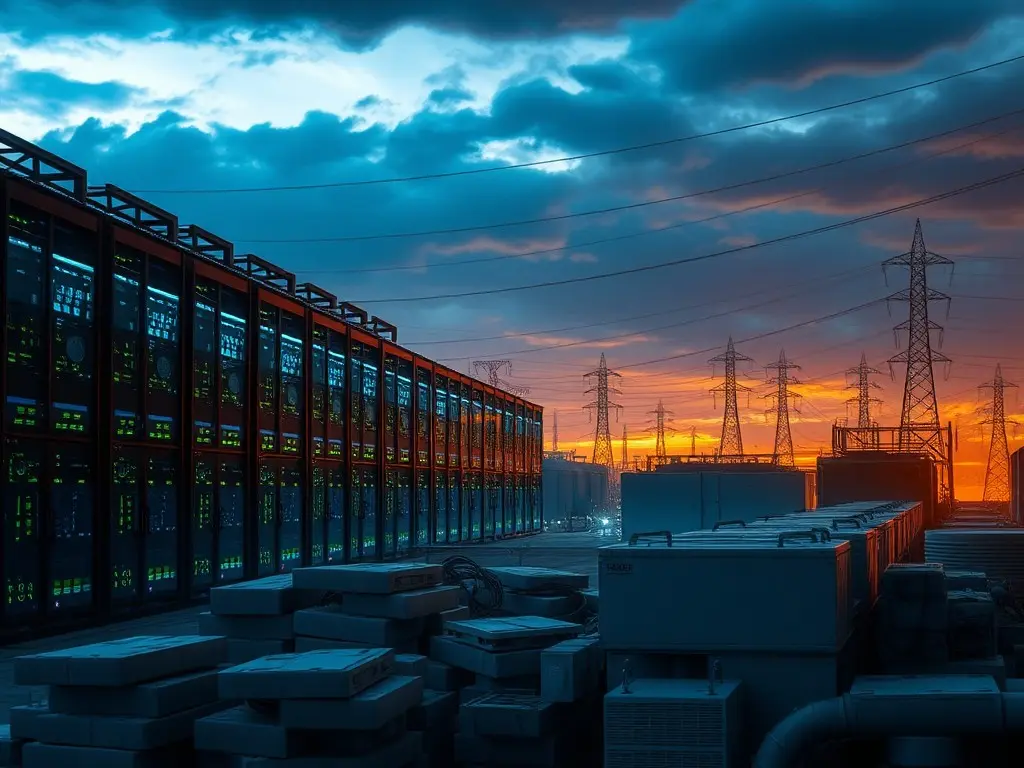
The rapid expansion of artificial intelligence is exposing electricity as the true bottleneck, with global demand surging due to data centers and AI systems. While the U.S. faces localized power grid challenges and rising costs, China is investing heavily in grid infrastructure to integrate computing power with energy systems strategically.
The AI boom is revealing electricity as the critical constraint in digital expansion, overshadowing debates over chips and algorithms. Global electricity demand is rising sharply due to data centers and AI systems, with the International Energy Agency warning of a new phase of rapid growth driven by digital infrastructure rather than traditional industry. In the U.S., Big Tech’s AI expansion is straining local power grids, forcing upgrades that increase costs for households and businesses. These infrastructure burdens contrast with the concentrated benefits enjoyed by tech firms, raising concerns about affordability and public resistance. China is taking a coordinated approach, treating computing infrastructure as part of broader energy planning. The 2026 Government Work Report highlights national coordination of computing power, integrating it with power generation, grids, and long-term energy security. By 2025, China’s total electricity consumption exceeded 10 trillion kilowatt-hours, with data services and high-tech manufacturing driving demand. The country’s 5 trillion yuan ($739 billion) investment in grid infrastructure during the 15th Five-Year Plan (2026–30) aims to enable large-scale energy allocation through ultra-high-voltage transmission. This shift could reshape computing geography, allowing data centers to relocate near energy-rich regions instead of urban hubs. Electricity is evolving from an industrial input to a strategic foundation for AI and digital expansion. The transition reflects a broader transformation where energy systems now underpin computing capacity, industrial upgrading, and technological competitiveness.
This content was automatically generated and/or translated by AI. It may contain inaccuracies. Please refer to the original sources for verification.