From Fertiliser Shortage to Heatwaves: Why India's Food Security Is Under Stress
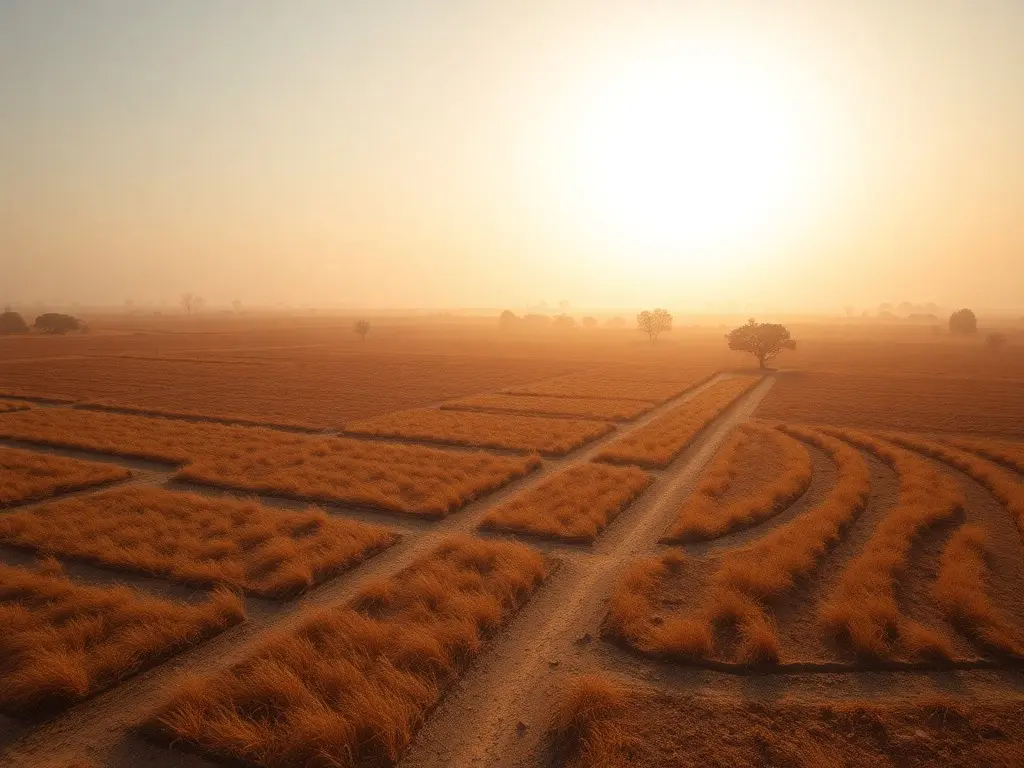
India’s food security faces growing threats from erratic weather, including El Niño conditions, prolonged heatwaves, and a below-normal monsoon forecast for 2026, while Prime Minister Narendra Modi urged citizens to cut fuel, gold, and fertilizer use to conserve foreign currency. Global supply chain disruptions and extreme weather events, such as dust storms in Uttar Pradesh, have further strained agriculture, exacerbating risks to harvests and farmer incomes.
India’s food security is under severe pressure as multiple climate-related challenges converge ahead of the 2026 Kharif season. Prime Minister Narendra Modi addressed citizens on 10 May, urging them to reduce fuel consumption, defer gold purchases, and cut edible oil use to alleviate foreign currency shortages. Specifically targeting agriculture, he called for a 50% reduction in chemical fertilizer use and a shift toward natural farming, framing it as a strategy to reduce import dependence and foreign exchange outflows. Erratic weather patterns, including El Niño conditions and western disturbances, are already affecting harvests, while prolonged heatwaves and wet-bulb conditions grip northern and central India. The India Meteorological Department (IMD) and Skymet Weather predict below-normal rainfall this year, potentially making it one of the driest monsoon seasons in eight years. Floods, cyclones, and pest attacks later in the year are expected to worsen vulnerabilities in India’s food system. Global supply chain disruptions have worsened shortages of LPG, petrochemicals, and fertilizers, while the West Asia war has exposed market and storage constraints, leading to crop losses during transit. States like Punjab, Maharashtra, Kerala, and Haryana—reliant on premium agricultural exports—face uncompensated losses due to domestic market limitations. On 14 May, dust storms in Uttar Pradesh killed over 100 people and destroyed harvested chickpea fields and mango orchards. Earlier in March-April, unseasonal rain and hailstorms flattened Rabi crops like wheat, mustard, and chickpea, compounding agricultural risks. The government’s push for natural farming, previously focused on sustainability, is now framed as an economic-security measure to cut subsidy burdens and foreign exchange outflows. However, extreme weather events and supply chain disruptions continue to strain India’s ability to maintain food security amid global and domestic challenges.
This content was automatically generated and/or translated by AI. It may contain inaccuracies. Please refer to the original sources for verification.