From Pune’s Regenerative Flatworm Discovery To Swedish Wound-Healing Breakthrough
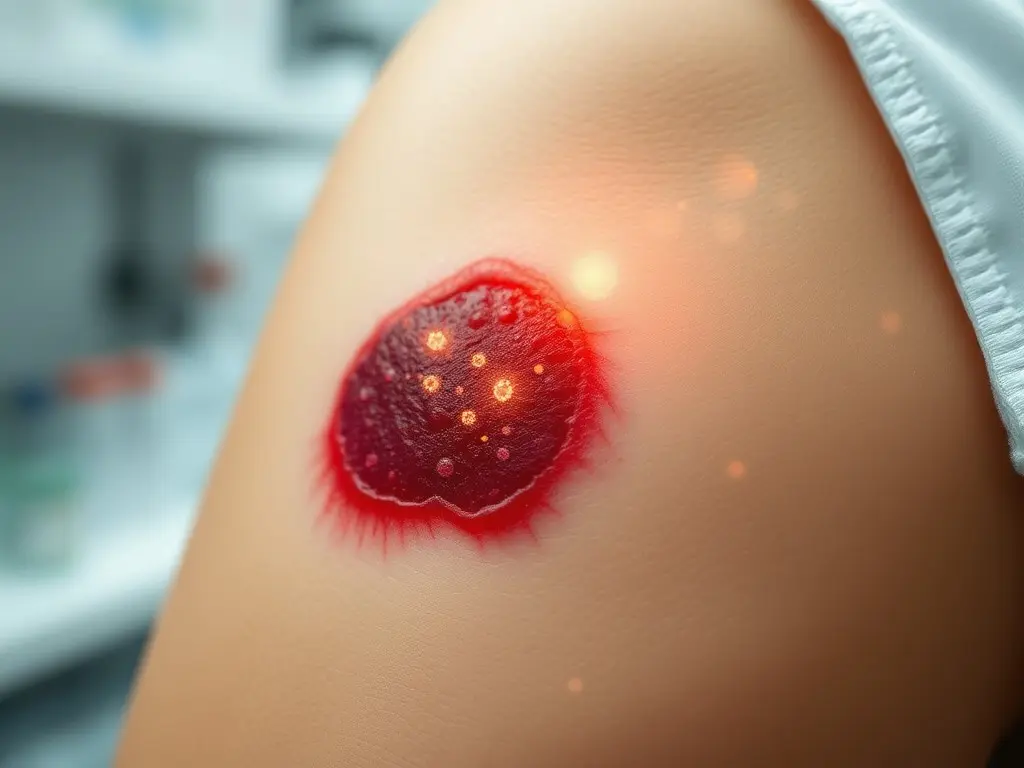
Swedish researchers have harnessed the healing potential of flatworms to accelerate wound repair in human skin models using exosomes, tiny signalling molecules released by the worms. The discovery builds on the identification of a new regenerative flatworm species, Dugesia punensis, in Pune's Pashan Lake by Indian researchers.
Researchers at Lund University, Sweden, have demonstrated that exosomes from flatworms can significantly speed up wound healing and tissue repair in laboratory-grown human skin. The Swedish team collected wild flatworms from ponds in Malmö and stimulated regenerative activity to release exosomes. The extracted exosomes were applied to human skin models, resulting in thicker skin and faster wound healing. Blood vessels damaged by burns also recovered more rapidly. The findings open new possibilities in regenerative medicine and skin therapeutics. The discovery is linked to the identification of a new flatworm species, Dugesia punensis, in Pune's Pashan Lake by Indian researchers.
This content was automatically generated and/or translated by AI. It may contain inaccuracies. Please refer to the original sources for verification.