From scientist to silk farmer: India's silk industry renewal
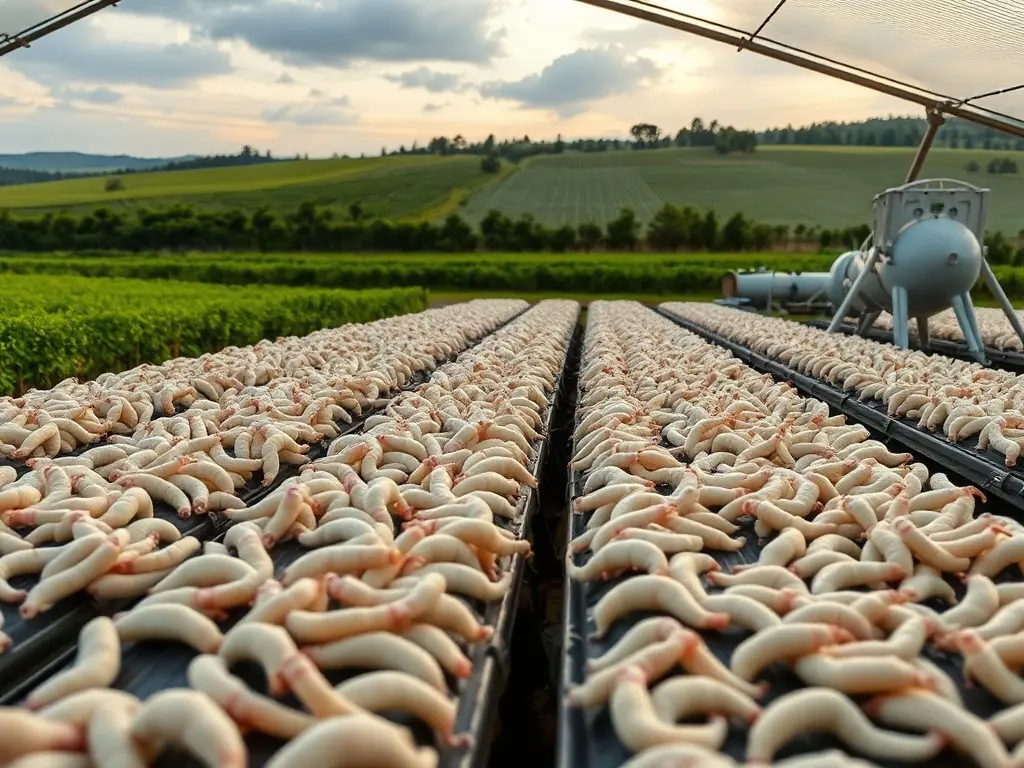
India's silk industry is undergoing a renewal driven by technology and biotechnology, with innovations such as AI-powered disease detection and genome editing for disease-resistant silkworms. The industry is seeing improved yields and new opportunities, such as using silkworm pupae as nutrient-dense food for poultry and fish.
India's silk industry is being transformed by technology and biotechnology. Dr. Jolapuram Umamaheswari, a scientist-turned-silk-farmer, has seen her yields improve significantly since adopting better hygiene and feeding practices. Asho Farms is using AI to detect diseases in silkworm larvae with 99% accuracy. The Central Silk Board is developing disease-resistant silkworm varieties through genome editing. The industry is also exploring new uses for by-products, such as using silkworm pupae as food for poultry and fish. Machines are now used to reel cocoons into raw silk yarn, producing 50-60kg per day.
This content was automatically generated and/or translated by AI. It may contain inaccuracies. Please refer to the original sources for verification.