From Tesla to BYD, Chinese-made EVs capture one-third of Korea's market
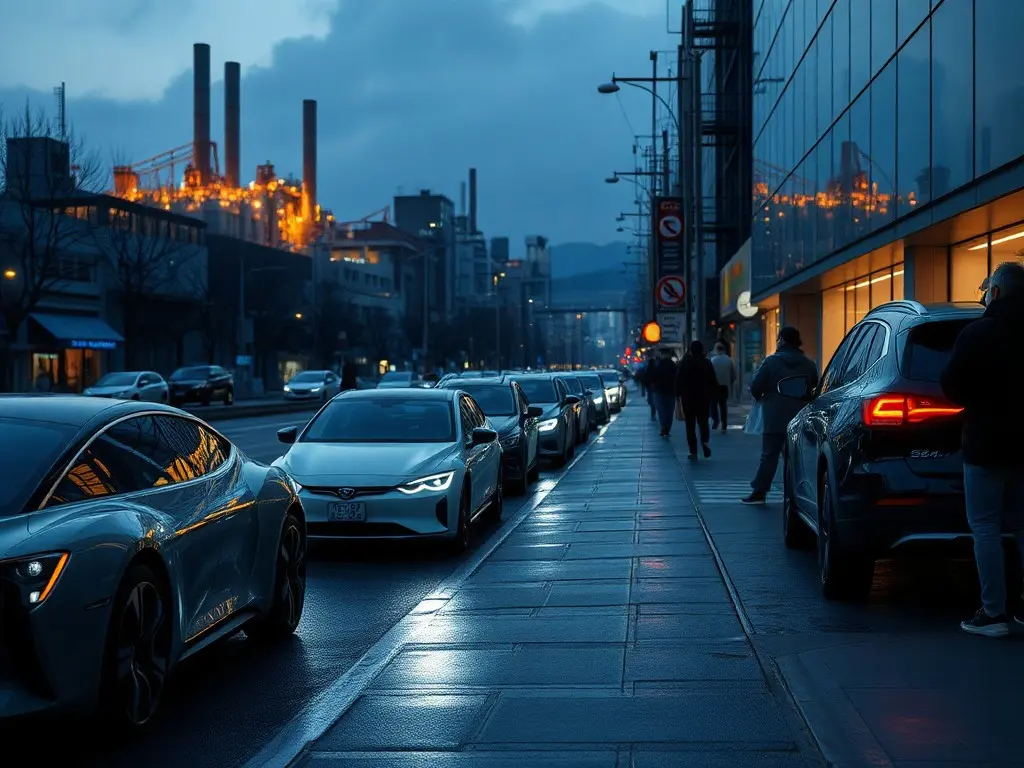
Chinese-made electric vehicles now account for 33.9% of South Korea’s EV market, up from 1.1% in 2021, with brands like Tesla and BYD driving growth through competitive pricing. South Korea’s domestic EV industry faces challenges due to lower tariffs and subsidies compared to competitors like the U.S. and EU, prompting calls for stronger incentives to protect local manufacturers.
Chinese electric vehicles (EVs) now dominate one-third of South Korea’s market, capturing 33.9% of new EV registrations in 2025, up sharply from just 1.1% in 2021, according to data from the Korea Automobile and Mobility Association. Korean-made EVs fell from 74.1% to 57.2% over the same period, while Chinese brands held 30.9% of EV sales in the first quarter of 2026. Tesla, produced in Shanghai, leads the surge, but BYD has seen explosive growth, selling 5,991 EVs in Korea between January and April 2026—ten times more than the same period last year. BYD’s models, including the Sealion 7 and Atto 3, undercut Korean competitors by several million won, while other Chinese brands like Zeekr and Xpeng prepare to enter the market. South Korea’s 8% tariff on Chinese EVs is far lower than in the U.S. (100% tariff) or EU (up to 45.3% surcharges), leaving local automakers vulnerable. Japan’s subsidies also favor domestic EVs, offering up to $7,900 for eligible models, while BYD receives only around $150. Industry experts warn that Korea’s current subsidies are insufficient to offset Chinese price advantages. The domestic EV sector is now pushing for a Korean version of the U.S. Inflation Reduction Act, with proposed tax deductions for locally produced EVs, batteries, and components. The Ministry of Trade, Industry and Resources plans to recommend EV inclusion in the upcoming tax reform package, which could boost demand and support the battery industry. Analysts say without stronger incentives, Korea risks losing market share to Chinese brands, which have already gained traction despite trade barriers in other regions.
This content was automatically generated and/or translated by AI. It may contain inaccuracies. Please refer to the original sources for verification.