From the 2026 Toyota RAV4 to the bZ4X, the world’s biggest brand commits to ‘re-organise’ its line-up as costs surge and Chinese rivals like BYD & Chery circle
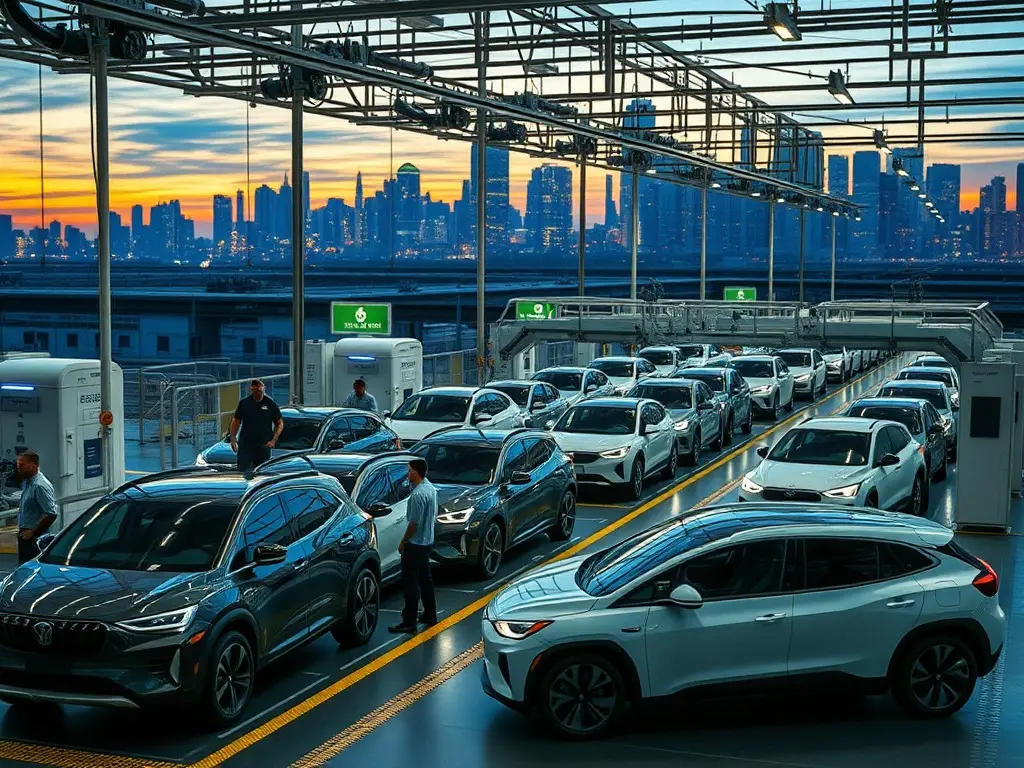
Toyota CEO Kenta Kon announced major restructuring plans to accelerate production and reduce delays for hybrid models like the 2026 RAV4, while also committing to expanding battery electric vehicle (BEV) offerings amid rising costs and competition from Chinese automakers like BYD and Chery. The company faces declining profits due to global economic challenges and U.S. tariffs, prompting a review of its model mix to simplify production and improve customer delivery reliability." "article": "Toyota’s CEO Kenta Kon outlined a restructuring plan to address declining profits and production delays in hybrid models, including the 2026 RAV4, which currently faces three-to-six-month wait times. Kon emphasized improving delivery reliability as a top priority, acknowledging that long waitlists for hybrids like the RAV4 have frustrated customers. The company’s Australian sales dropped 19.3% in March, reflecting broader challenges in transitioning between model generations and increasing complexity in its lineup. Toyota will accelerate its multi-pathway strategy, balancing hybrid and battery electric vehicles (BEVs) to meet customer demand. Kon stated that while Toyota remains committed to providing hybrid convenience, the company must review its model mix to reduce production complexity. This includes simplifying parts and specifications to improve efficiency, as the current expansion of models—including plug-in hybrids and BEVs—has increased manufacturing challenges. Despite global EV demand plateaus, Toyota will continue expanding BEV sales, including potential partnerships with Chinese manufacturers like GAC to produce affordable EVs such as the bZ3X. The company aims to leverage local production in China to address supply chain and emissions issues while competing with rivals like BYD and Chery. Kon stressed that Toyota’s strategy will adapt to customer preferences, ensuring high-quality BEVs remain a core offering. The restructuring follows financial pressures from the Middle East conflict and U.S. tariffs, which Kon cited as factors contributing to expected declines in operating income. Toyota’s Australian Vice President John Pappas noted that the new RAV4’s expanded variants—including 2WD, AWD, and plug-in hybrid options—have compounded delays. The company’s LandCruiser 300 and bZ4X EV models are seen as key products to counter competition from Kia and Hyundai in the Australian market. Toyota’s shift toward streamlining production and accelerating EV adoption reflects broader industry trends, though the company remains cautious about overcomplicating its lineup. Kon’s focus on reliability and customer satisfaction underscores Toyota’s commitment to maintaining its market leadership amid rising costs and evolving consumer demands.
Toyota’s CEO Kenta Kon outlined a restructuring plan to address declining profits and production delays in hybrid models, including the 2026 RAV4, which currently faces three-to-six-month wait times. Kon emphasized improving delivery reliability as a top priority, acknowledging that long waitlists for hybrids like the RAV4 have frustrated customers. The company’s Australian sales dropped 19.3% in March, reflecting broader challenges in transitioning between model generations and increasing complexity in its lineup. Toyota will accelerate its multi-pathway strategy, balancing hybrid and battery electric vehicles (BEVs) to meet customer demand. Kon stated that while Toyota remains committed to providing hybrid convenience, the company must review its model mix to reduce production complexity. This includes simplifying parts and specifications to improve efficiency, as the current expansion of models—including plug-in hybrids and BEVs—has increased manufacturing challenges. Despite global EV demand plateaus, Toyota will continue expanding BEV sales, including potential partnerships with Chinese manufacturers like GAC to produce affordable EVs such as the bZ3X. The company aims to leverage local production in China to address supply chain and emissions issues while competing with rivals like BYD and Chery. Kon stressed that Toyota’s strategy will adapt to customer preferences, ensuring high-quality BEVs remain a core offering. The restructuring follows financial pressures from the Middle East conflict and U.S. tariffs, which Kon cited as factors contributing to expected declines in operating income. Toyota’s Australian Vice President John Pappas noted that the new RAV4’s expanded variants—including 2WD, AWD, and plug-in hybrid options—have compounded delays. The company’s LandCruiser 300 and bZ4X EV models are seen as key products to counter competition from Kia and Hyundai in the Australian market. Toyota’s shift toward streamlining production and accelerating EV adoption reflects broader industry trends, though the company remains cautious about overcomplicating its lineup. Kon’s focus on reliability and customer satisfaction underscores Toyota’s commitment to maintaining its market leadership amid rising costs and evolving consumer demands.
This content was automatically generated and/or translated by AI. It may contain inaccuracies. Please refer to the original sources for verification.