Frozen for ages: Ancient DNA reveals a lost Ice Age world
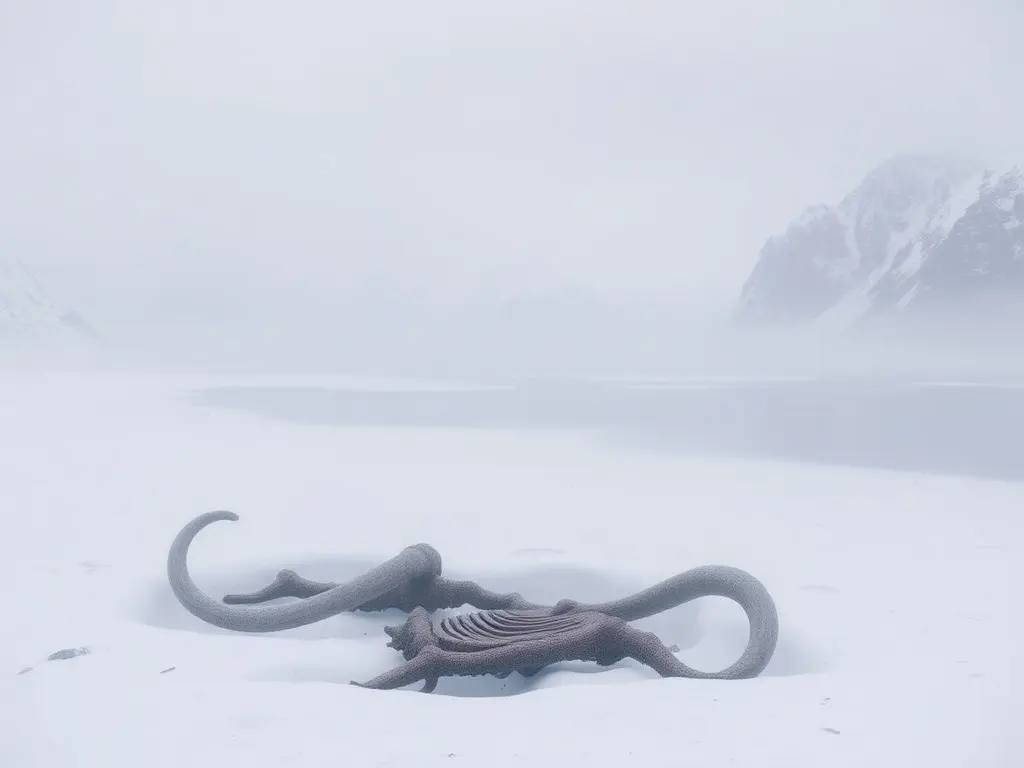
Scientists have discovered ancient DNA from mammoth molars in northeast Siberia, dating back 1.2 to 1.6 million years, and from permafrost in Greenland, dating back 2 million years. The findings reveal a lost Ice Age world and provide insights into the evolution and adaptation of ancient creatures.
Researchers have uncovered ancient DNA from mammoth molars buried in northeast Siberia's ice, dating back 1.2 to 1.6 million years. Using cutting-edge laboratory techniques, they sequenced the genome of a mammoth, nearly doubling the previous record for the oldest sequenced DNA. The permafrost preserved the teeth, slowing down chemical decomposition and preserving genetic material. In a separate finding, researchers discovered environmental DNA in Greenland's permafrost, dating back 2 million years, revealing a vanished world with mastodons, reindeer, and a lush boreal forest. The frozen lands of the Arctic are turning into a 'book' that keeps secrets hidden until the right tools are available to reveal them. The discoveries are helping researchers reconstruct ancient ecosystems and understand how creatures like mammoths evolved.
This content was automatically generated and/or translated by AI. It may contain inaccuracies. Please refer to the original sources for verification.