Fuel prices ‘almost vertical’ as Strait of Hormuz closure tests NZ resilience
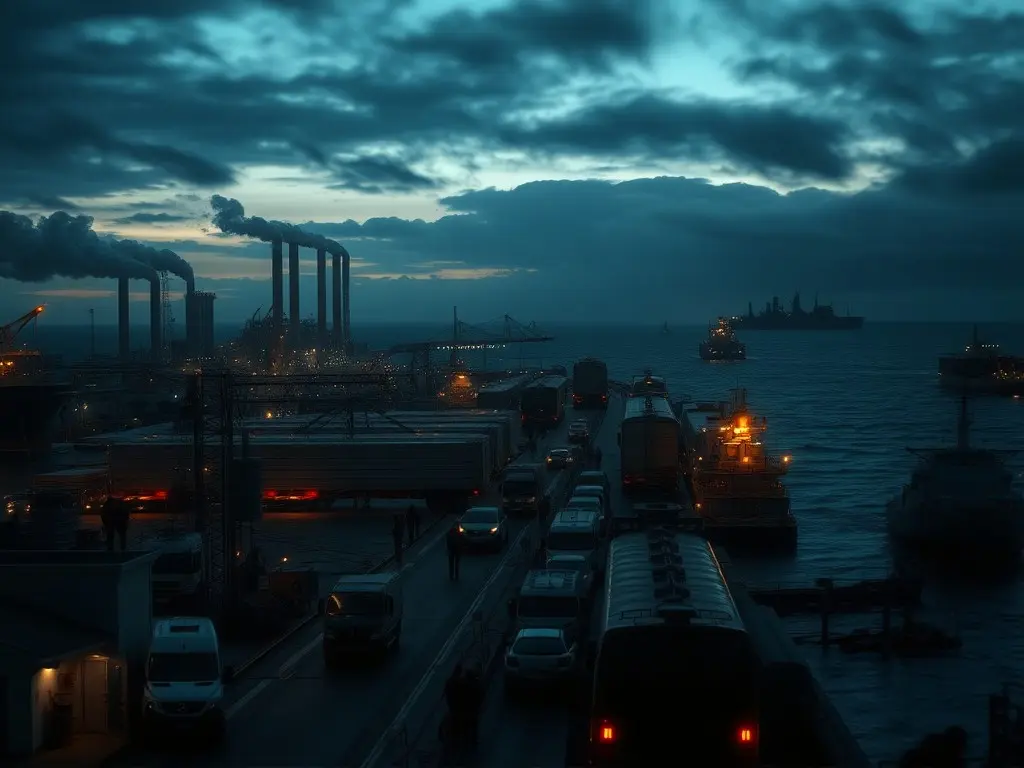
New Zealand’s largest fuel importer, Z Energy, is facing severe supply chain disruptions due to the Strait of Hormuz closure, causing fuel prices to surge sharply. The company’s stress test preparations and Singapore-based trading team are managing cargo schedules and port arrivals amid global oil market volatility, with Middle East crude shortages driving unprecedented price spikes.
New Zealand’s fuel supply chain is under extreme pressure after the Strait of Hormuz closure disrupted oil and gas flows, which account for roughly 20 percent of global trade. Z Energy, the country’s largest fuel importer, has activated contingency plans developed during a 2024 stress test simulating supply shocks, though the Strait’s closure—affecting twice as much crude as Russia’s 2022 invasion—has pushed prices to record highs described as ‘almost vertical.’ The conflict in Iran forced Z Energy’s supply team to reassess operations almost immediately, with leader Julian Hughes coordinating between New Zealand and Singapore-based teams to monitor refinery adjustments and cargo schedules. The company’s trading desk in Singapore secures diesel, petrol, and jet fuel from Asian refineries months in advance, managing shipments to ports like Marsden Point, Tauranga, and Wellington. Early disruptions in the spot market eased as refineries released more crude to stabilize prices, but Middle East-specific heavy crude shortages kept demand tight. Hughes noted the closure’s impact was more severe than the 2022 Ukraine war, which disrupted 10 percent of global crude. Asian refineries, optimized for Middle Eastern oil, struggled to pivot quickly, while Z Energy’s long-term contracts with refineries prevented total supply collapse. Prices surged as global markets rebalanced, with Hughes emphasizing the physical ripple effects across the supply chain—from cargo loading to terminal deliveries. The company’s 2024 stress test, though focused on North Asia disruptions, primed Z Energy to respond to maritime corridor closures. Hughes highlighted the ‘real sense of responsibility’ in managing New Zealand’s fuel system during crises, recalling past events like the Gulf War. While initial spot market volatility subsided, the Strait’s closure continues to test resilience, with prices remaining elevated due to limited alternatives for Middle East crude.
This content was automatically generated and/or translated by AI. It may contain inaccuracies. Please refer to the original sources for verification.