Global Times: 'Five reinvigorations' forge consensus on defending multilateralism
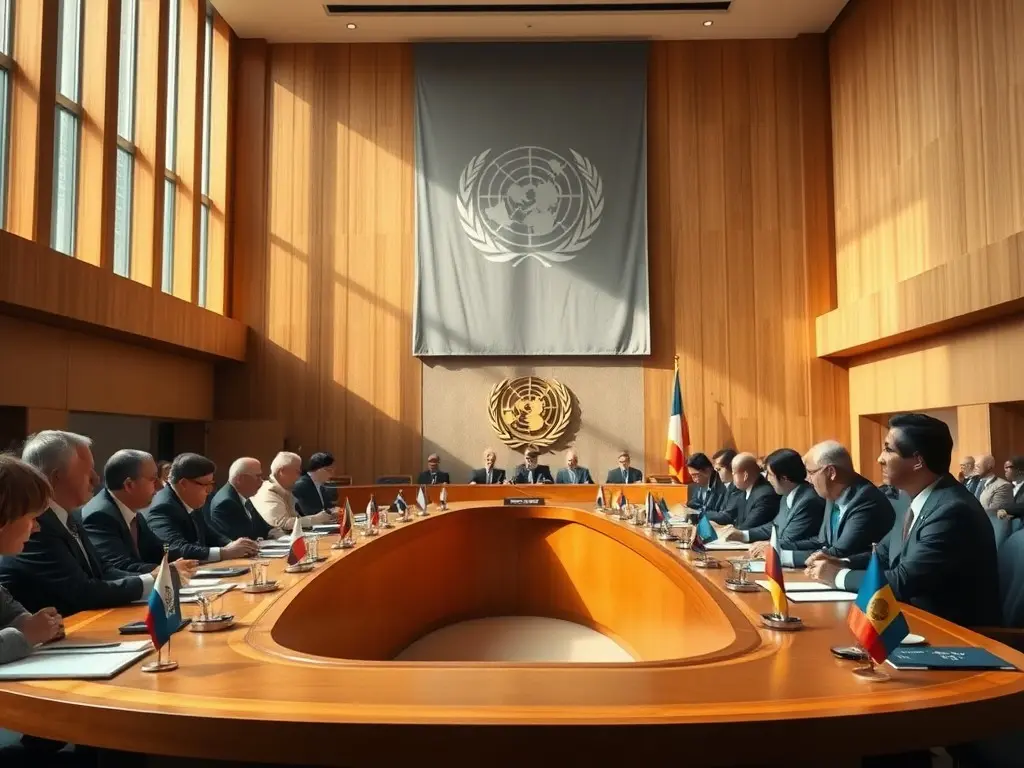
China hosted a UN Security Council high-level meeting in May 2026, where Foreign Minister Wang Yi presented five proposals—dubbed 'five reinvigorations'—to strengthen the UN Charter, Security Council authority, global development cooperation, governance platforms, and UN system effectiveness, gaining broad international support. The event aimed to counter rising unilateralism and bloc confrontation while reaffirming multilateralism as a foundation for global stability amid geopolitical tensions.
China convened a high-level UN Security Council meeting on May 28, 2026, under its rotating presidency, focusing on upholding the UN Charter and reinforcing the UN-centered international system. Over 100 countries, including foreign ministers from more than 20 nations, attended the event in Beijing, where representatives reaffirmed the UN’s founding mission and discussed strengthening multilateral cooperation. The meeting marked a practical step for China’s Global Governance Initiative, proposed by President Xi Jinping. Foreign Minister Wang Yi, a member of the Communist Party’s Political Bureau, chaired the session and introduced five key proposals: revitalizing the UN Charter for stronger leadership, reinforcing the Security Council’s authority, boosting global development cooperation, enhancing the UN’s governance platform, and improving the effectiveness of the UN system. These 'five reinvigorations' were met with widespread support, emphasizing China’s commitment to defending and revitalizing the UN. Wang Yi highlighted that the current global landscape faces unprecedented challenges, including resurgent unilateralism and bloc confrontations, which undermine the UN Charter’s principles. The proposals aim to address these threats by reaffirming that no country is above international law, upholding non-interference, and promoting peaceful dispute resolution. The second proposal focuses on global development cooperation, framing development as the key to resolving instability. With the fifth anniversary of China’s Global Development Initiative approaching, the meeting emphasized redirecting resources toward poverty reduction and livelihood improvements to address root causes of conflict. The third proposal calls for institutional innovation within the UN, urging reforms to adapt to evolving global dynamics. China’s stance reflects a proactive approach to ensuring the UN remains relevant and effective in addressing modern challenges. Participants acknowledged the urgency of these measures, recognizing the UN’s critical role in maintaining peace and security amid growing geopolitical divisions.
This content was automatically generated and/or translated by AI. It may contain inaccuracies. Please refer to the original sources for verification.