Global trade in goods shows resilience in early 2026 despite West Asia crisis: WTO Trade Barometer
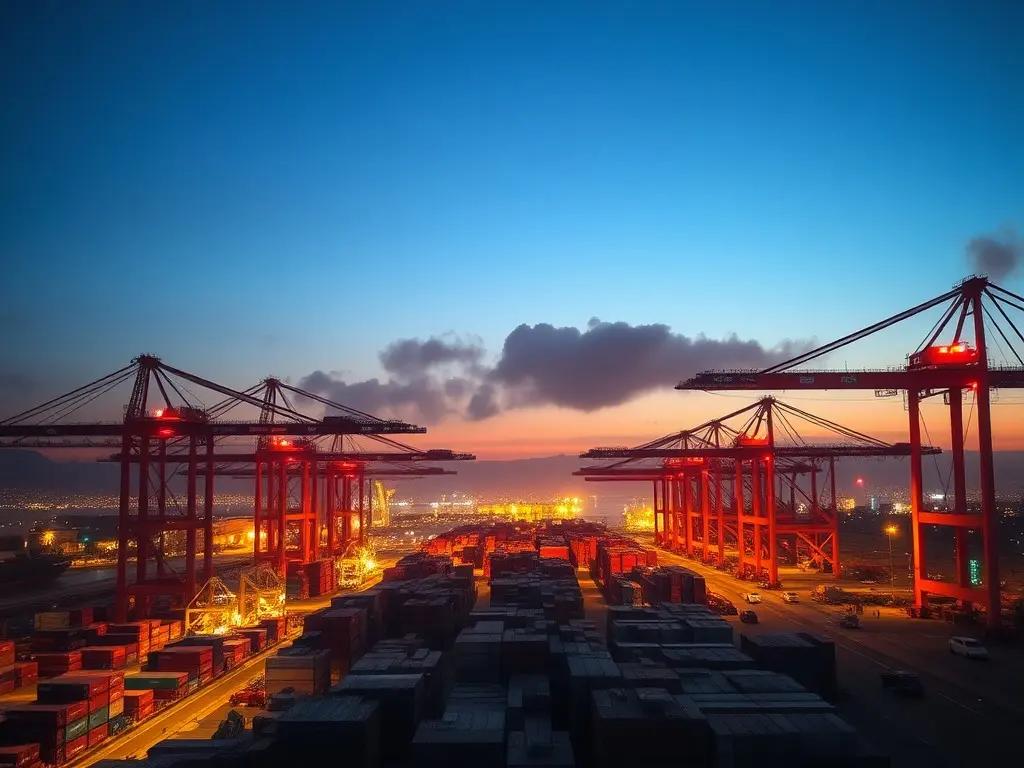
The World Trade Organization (WTO) reported that global trade in goods remained resilient in early 2026, with AI-related electronic components demand offsetting disruptions from the West Asia conflict, though growth momentum is slowing. The WTO Goods Trade Barometer index stood at 101.7, above the baseline of 100, but down from 102.3 in January, signaling potential deceleration in merchandise trade growth.
The World Trade Organization (WTO) highlighted resilience in global trade in early 2026, attributing it to surging demand for AI-related electronic components that partially countered disruptions caused by the West Asia conflict. The WTO’s Goods Trade Barometer index, released on June 5, 2026, currently stands at 101.7, indicating trade volumes remain above the long-term trend but have slightly declined from 102.3 in January. Key sectors like electronics components (105.5), air freight (102.2), container shipping (102.4), and export orders (100.5) continue to expand, though at a slower pace than before. Conversely, agricultural raw materials (98.9) and automotive products (99.8) remain below trend. The report suggests that while trade growth shows stability, momentum may be weakening. The WTO’s Goods Trade Barometer serves as a leading indicator, with values above 100 signaling above-trend trade volumes. Despite the West Asia conflict’s negative impact, AI investment demand has helped sustain trade levels. A March 19, 2026, WTO outlook report projected merchandise trade growth of 1.9% in 2026 under its baseline scenario, but this could drop to 1.4% if conflict-driven energy price spikes occur. AI investment could add 0.5 percentage points to either projection. The next WTO trade forecast is expected in October 2026, providing further clarity on global trade trends amid ongoing geopolitical and economic uncertainties.
This content was automatically generated and/or translated by AI. It may contain inaccuracies. Please refer to the original sources for verification.