Gold as the ultimate hedge: Zim’s gold ownership policy
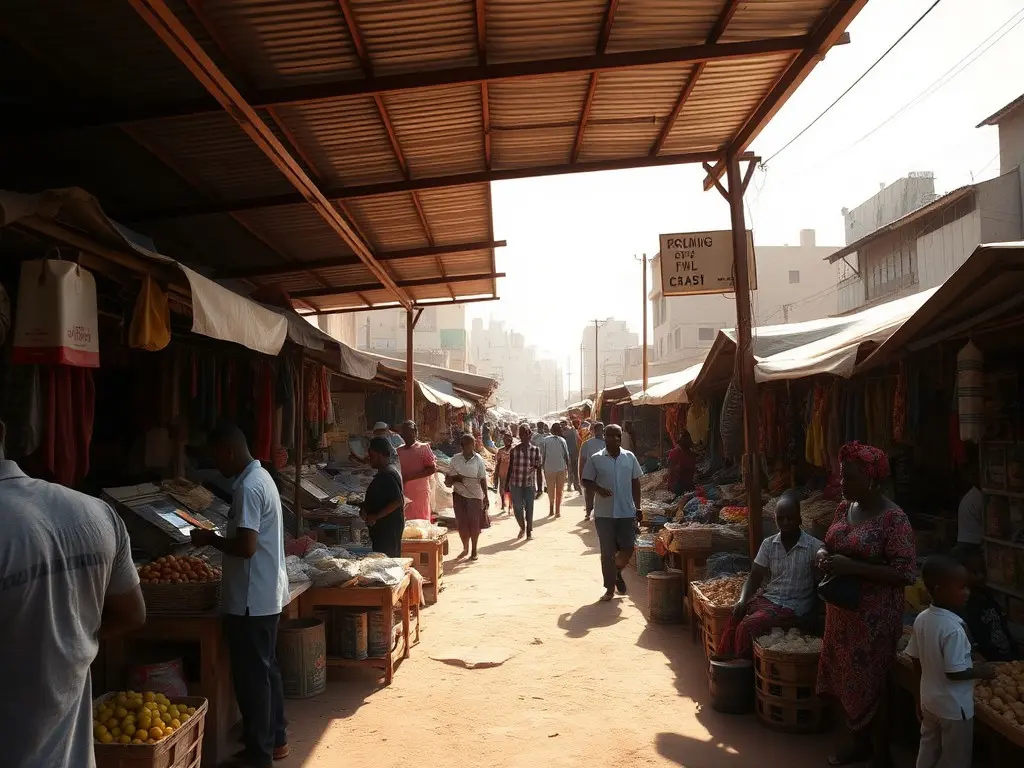
Zimbabwe’s economic instability has driven widespread reliance on gold as a hedge against inflation and currency volatility, with the mineral serving as both a household savings tool and a key export. The government now faces a policy dilemma over whether to allow unrestricted gold ownership or enforce tighter controls to prioritize state reserves and foreign currency inflows.
Gold has long been a trusted store of value, particularly in economies plagued by inflation and currency instability. In Zimbabwe, where high inflation and volatile exchange rates have eroded confidence in traditional savings, gold has become essential for households and businesses seeking to preserve wealth. The country is one of Africa’s top gold producers, with the mineral driving export earnings and shaping monetary policy. The debate centers on whether citizens should retain the right to own gold freely or if stricter regulations should be imposed to bolster national reserves and foreign currency reserves. Gold’s appeal lies in its durability, divisibility, scarcity, and universal acceptance, making it a reliable hedge against economic shocks. Unlike paper currencies, its value is rooted in physical properties rather than policy credibility, reinforcing its role in crises. For many Zimbabweans, gold exists in forms like coins, jewelry, and bullion, serving as informal savings instruments when bank deposits and cash lose value. The mineral also underpins the national economy, accounting for the majority of foreign currency earnings from mineral exports. However, the government must balance public access to gold with the need to manage reserves and stabilize the economy amid persistent financial instability.
This content was automatically generated and/or translated by AI. It may contain inaccuracies. Please refer to the original sources for verification.