Google's first Android XR smart glasses pair Gentle Monster and Warby Parker frames with Gemini in your ear
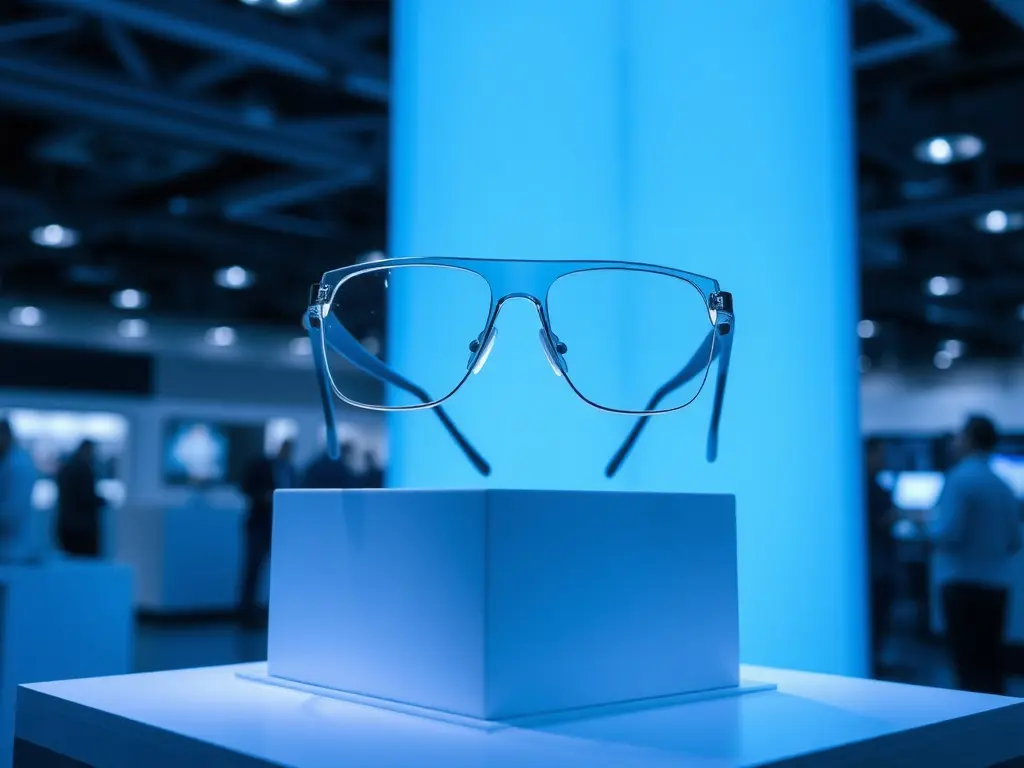
Google unveiled its first Android XR smart glasses at Google I/O 2026, featuring designs from Gentle Monster and Warby Parker, powered by Gemini AI without a display. The glasses use cameras and speakers for tasks like navigation, translation, and photo editing, with fall releases planned in select markets.
Google introduced its first Android XR smart glasses at Google I/O 2026, showcasing two designs: one from Gentle Monster with bold, sculptural frames and another from Warby Parker with sleek, discreet frames. The glasses run on Android XR, developed with Samsung and Qualcomm, and integrate Gemini AI to function as an assistant without a built-in display. Instead, they rely on front-mounted cameras and temple speakers, activating with voice commands like 'Hey Google' or a temple tap. The glasses prioritize hands-free utility, such as identifying buildings or decoding parking signs, providing real-time navigation with turn-by-turn directions, and translating menus or street signs in natural tones. Gemini can also manage tasks like ordering coffee via DoorDash while keeping the phone in a pocket. Photo editing is handled via Nano Banana, with features like adding funny hats to group shots, targeting a casual, social audience. Gentle Monster’s design emphasizes a statement look, while Warby Parker’s frames are minimalist and unobtrusive, catering to different user preferences. Both models launch this fall in select markets, though pricing, battery life, and availability details remain undisclosed. Google has hinted at future display-equipped glasses but provided no specific timeline. The absence of a screen marks a departure from Google Glass’s earlier approach, focusing instead on ambient, voice-driven interactions. The glasses pair with both Android and iOS devices, positioning them as a supplementary tool rather than a phone replacement. Background tasks and contextual awareness aim to streamline daily routines without requiring constant screen engagement.
This content was automatically generated and/or translated by AI. It may contain inaccuracies. Please refer to the original sources for verification.