Got Questions About AI Data Centres in Vancouver? Here Are Answers
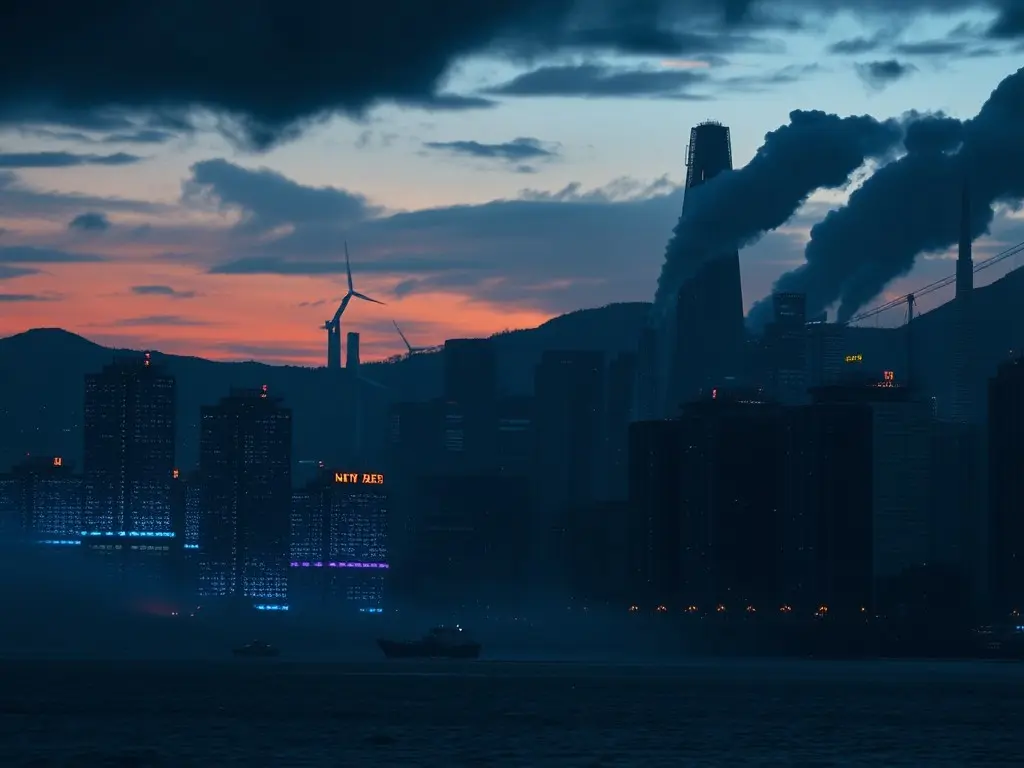
Residents in Vancouver and Kamloops oppose plans by Telus to build two new AI data centres and expand an existing one, citing environmental and energy concerns, while the federal government supports the project under a new AI infrastructure program. The facilities aim to bolster Canada’s AI capabilities and data sovereignty, but critics warn of increased energy demand and local impacts like pollution and higher utility costs.
Telus plans to build two new AI data centres in Vancouver—one at 150 W. Georgia St. and another at 111 E. 5th Ave.—along with expanding its existing facility in Kamloops. The project, announced on May 11 by federal Artificial Intelligence and Digital Innovation Minister Evan Solomon and Telus CEO Darren Entwistle, is part of a broader push to establish Canada’s AI infrastructure. Local residents, including North Vancouver resident Torin LaRocque, have raised concerns about environmental harm, energy consumption, and increased utility costs. Protests in Vancouver highlighted opposition, with critics noting that AI data centres require vast amounts of electricity and water, potentially straining local resources. BC Hydro has projected an additional 9,700 gigawatt hours of annual electricity demand by 2035, nearly doubling current output from the Site C dam. The federal government is backing the project through a new program aimed at advancing AI infrastructure in Canada. Solomon’s office stated that the initiative supports data sovereignty, ensuring Canadians control where sensitive data is stored and processed. Telus emphasized that its facilities will operate under Canadian law, enabling local organizations to train and deploy AI models domestically. The developer, Westbank, did not respond to requests for comment, leaving some details about the projects’ environmental and community impacts unclear. While the government frames the data centres as critical for national AI development, critics argue the benefits may not outweigh the risks to Vancouver’s residents and infrastructure.
This content was automatically generated and/or translated by AI. It may contain inaccuracies. Please refer to the original sources for verification.