Great Lakes clean-up yields major gains
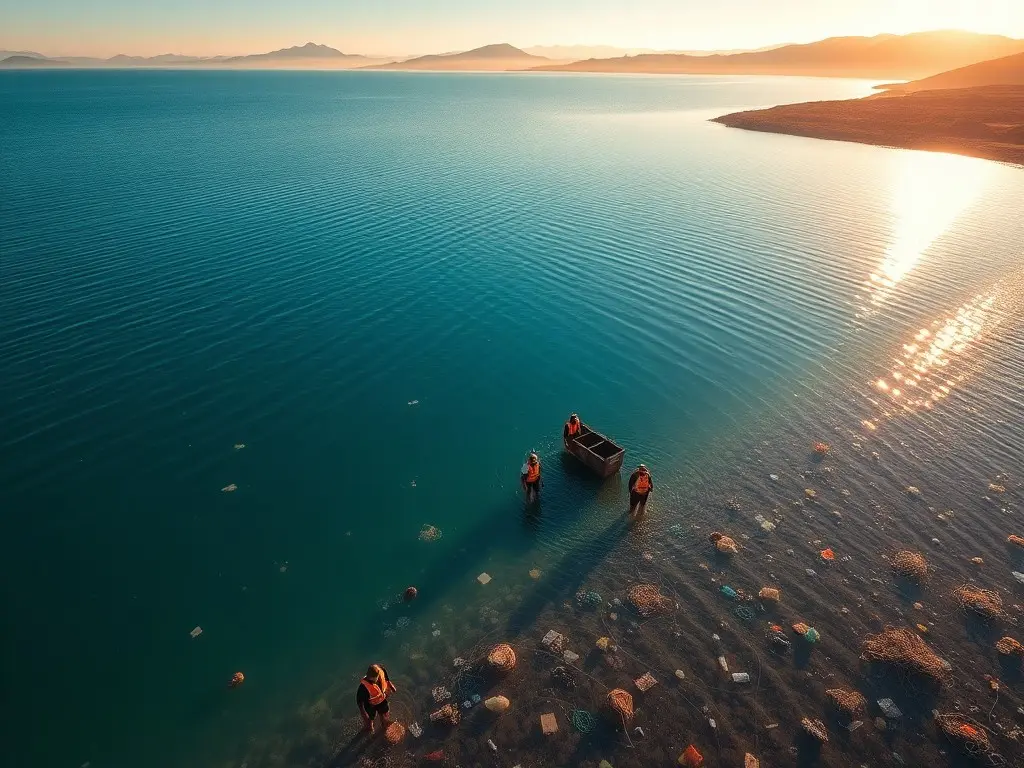
The Clean Shores, Great Lakes Campaign’s second phase, conducted between 2022 and 2024, involved 5,483 volunteers who collected 25,981 kg of waste, including 319,902 plastic items, from lakes Tanganyika, Victoria, and Nyasa. EMEDO’s Arthur Mugema highlighted plastic waste as the dominant pollutant and announced a Fisheries Climate Adaptation Plan Workshop to address climate impacts on fisheries in Bukoba District.
The second phase of the Clean Shores, Great Lakes Campaign achieved significant progress in reducing pollution across the African Great Lakes region. Between 2022 and 2024, the initiative involved 5,483 volunteers who removed 25,981 kg of waste from shorelines, covering lakes Tanganyika, Victoria, and Nyasa. A total of 431,328 waste items were recovered from 688,602 square meters, with plastic waste making up 74% of the total, including 89,766 plastic beverage bottles and 85,605 plastic bags. Arthur Mugema, EMEDO’s Programme Manager, presented the findings in Mwanza City, emphasizing the persistent challenge of plastic pollution. Other waste categories included clothing (11%), paper (4%), fishing gear (3%), and glass (3%). Mugema noted that structural waste management issues in lakeside communities contribute to the problem, requiring integrated solutions. To address climate impacts on fisheries, EMEDO partnered with WorldFish to host a workshop in Bukoba District from May 18 to 21. The event trained fishermen, fisheries leaders, and women fish processors on climate adaptation, sustainable practices, and ecological threats. Topics covered included climate change myths, gender roles in fishing, and lake conservation. The workshop aimed to equip participants with knowledge to mitigate ecological changes affecting fisheries. Mugema stressed that without systemic solutions, plastic pollution will continue to dominate shoreline waste in the region. The campaign’s success underscores growing community and stakeholder commitment to protecting the Great Lakes’ freshwater resources.
This content was automatically generated and/or translated by AI. It may contain inaccuracies. Please refer to the original sources for verification.