Great-power flux and regional challenges reshape India’s strategic calculus
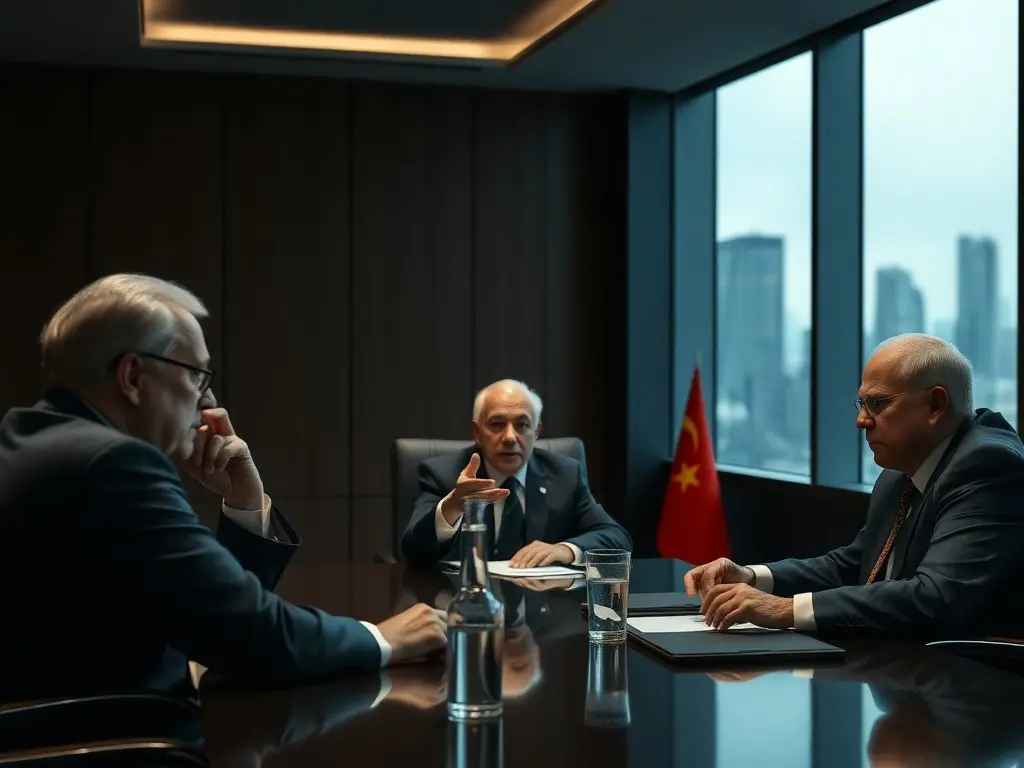
India is reassessing its strategic stance amid evolving US-China tensions and deepening Russia-China ties, particularly following Donald Trump’s May 2024 visit to China and Vladimir Putin’s earlier trip, which marked a shift in global power dynamics. The visits coincide with escalating conflicts in Ukraine, West Asia, and rising US-China competition over resources in Africa, Latin America, and the Belt and Road Initiative’s expansion in West Asia.
India is closely monitoring the shifting geopolitical landscape as US-China relations and Russia-China cooperation reshape global power structures. The recent visits by former US President Donald Trump (May 12–15) and Russian President Vladimir Putin (May 19–20) to China highlighted a new phase in international diplomacy, occurring against the backdrop of prolonged conflicts in Ukraine and West Asia, as well as tensions between Iran and the US. The US-China relationship has undergone significant strain since the 1999 NATO bombing of the Chinese embassy in Kosovo, leading to a prolonged rivalry over global influence. This rivalry now plays out across Asia, Africa, Latin America, and Eurasia, with both nations vying for control of strategic resources. For example, Chinese and US military presence in Sudan and Venezuela has intensified competition, while China’s Belt and Road Initiative in West Asia has drawn US opposition. The US has also accused China of indirectly supporting Iran’s conflicts, including the 2023 Israel war and recent US-Iran tensions, as Beijing seeks to secure energy reserves and control over the Strait of Hormuz. Trump’s visit to China in May 2024 marked a potential thaw in relations, with both sides agreeing to ‘build a constructive relationship of strategic stability on the basis of fairness and reciprocity.’ However, historical distrust and ongoing geopolitical disputes—such as US sanctions on Venezuela’s Nicolás Maduro—undermine long-term stability. Meanwhile, Russia-China ties have strengthened to counter US dominance, particularly as Moscow seeks energy and military support amid the Ukraine war. India, as an emerging global power, must navigate these shifts carefully. The US-China rivalry and Russia’s alignment with China present both opportunities and challenges for India’s foreign policy, particularly in balancing relations with Washington while maintaining strategic autonomy. The evolving dynamics in Asia and beyond will likely influence India’s approach to regional security and economic partnerships in the coming years.
This content was automatically generated and/or translated by AI. It may contain inaccuracies. Please refer to the original sources for verification.