Green breakthrough: Mouse eyes performed photosynthesis in a remarkable experiment that could transform eye care
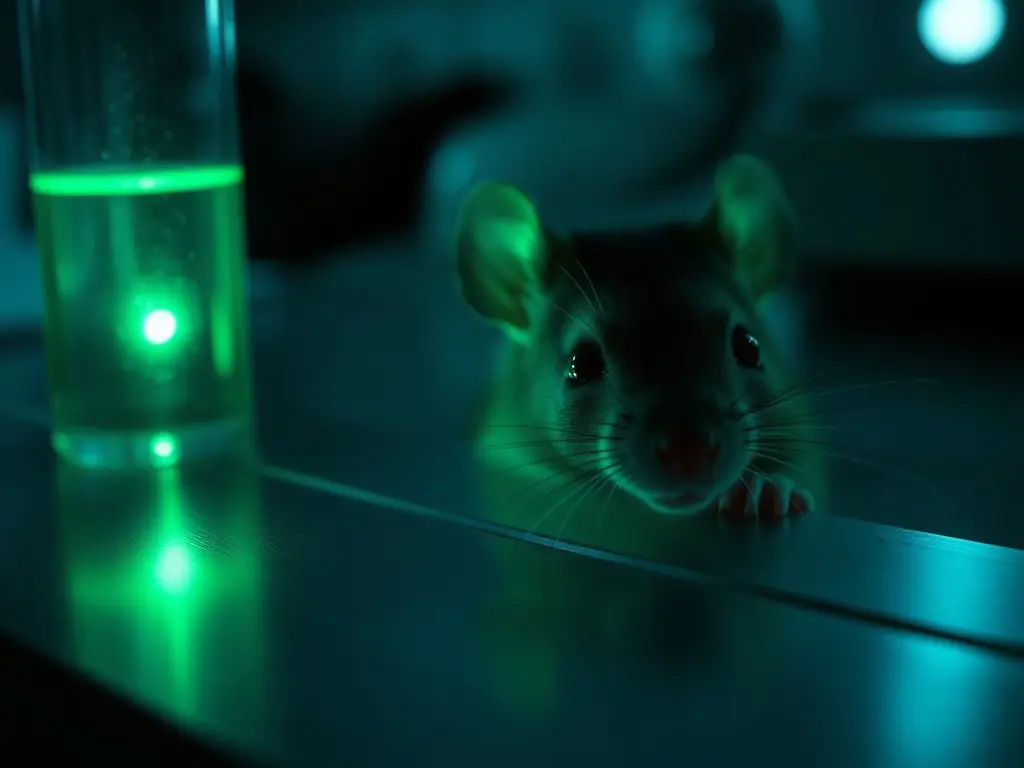
Researchers at the National University of Singapore developed eye drops containing spinach-derived photosynthetic components that reduced inflammation and corneal damage in mice with dry eye disease. The treatment, called LEAF, generated antioxidant molecules using ambient light and showed results comparable to existing commercial medications.
Scientists at the National University of Singapore have created a novel eye drop treatment that harnesses photosynthesis to combat dry eye disease. The therapy, named Light-Reaction Enriched Thylakoid NADPH-Foundry (LEAF), uses thylakoid grana extracted from spinach chloroplasts to produce antioxidant molecules when exposed to light. Unlike plants, the treatment does not generate sugars but instead produces NADPH, a compound that neutralizes harmful reactive oxygen species linked to oxidative stress in dry eye disease. The research team encapsulated the photosynthetic machinery into microscopic particles and administered it as eye drops to mice with induced dry eye disease. After five days, mice treated with LEAF exhibited significantly improved tear production and reduced corneal damage compared to those given saline. The findings, published in *Cell*, suggest the treatment could offer a new approach to managing eye disorders by leveraging natural biological processes. Dry eye disease affects millions globally, causing discomfort, inflammation, and potential corneal damage due to oxidative stress. The LEAF system targets this stress by generating NADPH, a molecule that helps cells repair damage and reduce inflammation. Results showed improvements comparable to existing commercial dry eye medications, indicating potential clinical relevance. The study draws inspiration from rare natural examples, such as sea slugs that retain algal chloroplasts for limited photosynthesis. Researchers adapted this concept to mammalian tissues, focusing on therapeutic benefits rather than creating photosynthetic animals. The treatment’s low chlorophyll concentration ensures transparency, preventing any visible green tint in the eyes. While further testing is needed, the experiment demonstrates how plant-derived biotechnology could revolutionize eye care. The approach could lead to innovative treatments that use ambient light and natural processes to protect and heal eye tissues.
This content was automatically generated and/or translated by AI. It may contain inaccuracies. Please refer to the original sources for verification.