Gujarat’s Banni grasslands: A heap of broken images, where the sun beats
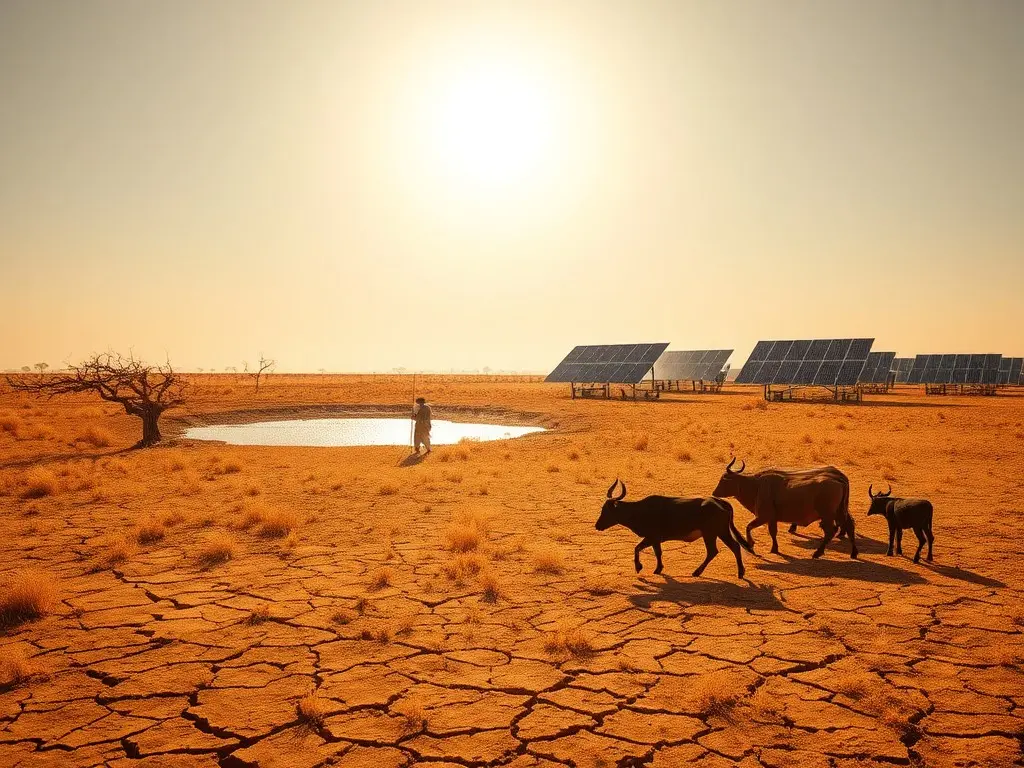
The Maldhari community in Gujarat’s Banni grasslands, including Merubai Husain Jat and her husband, opposes a proposed solar project by NTPC Renewable Energy Limited, fearing it will destroy their livelihoods and the fragile Chhari Dhand wetland, a Ramsar-protected site. Villagers allege the government misclassified the land as wasteland and warn the project will disrupt their pastoral way of life, including grazing, breeding, and cultural ties to the area.
The Maldhari community, a nomadic pastoral group in Gujarat’s Banni grasslands, is protesting against a planned solar project by NTPC Renewable Energy Limited that threatens their livelihoods. Merubai Husain Jat, a mother of seven who owns 50 camels, says the grasslands are everything to her people, and losing it would force them to abandon their herds and become daily wage laborers. The 2,600-square-kilometer grassland supports thousands of Maldharis across 16 villages, many of whom have settled in recent years. The solar project, covering 4,500 acres, sits near the Ramsar-designated Chhari Dhand wetland, a critical habitat for migratory birds and indigenous species. Villagers like Mutva Agakhan Alayar argue the land is not wasteland but the foundation of their survival, providing nutritious grass that ensures high-quality milk and breeding grounds for their livestock. They fear the project will disrupt their cultural and economic ties, including grazing areas, playgrounds, and graveyards. Conservationists have joined the opposition, highlighting the ecological risks to the fragile wetland. Locals claim government officials have downplayed the project’s impact on forest areas, with over 1,000 acres falling under eco-sensitive zones. Mutva Bhegmamd, a protest organizer, says Forest Department officials have remained silent, despite parts of the project encroaching on forest land. The community’s anger erupted on May 22, the International Day for Biological Diversity, with a day-long protest. Mutva Rafeeq, who owns 30 buffaloes, explained that the loss of Banni’s 70 grass varieties would reduce milk quality and force livestock sales. The Fulay villages alone house over 5,000 buffaloes and nearly as many goats and sheep, with locals warning numbers will plummet if the project proceeds. Officials insist the project spans agricultural land and non-forest areas, but villagers dispute this, insisting their land belongs to the community, not the government. The dispute centers on whether development will prioritize energy over livelihoods, with the Maldharis demanding recognition of their rights and the land’s ecological value.
This content was automatically generated and/or translated by AI. It may contain inaccuracies. Please refer to the original sources for verification.