Harvard caps A’s as selective colleges attack grade inflation
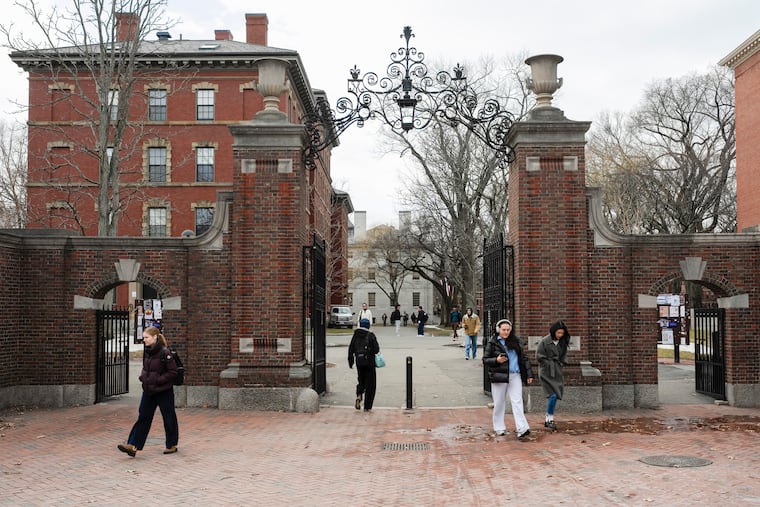
Harvard University faculty voted to cap A grades at 20% of undergraduate letter grades for the 2027 academic year, aiming to combat decades-long grade inflation. The policy, supported by 458 faculty votes, faces student opposition over concerns about increased competition and stress, though experts like Steven Pinker and Ray Fair see it as a potential model for other institutions.
Harvard University faculty approved a policy to limit A grades to 20% of undergraduate letter grades in courses, with an allowance for up to four additional A’s, effective in the 2027 academic year. The vote, with 458 in favor and 201 opposed, follows a trend of rising grades, where two-thirds of undergraduate letter grades were A’s in 2024-25, up from 35% in 2012-13. The new rule applies only to undergraduates and does not restrict A-minus or lower grades. In a course of 100 students, professors can award up to 24 A’s. The policy will be reviewed after three years, requiring another faculty vote to modify it. Amanda Claybaugh, dean of undergraduate education, called the vote ‘consequential,’ stating it would strengthen Harvard’s academic culture and encourage other institutions to address grade inflation. Harvard’s Office of Undergraduate Education had previously urged faculty to adopt stricter grading standards. Critics, including Harvard sophomore Hyunsoo Lee, argue the cap will increase competition, reduce collaboration, and harm student mental health. A survey of around 800 students found 94% opposed or leaned against the policy. Supporters like Steven Pinker, a Harvard psychology professor, argue grade inflation devalues academic achievement and forces professors to lower standards to retain enrollments. The policy could influence other universities, with Yale professor Ray Fair calling it a ‘step in the right direction.’ Pinker suggested further measures, such as capping A-minus grades, could be explored in the future.
This content was automatically generated and/or translated by AI. It may contain inaccuracies. Please refer to the original sources for verification.