Heatwaves: A growing concern for Bangladesh
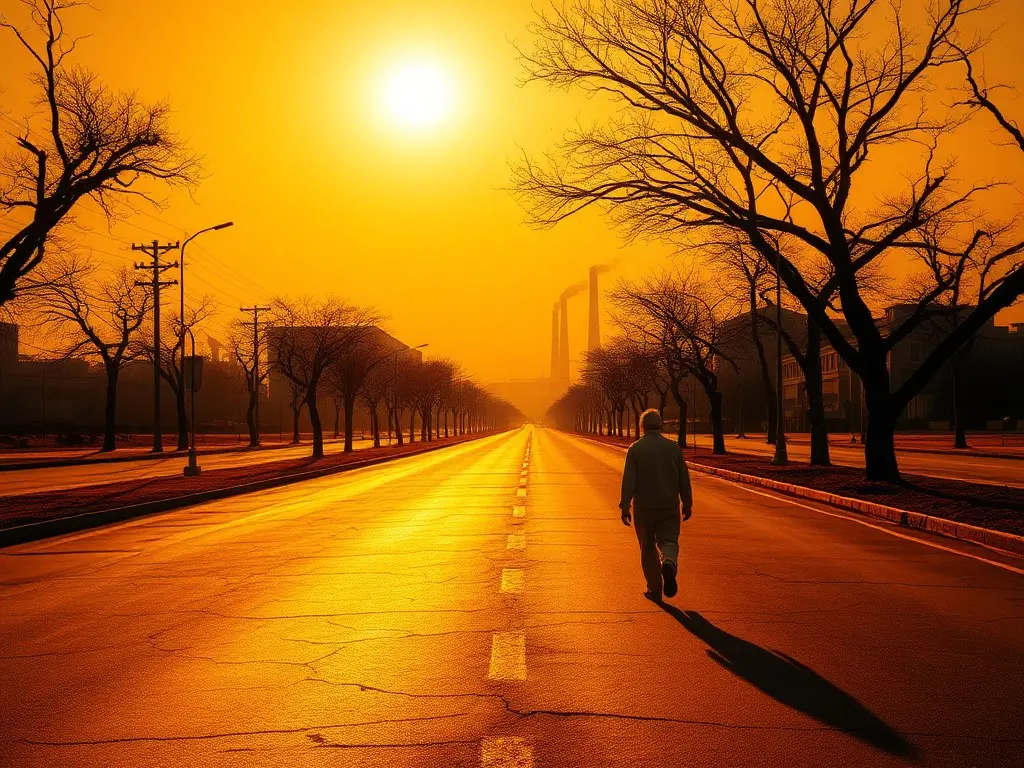
Bangladesh faced its longest and warmest heatwave in 75 years in 2024, with record temperatures exceeding 42°C in April and over 700 heat-related deaths, while Dhaka’s urban temperatures rose by 3°C in two decades. The World Bank estimates heat-related losses cost Bangladesh $1.78 billion in 2024, threatening public health and economic productivity as extreme heat becomes a recurring crisis." "article": "Bangladesh is highly vulnerable to climate change, particularly heatwaves, which are worsening due to global warming. The Bangladesh Meteorological Department (BMD) categorizes heatwaves by temperature: mild (36-38°C), moderate (38-40°C), severe (40-42°C), and extreme (above 42°C). The pre-monsoon period, especially March to June, poses the greatest risk, with April typically recording the highest temperatures. In April 2024, Bangladesh experienced its longest heatwave in recorded history, surpassing previous extremes. The heat index in May 2025 reached 40°C, posing threats to health, livelihoods, and human dignity. The World Health Organization reports that Asia accounts for 45% of global heat-related deaths, with Bangladesh among the hardest-hit nations. In 2024 alone, over 700 heat-related deaths were recorded, the highest in the country’s history, while neighboring India reported 219 deaths and over 25,000 heatstroke cases. Dhaka, Bangladesh’s capital with over 30 million people, has seen temperatures rise by nearly 3°C in the past 20 years. The highest recorded temperature in Dhaka was 40.6°C on April 16, 2023, the highest in 58 years. Urban areas experience a faster temperature increase than rural regions, with a 0.57°C rise in the last decade. Extreme heat exacerbates health risks such as dehydration, cardiovascular problems, and respiratory difficulties, particularly affecting the elderly, outdoor workers, and those with pre-existing conditions. The economic impact is severe, with the World Bank estimating $1.78 billion in losses from heat-related illnesses and reduced worker productivity in 2024, equivalent to 0.4% of Bangladesh’s GDP. Future projections indicate rising temperatures and more frequent extreme events, including tropical disease outbreaks and water scarcity, worsening the crisis. Without intervention, heatwaves will continue to strain public health and economic stability in Bangladesh.
Bangladesh is highly vulnerable to climate change, particularly heatwaves, which are worsening due to global warming. The Bangladesh Meteorological Department (BMD) categorizes heatwaves by temperature: mild (36-38°C), moderate (38-40°C), severe (40-42°C), and extreme (above 42°C). The pre-monsoon period, especially March to June, poses the greatest risk, with April typically recording the highest temperatures. In April 2024, Bangladesh experienced its longest heatwave in recorded history, surpassing previous extremes. The heat index in May 2025 reached 40°C, posing threats to health, livelihoods, and human dignity. The World Health Organization reports that Asia accounts for 45% of global heat-related deaths, with Bangladesh among the hardest-hit nations. In 2024 alone, over 700 heat-related deaths were recorded, the highest in the country’s history, while neighboring India reported 219 deaths and over 25,000 heatstroke cases. Dhaka, Bangladesh’s capital with over 30 million people, has seen temperatures rise by nearly 3°C in the past 20 years. The highest recorded temperature in Dhaka was 40.6°C on April 16, 2023, the highest in 58 years. Urban areas experience a faster temperature increase than rural regions, with a 0.57°C rise in the last decade. Extreme heat exacerbates health risks such as dehydration, cardiovascular problems, and respiratory difficulties, particularly affecting the elderly, outdoor workers, and those with pre-existing conditions. The economic impact is severe, with the World Bank estimating $1.78 billion in losses from heat-related illnesses and reduced worker productivity in 2024, equivalent to 0.4% of Bangladesh’s GDP. Future projections indicate rising temperatures and more frequent extreme events, including tropical disease outbreaks and water scarcity, worsening the crisis. Without intervention, heatwaves will continue to strain public health and economic stability in Bangladesh.
This content was automatically generated and/or translated by AI. It may contain inaccuracies. Please refer to the original sources for verification.