Hegseth wants US allies to step up, calls allied defense 'bad deal for taxpayers' in budget push
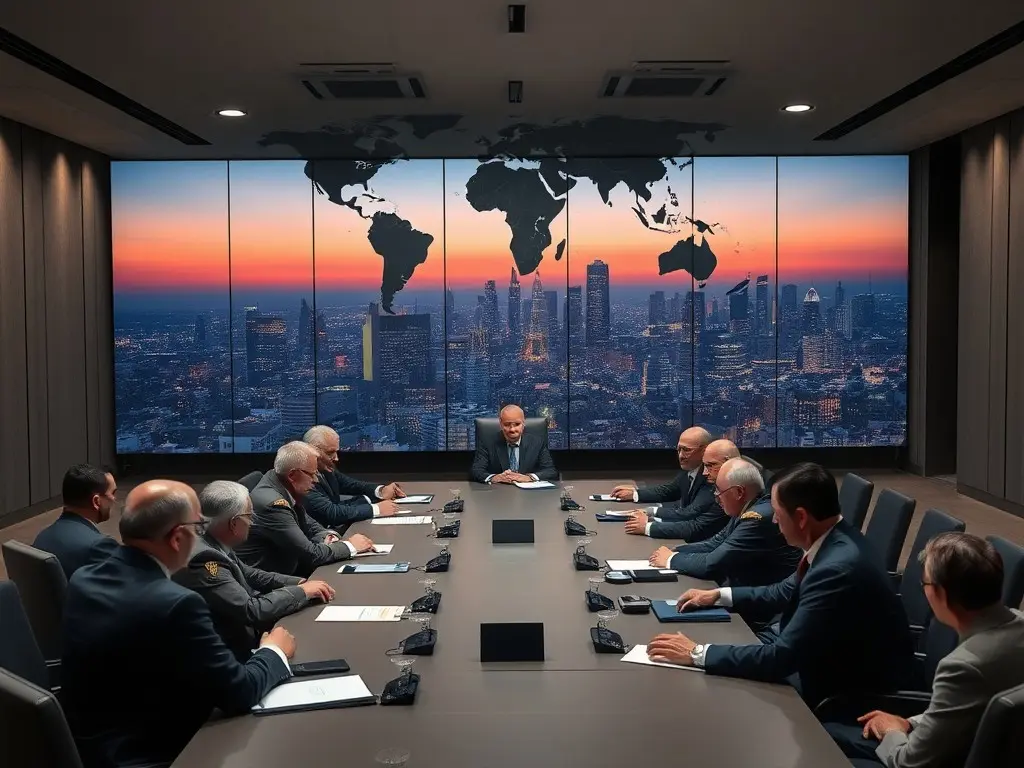
Defense Secretary Pete Hegseth urged U.S. allies at the Shangri-La Dialogue in Singapore to increase defense spending to 3.5% of GDP and share more regional security costs, calling current reliance on U.S. military power an 'unsustainable crutch.' President Donald Trump’s proposed $1.5 trillion defense budget for 2027, including a $1.14 trillion base request, faces scrutiny amid Pentagon audit failures and rising concerns over financial management.
Defense Secretary Pete Hegseth called on U.S. allies to boost defense spending to at least 3.5% of their GDP during the Shangri-La Dialogue in Singapore, arguing that the U.S. cannot indefinitely subsidize the security of wealthy nations. Speaking at the annual Asia-Pacific security summit, Hegseth framed current defense arrangements as an 'unsustainable crutch' and warned that the era of American-led security was ending. He emphasized the need for 'shared responsibility' rather than dependency, stating that allies must assume a larger role in regional security. The Pentagon is seeking a record $1.5 trillion defense budget for fiscal year 2027, a 42% increase over current levels, with $1.14 trillion allocated through the National Defense Authorization Act. The House Armed Services Committee will review the $1.14 trillion base request, while the Senate Armed Services Committee plans its markup for June 10. The budget also includes $350 billion via a separate reconciliation bill, requiring only a simple majority for passage. The proposed budget funds major initiatives, including the Golden Dome missile defense shield, a tripling of drone and counter-drone spending, and a near-doubling of the Space Force budget. It also calls for adding 44,000 service members and a pay raise for military personnel. However, the Pentagon’s financial management remains under scrutiny after failing eight consecutive audits, with the Government Accountability Office warning that systemic weaknesses persist despite a new audit strategy. The conflict in Iran has already cost the U.S. approximately $29 billion, according to Acting Comptroller Jules Hurst, who cited equipment repairs, replacements, and operational expenses. Hurst dismissed concerns about audit failures, arguing that accounting challenges—such as tracking decades-old nuclear missile costs—are not indicative of funding execution issues. The Pentagon’s financial struggles come as voter confidence in national finances hits a two-year low, with the national debt exceeding $39 trillion. Critics argue that the proposed budget increase is necessary given global security threats, but Hegseth’s push for allied contributions reflects broader concerns about the sustainability of U.S.-led defense spending.
This content was automatically generated and/or translated by AI. It may contain inaccuracies. Please refer to the original sources for verification.