Here’s What a Super El Niño Could Mean for the Climate Crisis
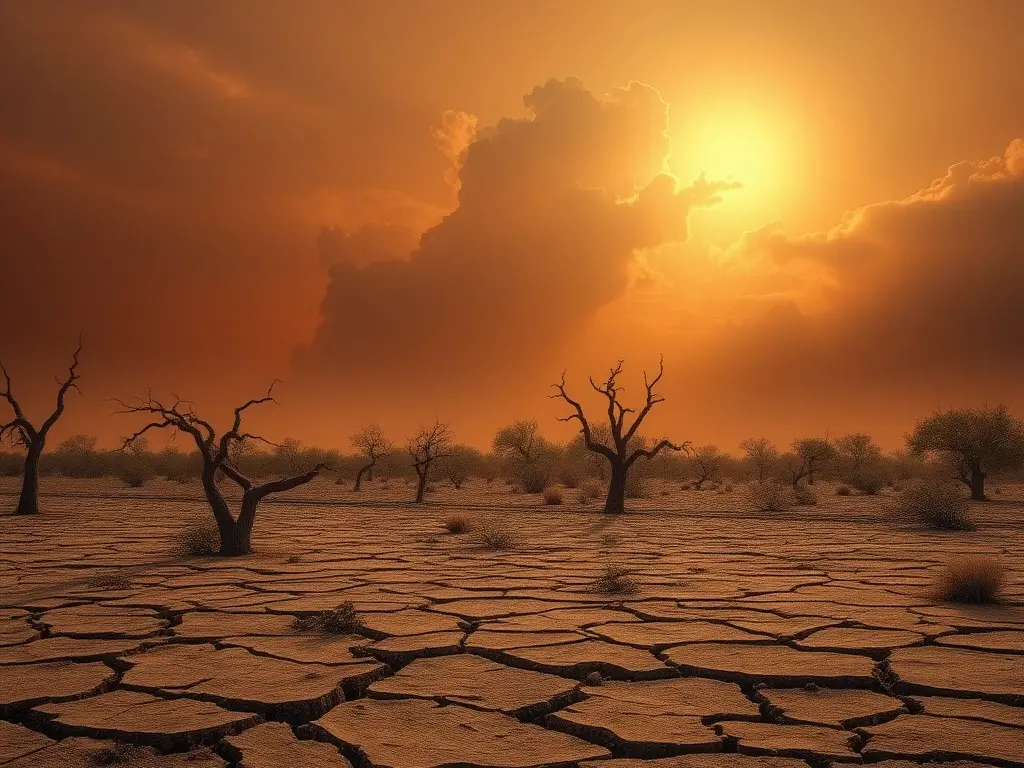
Forecasters predict a potentially extreme El Niño event that could set a new global temperature record, exacerbating the climate crisis. The relationship between El Niño and human-driven climate change is complex, but researchers agree that El Niño can compound the warming effects of rising greenhouse gas concentrations.
As summer approaches, chances are rising for one of the strongest El Niño events in history. This temporary warming of the tropical Pacific Ocean could set a new global temperature record, but what does that mean for the climate crisis? El Niño events are now unfolding against the backdrop of human-driven climate change. The relationship between these forces is highly complex, and researchers are still working to understand exactly how they influence each other. A strong El Niño that developed in 2023 played a key role in making 2024 the hottest year on record. When La Niña took hold in 2025, the global average temperature fell, but it did not return to 2022 levels. In fact, 2025 became the third-warmest year on record, just behind 2023 and 2024. This dynamic shows up in unusual regional-scale weather patterns, such as a massive heat wave in Australia earlier this year despite La Niña conditions. Researchers agree that El Niño can compound the warming effects of rising greenhouse gas concentrations, helping boost the global average temperature into uncharted territory.
This content was automatically generated and/or translated by AI. It may contain inaccuracies. Please refer to the original sources for verification.