Here's why you don’t need to worry about a 'super' El Niño — yet
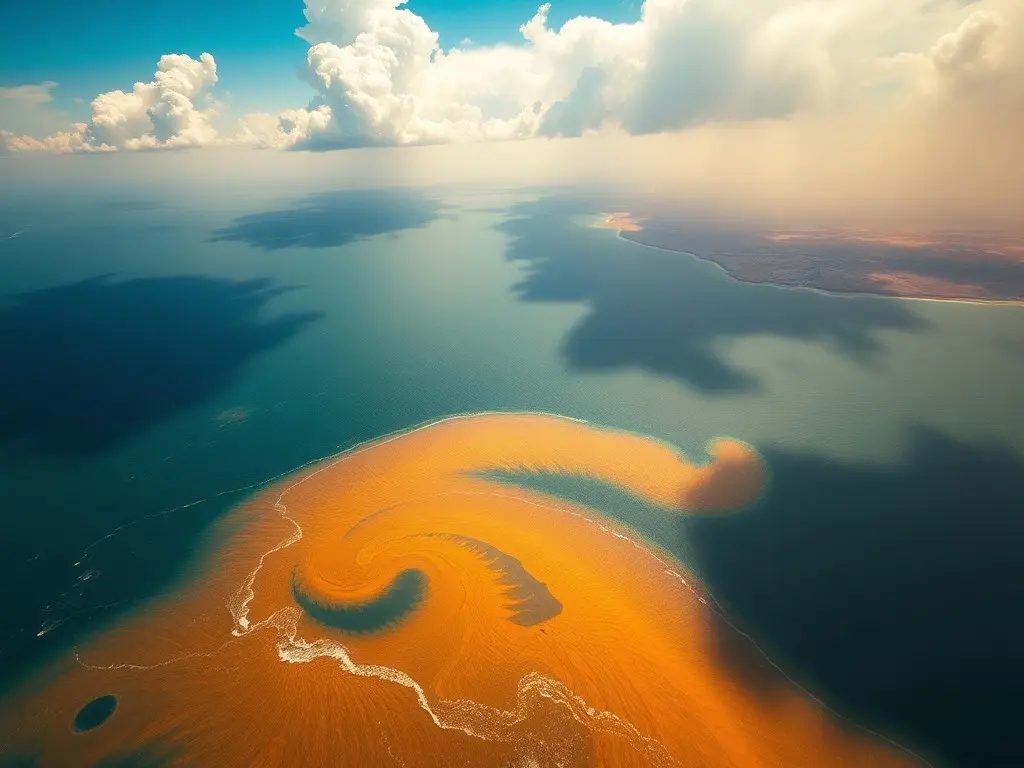
Climate models suggest a strong to 'super' El Niño could develop by June or July, peaking in November with Pacific Ocean temperatures 2°C above average, though NOAA notes uncertainty about its peak strength. While Canada may not feel immediate impacts this summer, strong El Niño events typically bring warmer winters, with potential global temperature records in 2026 or 2027 due to compounded climate change effects.
Climate models indicate a strong to potentially 'super' El Niño may form this summer, beginning in June or July and peaking in November. Ocean temperatures in the Niño 3.4 region of the Pacific could rise 2°C above average, with some models predicting even higher anomalies. The U.S. National Oceanic and Atmospheric Administration (NOAA) issued an El Niño watch, forecasting an 82% chance of development between May and July and a 96% likelihood of continuation through December to February. However, NOAA acknowledges uncertainty about the event’s peak strength. El Niño arises from shifts in Pacific Ocean trade winds and water temperatures, disrupting global weather patterns. While a strong El Niño could elevate global temperatures and extreme weather, Canada may not experience immediate effects this summer. Historically, impacts on Canada are most pronounced in winter, with warmer conditions across Eastern and Central regions. The last strong El Niño, in 2023-2024, resulted in Canada’s warmest winter on record, with a 1.5°C temperature anomaly in the Niño 3.4 region. A 2015-2016 'super' El Niño saw a 2.4°C anomaly. If this year’s event reaches similar intensity, winter effects could intensify. Scientists emphasize that climate change, not El Niño alone, is the primary driver of rising global temperatures. The past 11 years have been the warmest on record, including La Niña years that typically cool temperatures. An El Niño event could push 2026 or 2027 into record-breaking territory, compounding long-term warming trends.
This content was automatically generated and/or translated by AI. It may contain inaccuracies. Please refer to the original sources for verification.