Hezbollah’s Trap for Israel
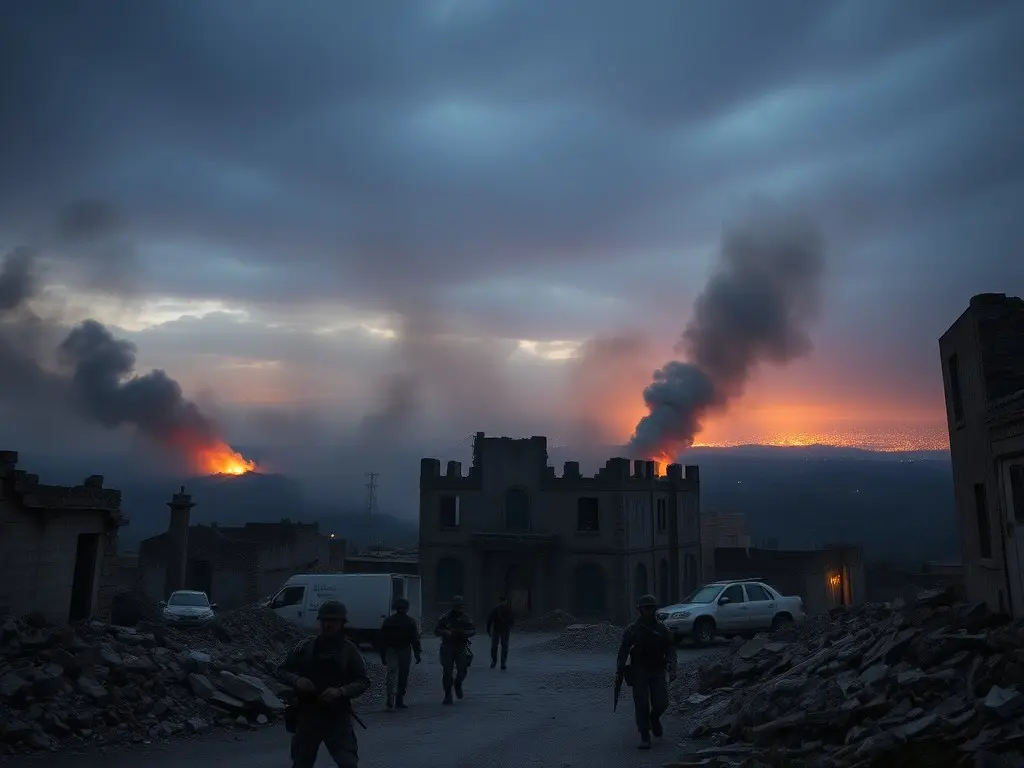
Israel and Hezbollah’s diplomatic efforts collapsed after Israel raised its flag at Beaufort Castle in southern Lebanon on May 30, despite a claimed ceasefire brokered by U.S. President Donald Trump the following day. Meanwhile, Hezbollah escalated attacks on Israeli forces and civilians, while Israel intensified strikes in Lebanon, displacing thousands and targeting Hezbollah operatives and Lebanese civilians.
Israeli and Lebanese military delegations met at the Pentagon on May 30 to prepare for a fourth round of diplomatic negotiations aimed at ending the conflict between Israel and Hezbollah. The next day, Israeli Defense Forces (IDF) soldiers raised the Israeli flag at Beaufort Castle, a twelfth-century fortress in southern Lebanon, marking a symbolic return to a site tied to Israel’s former occupation. Israeli Prime Minister Benjamin Netanyahu declared the recapture a strategic victory, stating Israel had returned ‘stronger than ever.’ Just 48 hours later, U.S. President Donald Trump announced he had brokered a ceasefire agreement between Israel and Hezbollah, though both sides quickly disputed the claim. The announcement came amid a sharp escalation in violence: Hezbollah conducted 227 attacks on IDF soldiers and Israeli civilians between May 25 and May 31, up from 161 the prior week, using rockets, antitank fire, and drones. Israeli northern communities faced relentless shelling, forcing tens of thousands to flee their homes. Israel’s military response has included deep strikes into Lebanon, the destruction of villages, and the deployment of two full military divisions to create a buffer zone. The IDF reported killing nearly 800 Hezbollah operatives and hundreds of Lebanese civilians since mid-April. Netanyahu framed the Beaufort Castle operation as part of a broader ‘forward defense’ strategy, emphasizing territorial control and constant military pressure across Syria, Gaza, and Lebanon. The conflict reflects Israel’s post-October 7 shift toward preemptive military action, prioritizing deterrence through territorial gains over diplomacy. Netanyahu’s government faces domestic pressure to avoid appearing weak ahead of an upcoming election, where hardline factions demand decisive action against Iran-backed militias. Despite diplomatic overtures, Israel’s military operations have deepened the crisis, raising fears of a wider regional war. Both Israel and Lebanon share an interest in weakening Hezbollah, but escalatory tactics risk squandering a rare opportunity for a negotiated solution. The cycle of violence continues, with Hezbollah expanding its attacks and Israel threatening to strike deeper into Lebanon, including Beirut. The U.S.-backed ceasefire remains fragile, with neither side showing signs of backing down.
This content was automatically generated and/or translated by AI. It may contain inaccuracies. Please refer to the original sources for verification.