Holes Australia's sovereign capability exposed by Iran war supply chain issues
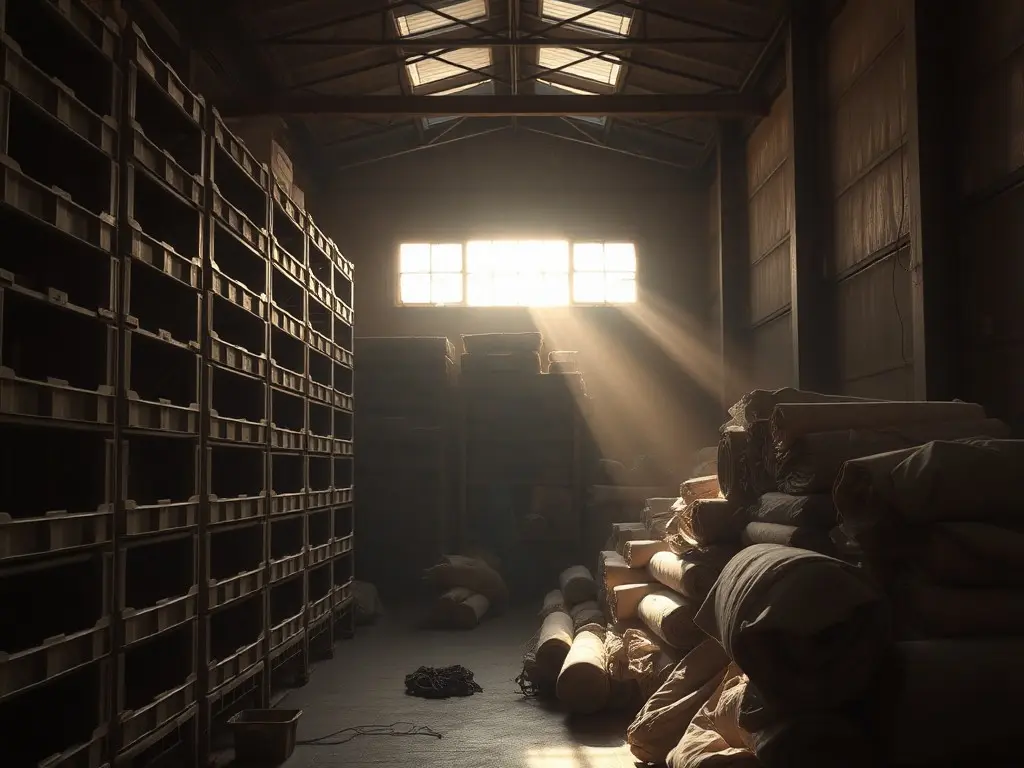
The Iran war has exposed gaps in Australia’s manufacturing supply chains, disrupting access to critical chemicals, plastics, and textiles like yarn, threatening industries from food packaging to emergency services. Local manufacturers like Geelong’s LoomTex and industry groups warn volatile raw material pricing and policy neglect of non-defense sectors risk slowing innovation and resilience efforts.
Australia’s manufacturing sector is facing severe strain due to supply chain disruptions triggered by the Iran war, with shortages of essential chemicals, plastics, and textiles threatening industries beyond defense and energy. While policies focus on sovereign capability in defense and energy, critical supplies like yarn for clothing and materials for food packaging are now scarce, forcing manufacturers to adapt under unpredictable pricing conditions. Geelong-based textile manufacturer LoomTex has seen increased demand for its products since the conflict began, but Chief Executive Samantha Van Zyl highlights the challenges of securing raw materials. Before the war, the company developed specialized fibers for emergency services, but access to inputs like sulfuric acid—already disrupted by China’s supply cuts—has become erratic. Pricing for yarn and other materials now fluctuates within hours instead of weeks, complicating new projects and innovation. The Australian Fashion Council’s Sam Delgos emphasizes that sovereign capability extends beyond defense, citing the COVID-19 pandemic as proof that Australia must produce essential goods locally when global supply chains fail. The textile and fashion industry has already pivoted to supply face masks and healthcare equipment, but labor costs, energy expenses, and scalability remain barriers to self-sufficiency. Industry experts classify manufacturing needs by complexity, from low-intensity products like nuts and bolts to high-tech items requiring imported technology, such as cochlear implants. Louise McGrath of the Australian Industry Group stresses that all levels of production—including intermediate goods—are vital for resilience. Chemical and plastics manufacturing, often overlooked, are now critical for food packaging and broader industrial needs, she warns. Manufacturers are taking independent action to address gaps, but volatility in raw material costs risks stalling progress. Delgos notes that while Australia can adapt quickly in crises, sustained investment and policy support are needed to ensure long-term supply chain security. The current focus on defense and energy leaves other sectors vulnerable, despite their role in supporting essential services.
This content was automatically generated and/or translated by AI. It may contain inaccuracies. Please refer to the original sources for verification.