Homeland Security’s Plan to Squeeze International Flights
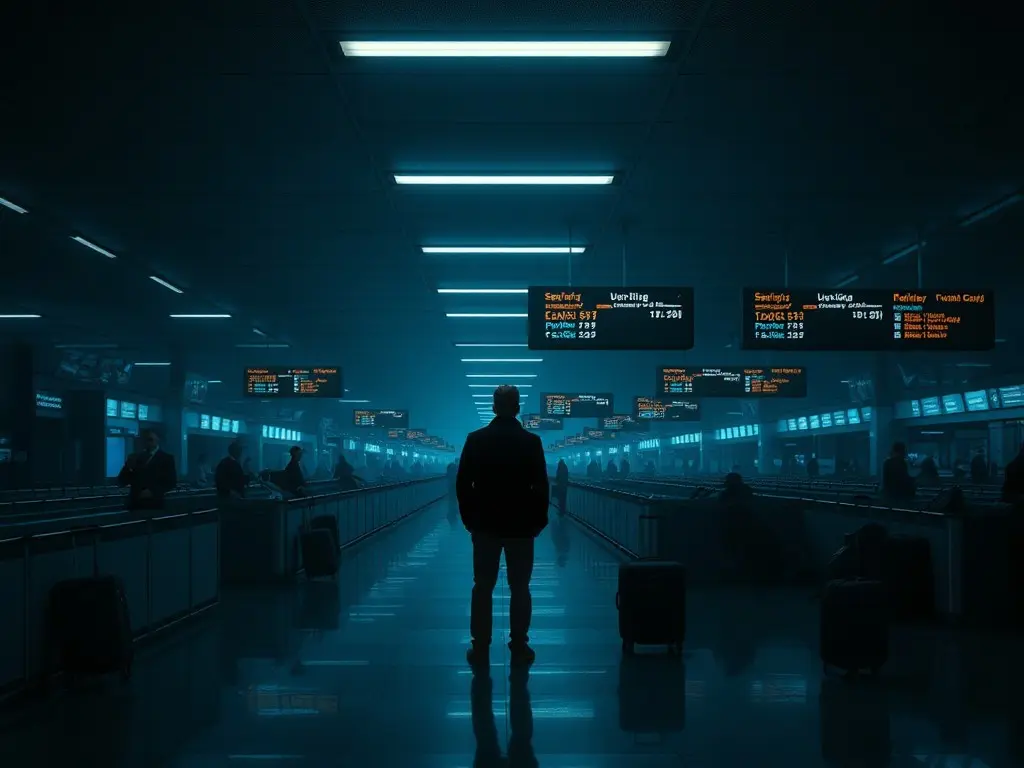
DHS Secretary Markwayne Mullin proposed reducing federal screening at airports in sanctuary cities, including Portland, New York, and Washington, to pressure them into cooperating with ICE. Airlines warn the move would disrupt global travel, cause economic damage, and fail to isolate sanctuary cities from broader U.S. travel impacts.
DHS Secretary Markwayne Mullin discussed a plan to cut federal screening of international passengers and cargo at airports in cities with sanctuary policies, which limit cooperation with Immigration and Customs Enforcement (ICE). The proposal, first floated in April, targets airports like Portland International Airport, John F. Kennedy International Airport, Newark Liberty International Airport, and Washington Dulles International Airport. Mullin convened airline executives last week and stated DHS may reduce Customs and Border Protection staffing at these airports, though no timeline was provided. Executives expressed alarm, arguing international travelers and cargo cannot be easily rerouted, which would create chaos in major U.S. airports and harm the broader travel industry. The move aims to pressure sanctuary cities into allowing ICE access to local jails for potential deportee custody. Mullin framed it as a way to enforce immigration policy, stating that cities refusing cooperation should face consequences. However, industry experts and former DHS officials criticized the plan, calling it unrealistic due to global travel logistics—many passengers transit through major airports before reaching their final destinations. Airlines and officials warn the proposal could disrupt international travel, particularly after the U.S. hosts the World Cup in July. California Governor Gavin Newsom’s office called the potential impact ‘devastating,’ emphasizing the broader economic risks beyond the targeted cities. Mullin’s plan reflects a strategy to leverage federal authority over airports to influence local immigration enforcement policies. However, critics argue the approach may backfire, causing unintended economic harm across the U.S. travel sector.
This content was automatically generated and/or translated by AI. It may contain inaccuracies. Please refer to the original sources for verification.