Hong Kong seeks to ban protest song ‘Glory to Hong Kong’
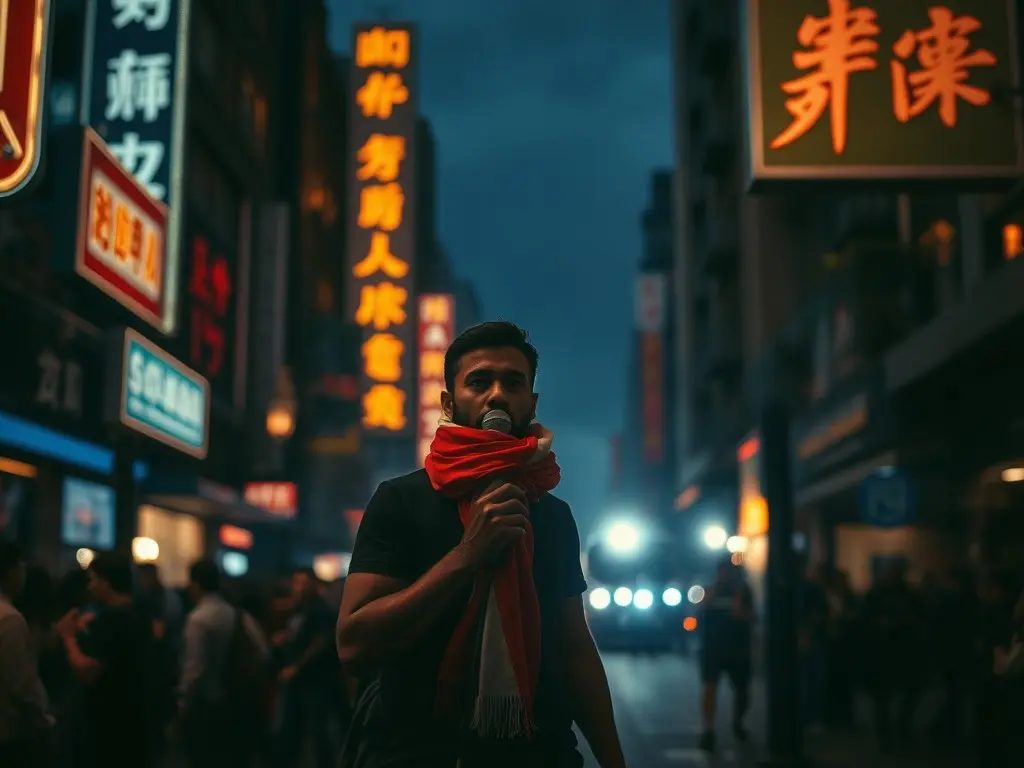
Hong Kong’s government filed for a court injunction on Monday to ban the protest song 'Glory to Hong Kong' for its secessionist lyrics, which have been mistakenly played as the city’s anthem in international events. The Department of Justice argues the song promotes separation from China and violates national security laws, despite its status as an unofficial anthem for the 2019 pro-democracy movement.
Hong Kong’s Department of Justice applied for an injunction on Monday to prohibit the broadcasting, distribution, or reproduction of the protest song 'Glory to Hong Kong.' The government claims the song’s lyrics contain secessionist slogans previously ruled illegal, including parts of the banned slogan 'Liberate Hong Kong, revolution of our times.' The move follows incidents where the song was mistakenly played as Hong Kong’s anthem at international sporting events, raising concerns it could normalize its use. The injunction targets anyone using the song to advocate for Hong Kong’s separation from China or to insult China’s national anthem, 'March of the Volunteers.' The government argues its actions are necessary to safeguard national security, despite acknowledging rights protected by Hong Kong’s Basic Law. The application asserts that while freedom of speech is valued, it is not absolute when it conflicts with national security. The song gained prominence as an unofficial anthem during the 2019 pro-democracy protests, symbolizing resistance against Beijing’s influence. The government previously banned the slogan 'Liberate Hong Kong, revolution of our times' in 2020 for similar reasons. The court is now reviewing the injunction, with a hearing date pending. The proposed ban covers all forms of dissemination, including performances, sales, and digital sharing, extending to adaptations with similar melodies or lyrics. Authorities emphasize that the restrictions align with Hong Kong’s Bill of Rights while prioritizing national security. The case highlights ongoing tensions between free expression and government control in the city.
This content was automatically generated and/or translated by AI. It may contain inaccuracies. Please refer to the original sources for verification.