Hormuz closure exposes Taiwan and Korea’s AI energy trap
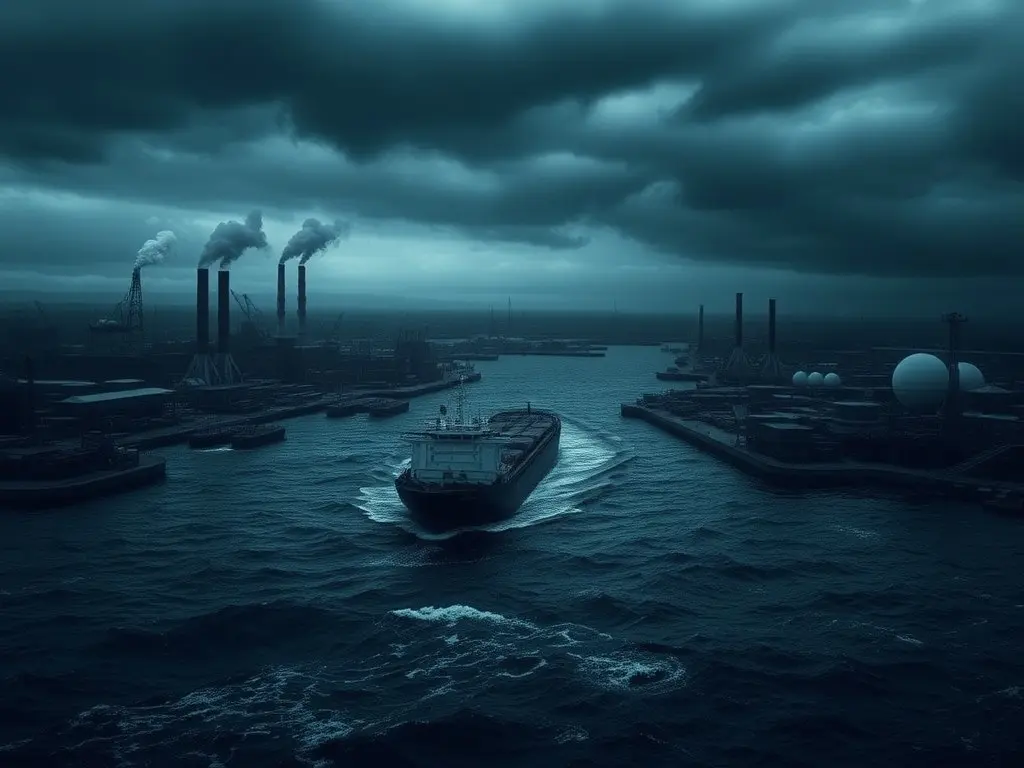
Taiwan and South Korea, major manufacturers of semiconductors and memory chips for AI, face energy supply risks due to their reliance on imported fossil fuels, particularly gas, amid the Strait of Hormuz crisis. The region's competitiveness is threatened as tech giants like Apple and Microsoft push for clean energy targets.
Taiwan and South Korea, key players in the global AI hardware market, are heavily reliant on imported fossil fuels to power their factories. Taiwan imports 95% of its energy needs, including 38% of its natural gas from the Middle East, while South Korea imports 94% of its energy. The Strait of Hormuz crisis has exposed the risks of this dependence, with surging LNG prices and potential supply interruptions. The cost of replacement shipments is rising, and should supply interruptions persist, Taiwan would need to turn to the spot market. South Korea's won has plunged to a 17-year low, and manufacturing costs are projected to rise by 0.71% for every 10% increase in international oil prices. The region's tech ambitions are tied to its fossil fuel dependency, with new LNG facilities being built to power chip complexes.
This content was automatically generated and/or translated by AI. It may contain inaccuracies. Please refer to the original sources for verification.