Hotels strive to be found as AI models conduct travel search
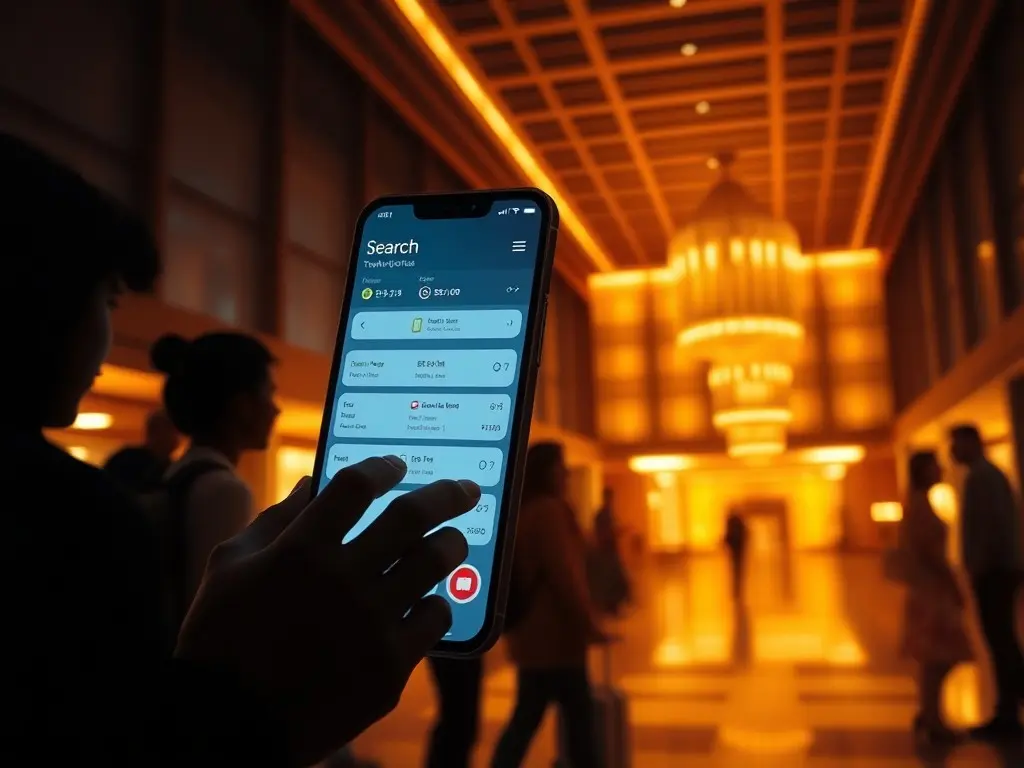
Hotels in France are adapting to AI-driven travel searches, with 35% of French users relying on AI tools like ChatGPT or Layla.ai to book stays, prompting industry-wide efforts to optimize digital visibility and semantic data. Companies like Accor and Best Western are refining systems to answer nuanced guest queries and compete for prominence in AI recommendations, while BCG reports 37% of travelers already use AI for trip planning.
Hotels in France are racing to adapt as artificial intelligence reshapes how travelers search for accommodations. A 2024 study by Custplace found that 35% of French consumers now use AI to find hotels, cafes, or restaurants, while Boston Consulting Group (BCG) estimates 37% of global travelers rely on AI-powered platforms like ChatGPT or Layla.ai for trip planning. The shift from keyword-based searches to natural language queries—such as ‘calm hotel with a west-facing balcony’—forces hotels to rethink their digital strategies, as AI models prioritize fewer, more relevant results. Accor, which operates chains like Pullman, Sofitel, and Ibis, has spent a year analyzing how to improve visibility in AI searches. Nicolas Maynard, Accor’s AI and data science chief, noted that AI responses are far more limited than traditional search engines, often returning only five options compared to Google’s 50. This makes securing a top ranking critical. However, hotels struggle with vague requests, such as ‘a romantic hotel in the south,’ because their current systems lack semantic classification. Beyond visibility, AI enables hotels to provide hyper-detailed information. Best Western France’s director, Olivier Cohn, highlighted the need to answer specific guest questions, like whether a power socket is on the left side of the bed. While some hotels already use AI chatbots for basic inquiries, Cohn emphasized that staff must focus on delivering high-value services. BCG’s report underscores that algorithms favor properties with comprehensive, trustworthy data—including guest reviews—to rank higher in recommendations. The competition extends beyond hotels, as AI platforms may adopt distribution fees similar to online travel agencies (OTAs). BCG predicts that prominence in AI-driven recommendations will come at a cost, mirroring the commission models of traditional OTAs. With AI reshaping consumer behavior, hotels must balance technical adaptation with maintaining authentic guest experiences to stay competitive.
This content was automatically generated and/or translated by AI. It may contain inaccuracies. Please refer to the original sources for verification.