House committee discusses modernizing the TSA as Trump seeks to privatize airport screening
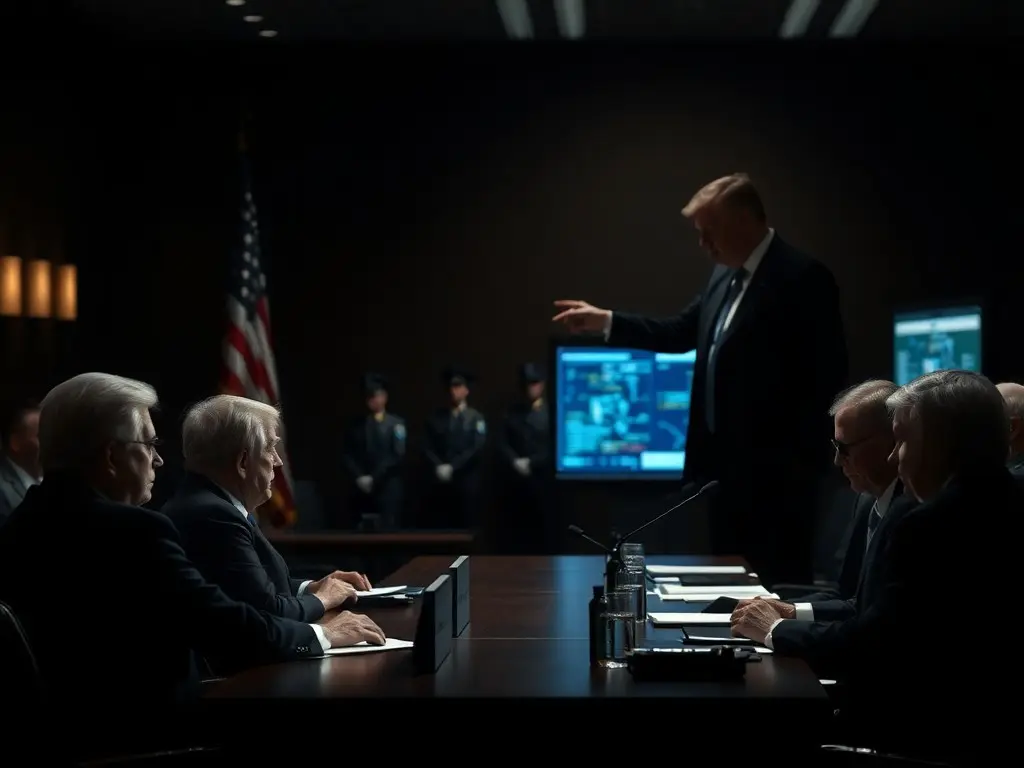
A House committee held a hearing on modernizing the Transportation Security Administration (TSA) while discussing President Donald Trump’s proposed budget to privatize airport screening at 250 U.S. airports, which would cut 4,500 TSA positions. Lawmakers expressed bipartisan concern over unpaid TSA officers during government shutdowns and the risks of shifting security to private contractors, with witnesses opposing mandatory privatization for smaller airports.
A House Committee on Homeland Security hearing on Wednesday focused on modernizing the Transportation Security Administration (TSA) amid bipartisan concerns over unpaid officers and President Donald Trump’s push to privatize airport screening. The discussion highlighted the struggles of TSA officers, who went without pay for 119 days across shutdowns in 2025 and 2026, despite performing critical security roles. Trump’s proposed budget allocates $477.3 million to privatize screening at about 250 airports and eliminates 4,500 TSA jobs to save $529.3 million in compensation. Committee members criticized Congress for failing to pass bills guaranteeing TSA worker pay during shutdowns, with Rep. Lou Correa (D-CA) arguing that lawmakers should also lose pay if TSA officers do. The hearing featured witnesses from Airlines for America, Dallas Fort Worth International Airport, and the American Federation of Government Employees (AFGE), which represents TSA workers. All opposed mandatory privatization, emphasizing that airports should retain the choice to opt into the Screening Partnership Program. The TSA recently allowed contractors in its airport staffing program to handle screening equipment, a shift from previous government exclusivity. Trump’s budget would require smaller airports to participate in privatization, a move critics say undermines federal security standards. AFGE President Everett Kelley warned against privatizing airport security, comparing it to outsourcing the CIA. Republican Chairman Andrew Garbarino noted that conservative cities like San Francisco, Seattle, and Atlanta already use private screeners, suggesting political neutrality in the debate. The hearing underscored tensions between technological modernization and workforce stability, with lawmakers divided over privatization’s impact on security and jobs. Witnesses stressed the importance of maintaining federal oversight, while opponents of privatization argued it could weaken aviation safety standards. The discussion reflects broader debates over government efficiency and the role of private contractors in national security.
This content was automatically generated and/or translated by AI. It may contain inaccuracies. Please refer to the original sources for verification.