House Republicans challenge Hegseth over Pentagon budget, amid rising Iran war costs
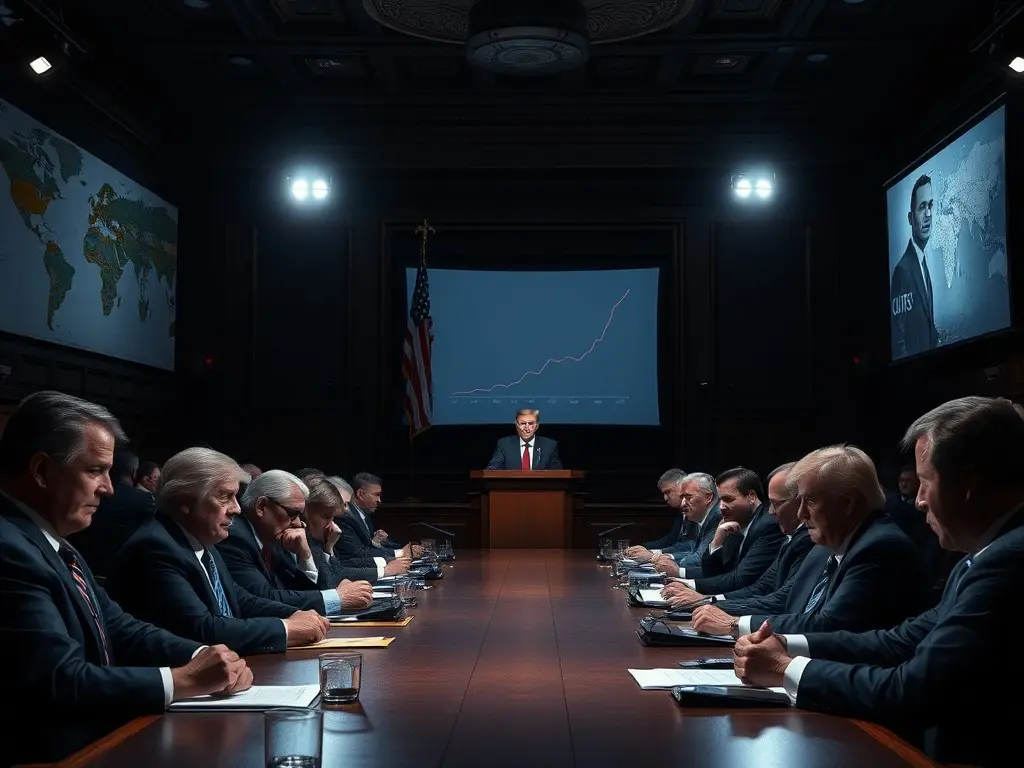
House Republicans criticized Defense Secretary Pete Hegseth’s $1.5 trillion Pentagon budget request, questioning its effectiveness amid rising Middle East conflict costs and concerns over reliance on emergency funding. Lawmakers, including Rep. Ken Calvert, demanded clarity on how the budget improves military readiness and urged faster action on an $80–$100 billion supplemental request for Iran war expenses.
House Republicans on the Appropriations Committee challenged Defense Secretary Pete Hegseth’s $1.5 trillion Pentagon budget request during a tense hearing, citing concerns over rising military costs tied to the conflict in the Middle East. Lawmakers questioned whether the funding would translate into measurable improvements in warfighting capability, with Rep. Ken Calvert expressing skepticism about the Pentagon’s ability to sustain prolonged high-end conflicts. Hegseth defended the budget as fiscally responsible, arguing that the Trump administration inherited a weakened defense industrial base from prior underinvestment. He acknowledged the political challenges of splitting the funding—$1 trillion through traditional appropriations and $500 billion via emergency requests—but insisted the strategy was necessary to address urgent needs. Congress remains frustrated by the delay in receiving an $80–$100 billion supplemental request to replenish munitions expended in the Iran war. Calvert urged the administration to submit the request promptly, warning that the conflict’s escalating costs demand immediate oversight. Lawmakers also raised concerns about the Pentagon’s overreliance on emergency funding, which bypasses standard congressional review. Hegseth admitted the funding structure was imperfect but emphasized the need for flexibility. He stressed that restoring U.S. military strength required urgent action, though he acknowledged political constraints. The debate underscored growing bipartisan unease over defense spending priorities and the long-term financial burden of overseas conflicts.
This content was automatically generated and/or translated by AI. It may contain inaccuracies. Please refer to the original sources for verification.