Houston officials detail transportation, security, infrastructure plans ahead of FIFA World Cup 2026
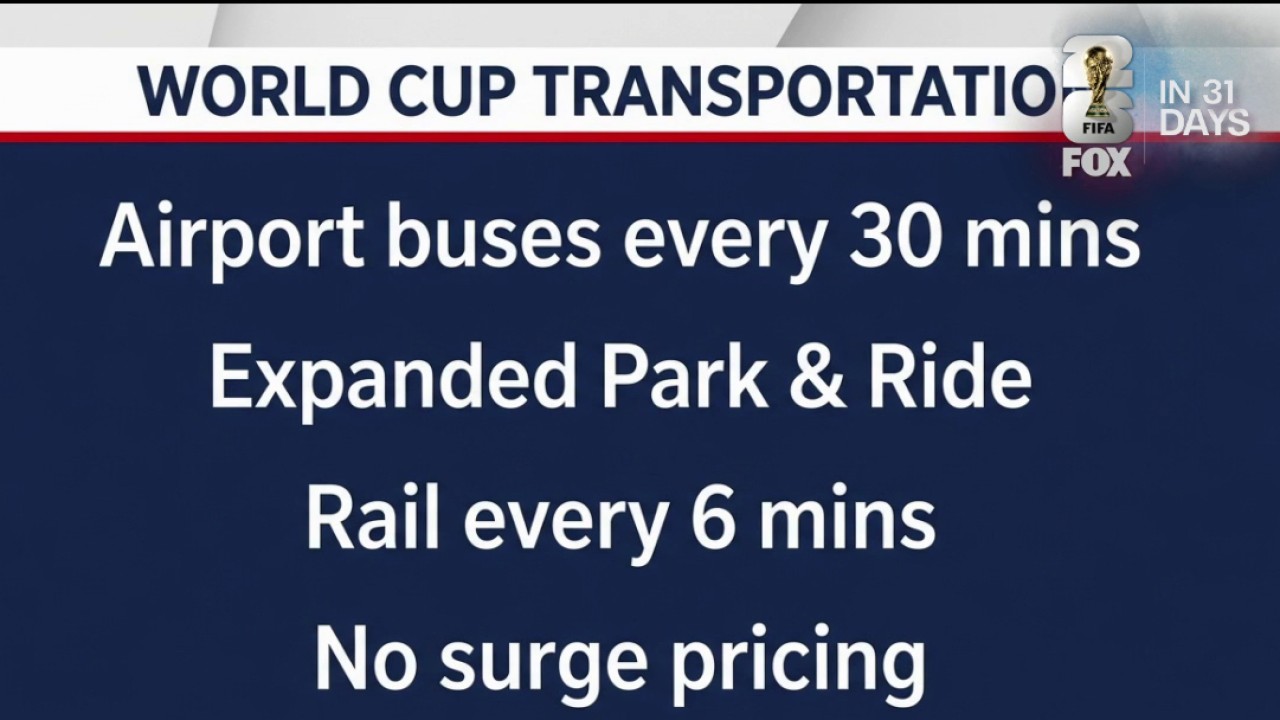
Houston officials outlined transportation, security, and infrastructure plans for hosting seven FIFA World Cup 2026 matches and a 39-day FanFest, estimating a $1.5 billion economic impact. New transit routes, expanded airport services, and enhanced law enforcement measures are being implemented to accommodate hundreds of thousands of visitors.
Houston officials detailed final-phase preparations for hosting seven FIFA World Cup 2026 matches and a 39-day FanFest in EaDo, expecting a $1.5 billion economic boost. Transportation plans include a new 'Metro 500' airport-to-downtown route with 30-minute service, Red Line trains running every six minutes, and expanded Park & Ride operations through July 11. METRO Chair Elizabeth Brock emphasized avoiding driving to ease traffic congestion, while airport upgrades include eight new TSA screening lanes, expanded ride-share zones, and faster customs processing. Security measures involve $80 million in federal grants for law enforcement, anti-drone tech, and medical equipment, with visible police presence at airports, transit hubs, and stadiums. Chief Safety and Security Officer Tommy Calabro highlighted SWAT teams, bomb squads, and K9 units as part of the response strategy. METRO police introduced handheld translation devices for over 50 languages and upgraded surveillance systems, with 400 employees serving as ambassadors for visitor assistance. Airports will accommodate travelers connecting to other host cities and Mexico, with international-style activations like gaming stations and DJs. The Argentina vs. Honduras match at Kyle Field on June 6 serves as a test run. Downtown Houston organizations are also preparing infrastructure upgrades to support the influx of visitors during the tournament’s 21-day span.
This content was automatically generated and/or translated by AI. It may contain inaccuracies. Please refer to the original sources for verification.