How a 3,400-year-old ballgame survives in Mexico against all odds
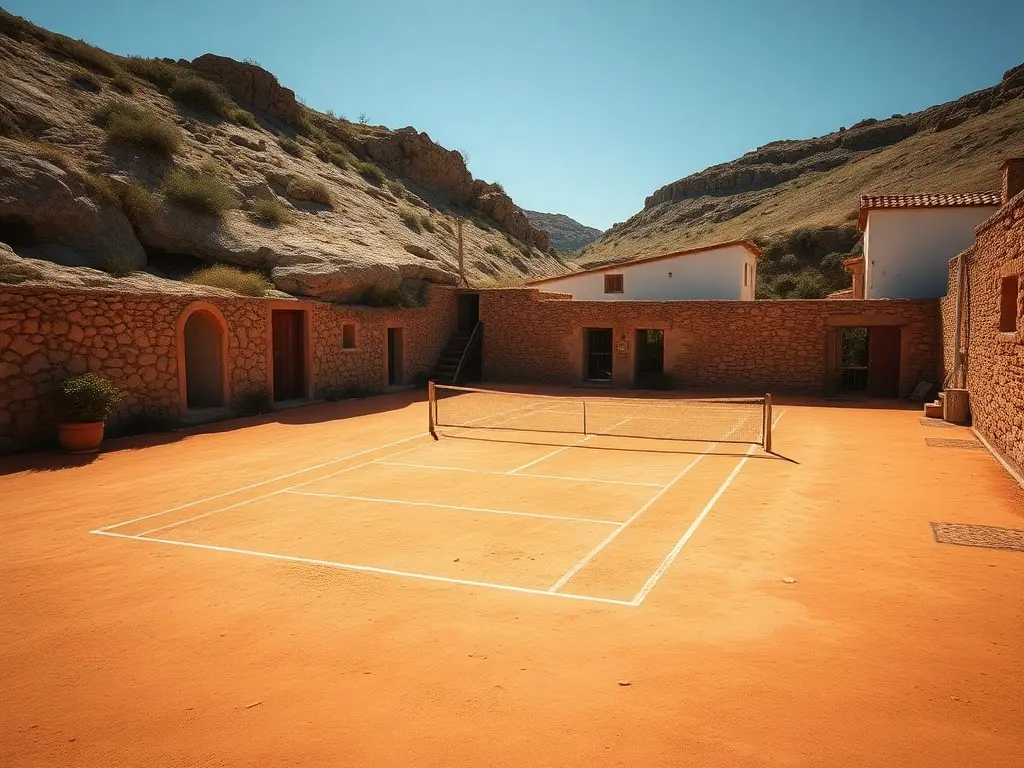
Five cousins in Sinaloa, Mexico, are reviving the 3,400-year-old ulama ballgame, a tradition nearly erased by Spanish conquistadors but preserved in remote coastal regions, as Mexico prepares to co-host the 2026 FIFA World Cup. The game, tied to Mesoamerican rituals and depicted in ancient codices, is now being promoted to reject its 'exotic' framing while preserving its cultural significance.
Five cousins aged 8 to 13 in Sinaloa, Mexico, are practicing ulama, a 3,400-year-old ballgame tied to pre-Hispanic traditions, on a dirt field near the Pacific coast. Players use only their hips to strike a 3.2-kilogram rubber ball, a skill passed down through generations after the sport’s near-erasure during Spanish colonization. The Osuna family, including widow María Herrera, continues the legacy of Aurelio Osuna, who taught the game to his grandchildren despite its decline. Ulama originated with the Olmecs and spread across Mesoamerica, with variations tied to rituals like fertility ceremonies, political acts, or even sacrifices, though evidence suggests such practices were regional and limited. Archaeological findings, including nearly 2,000 ball courts from Nicaragua to Arizona, confirm its widespread cultural importance. Spanish conquistadors, including Hernán Cortés, suppressed the game, viewing it as a pagan resistance, though it survived in northern Mexico’s Pacific coast due to less aggressive colonial influence. Researchers like Emilie Carreón of UNAM aim to modernize ulama’s perception, rejecting its portrayal as a 'living fossil' and emphasizing its role in indigenous identity. The game’s revival aligns with Mexico’s 2026 FIFA World Cup co-hosting, offering a chance to highlight heritage beyond soccer. Players and scholars stress preserving ulama’s authenticity while leveraging global attention to combat cultural erasure. The ballgame’s rules varied, with some versions allowing hip, forearm, or mallet strikes, and its social significance often overshadowed ritualistic extremes like beheadings, which occurred in specific contexts. Jesuit priests later integrated ulama into Catholic festivities, ensuring its survival in isolated communities. Today, efforts focus on education and practice, ensuring the tradition endures beyond tourist curiosity.
This content was automatically generated and/or translated by AI. It may contain inaccuracies. Please refer to the original sources for verification.