How a Chemical Tank in Southern California Came to the Brink of Disaster
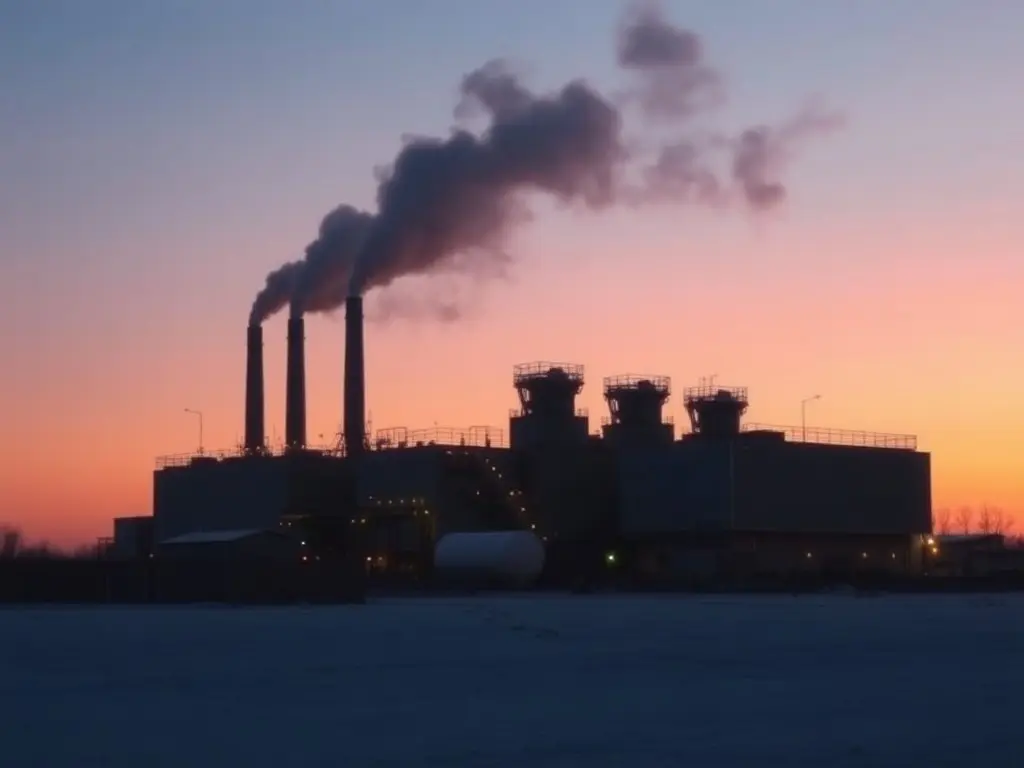
A 7,000-gallon tank containing methyl methacrylate at GKN Aerospace’s Garden Grove facility overheated and pressurized, risking explosion or rupture, forcing evacuations. Authorities struggled to neutralize the chemical due to clogged valves, while experts warned of toxic gas release or a fireball up to house-sized if the tank fails catastrophically.
A chemical storage tank at GKN Aerospace’s industrial site in Garden Grove, California, became a ticking time bomb early Friday after overheating and pressurizing with 7,000 gallons of methyl methacrylate, a toxic liquid used in plastic production. Firefighters initially cooled the bulging tank with sprinklers but faced a critical setback when the facility’s response team discovered clogged valves preventing access to inject a neutralizing agent. With no viable way to relieve pressure safely, officials expanded evacuations as the risk of a catastrophic failure loomed, including a potential explosion launching a fireball or a toxic gas cloud. Methyl methacrylate poses severe hazards: inhalation causes respiratory irritation and organ damage, while uncontrolled release could create a lethal vapor plume. Experts like Faisal Khan, head of Texas A&M’s chemical engineering department, compared a worst-case rupture to a car crash fireball, though the upward trajectory here could worsen damage. Orange County Fire Authority incident commander Craig Covey described the explosion risk as akin to a railroad tank car detonation, with debris and flames potentially traveling half a mile. Authorities erected sand barriers to contain spills, though even a controlled leak could overwhelm containment efforts if excessive vaporization has already occurred. State and local officials collaborated with national experts to devise a solution, monitoring the tank’s temperature via drone. By Friday evening, Covey reported stabilization, buying time but leaving responders without a definitive fix. The evacuation zone remained expansive due to uncertainty over where an explosion’s fireball might land. GKN Aerospace’s initial response team failed to access the tank’s interior, leaving officials with limited options beyond containment. Experts warned that if half the tank’s contents were released, the resulting fireball could match the size of a house, underscoring the gravity of the situation.
This content was automatically generated and/or translated by AI. It may contain inaccuracies. Please refer to the original sources for verification.