How a "fairy" launched the Philippine space age
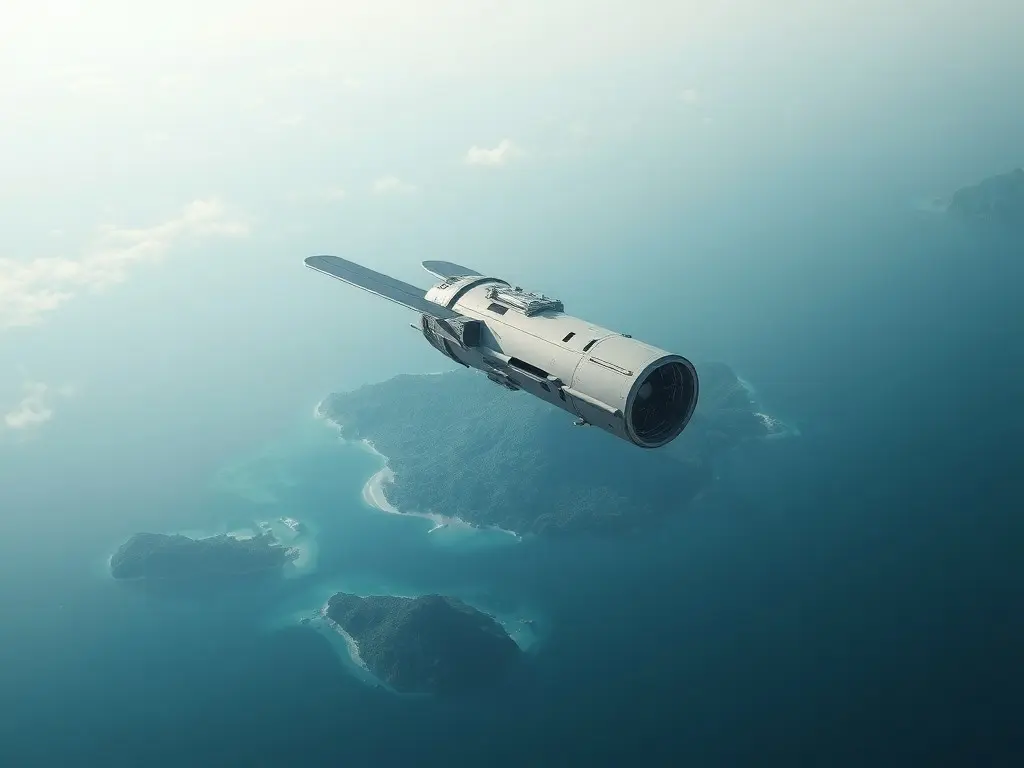
The Philippines launched its first microsatellite, Diwata-1, into orbit on April 27, 2016, marking the country's entry into the space age. Diwata-1 was designed to observe the Philippine archipelago and address gaps in access to timely, high-resolution data for various applications.
The Philippines entered the space age on April 27, 2016, when the Diwata-1 microsatellite was released into orbit from the International Space Station's Japanese Kibo module. Diwata-1 was a 50-kilogram satellite designed to observe the Philippine archipelago from 400 kilometers above Earth, addressing gaps in access to high-resolution data for agriculture, forestry, disaster response, and coastal monitoring. The satellite was built by nine Filipino engineers, known as the 'Magnificent 9,' who were trained in Japan. Diwata-1 was launched on March 23, 2016, aboard a Cygnus cargo spacecraft on a SpaceX Falcon 9 rocket from Cape Canaveral and was deployed into orbit by British astronaut Tim Peake. Diwata-1 operated for nearly four years, capturing over 45,000 images before re-entering the atmosphere on April 6, 2020. Its success validated the practical use of satellite data in the Philippines and led to the development of subsequent satellites, including Diwata-2 and the Maya series of CubeSats. These satellites continued and expanded Diwata-1's capabilities, demonstrating a transition from a single proof-of-concept mission to a layered satellite program. The Philippine Scientific Earth Observation Microsatellite Program, or PHL-Microsat, under the Department of Science and Technology, drove this development.
This content was automatically generated and/or translated by AI. It may contain inaccuracies. Please refer to the original sources for verification.