How a GH¢15 billion BoG intervention achieved what GH¢60 billion in losses could not
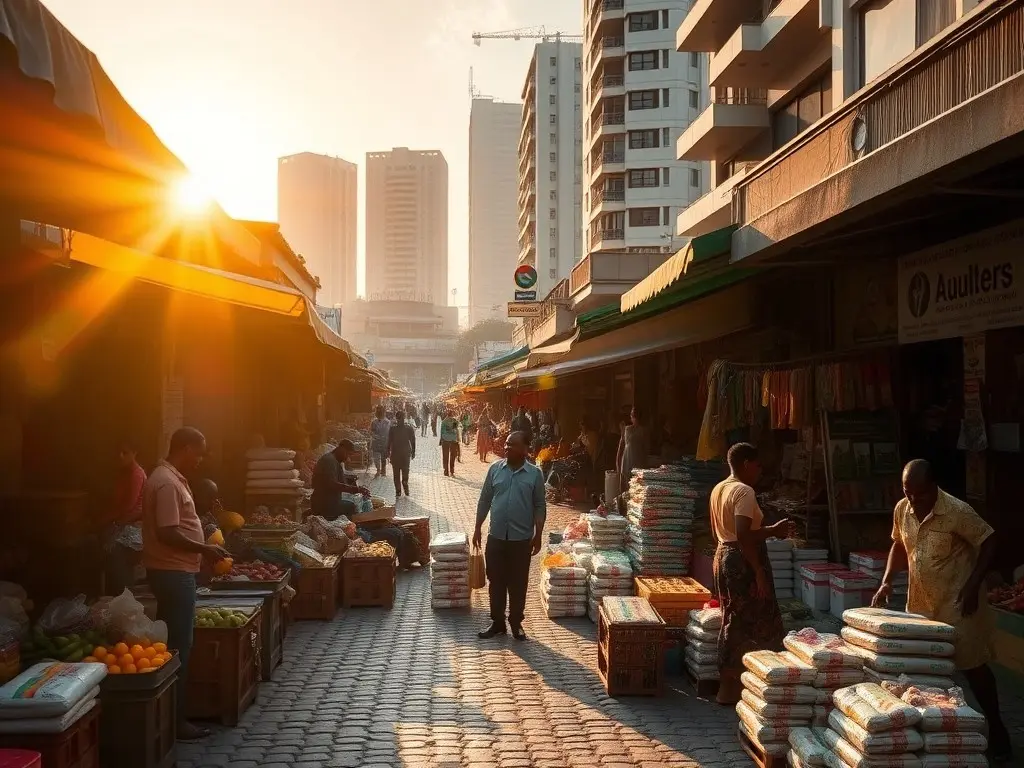
Ghana’s Bank of Ghana spent over GH¢60 billion stabilizing the economy during the 2022–2023 crisis, but high borrowing costs and liquidity restrictions stifled business growth. A smaller GH¢15 billion intervention in liquidity management is now credited with easing financing conditions, sparking expansion plans among businesses after years of survival-mode operations.
Ghana’s Bank of Ghana absorbed losses exceeding GH¢60 billion during the 2022–2023 financial crisis to stabilize the economy, but the measures failed to spur private sector growth. Despite preventing systemic collapse, borrowing costs remained at 30%–40%, treasury bill rates surged, and businesses struggled with high interest rates, restricted credit, and inflation above crisis levels. Many firms operated at a loss, prioritizing debt repayment over expansion, while SMEs delayed hiring and scaled back plans due to unaffordable financing. A more recent GH¢15 billion intervention in monetary and liquidity management has shifted the narrative, creating a more business-friendly environment. Unlike the earlier crisis phase, which focused on survival—stabilizing the currency, controlling inflation, and keeping banks functional—this intervention has eased financing conditions. Businesses now report improved access to capital, lower borrowing pressures, and renewed confidence in expansion, signaling a shift from survival to growth. Economists describe the 2022–2023 period as a ‘system survival phase,’ where stability came at the cost of high interest rates and liquidity constraints. Factories, farms, and trading markets operated below capacity, unable to reinvest profits due to the financial squeeze. Even well-run businesses found profitability eroded by 38% interest rates, taxes, and rising operational costs, leaving little room for expansion. Today, the Bank of Ghana’s liquidity measures have reduced financing costs, allowing firms to scale operations and invest in growth. The contrast between the two interventions highlights a critical lesson: stabilizing an economy does not guarantee growth unless financing conditions improve. Businesses are now discussing expansion rather than survival, marking a turning point for Ghana’s economic recovery.
This content was automatically generated and/or translated by AI. It may contain inaccuracies. Please refer to the original sources for verification.