How a SCOTUS decision on birthright citizenship could impact education access
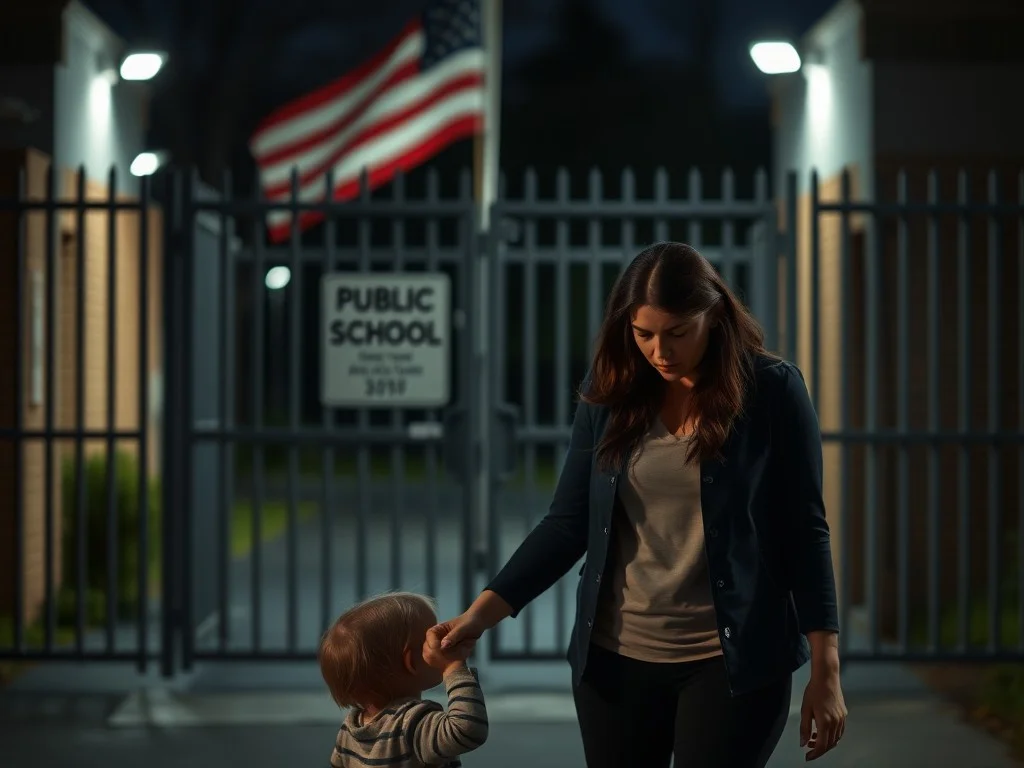
The US Supreme Court is set to hear a case that could impact birthright citizenship, potentially affecting access to education for hundreds of thousands of children. If the court rules to end or narrow birthright citizenship, it could complicate access to public schools and services for many children, despite a landmark 1982 ruling that guarantees a free K-12 public education to all children, regardless of immigration status.
The US Supreme Court is hearing a case that could change birthright citizenship. This could affect access to education for hundreds of thousands of children. Public schools can't turn students away due to immigration status, as ruled in Plyler v. Doe. However, immigrant advocates worry that this decision is under threat. Some states have proposed legislation to track students' legal status and refuse enrollment to undocumented students. If these proposals become laws, they could face legal challenges.
This content was automatically generated and/or translated by AI. It may contain inaccuracies. Please refer to the original sources for verification.