How Cubans Keep Going, Despite US Pressure and Fuel Blockade
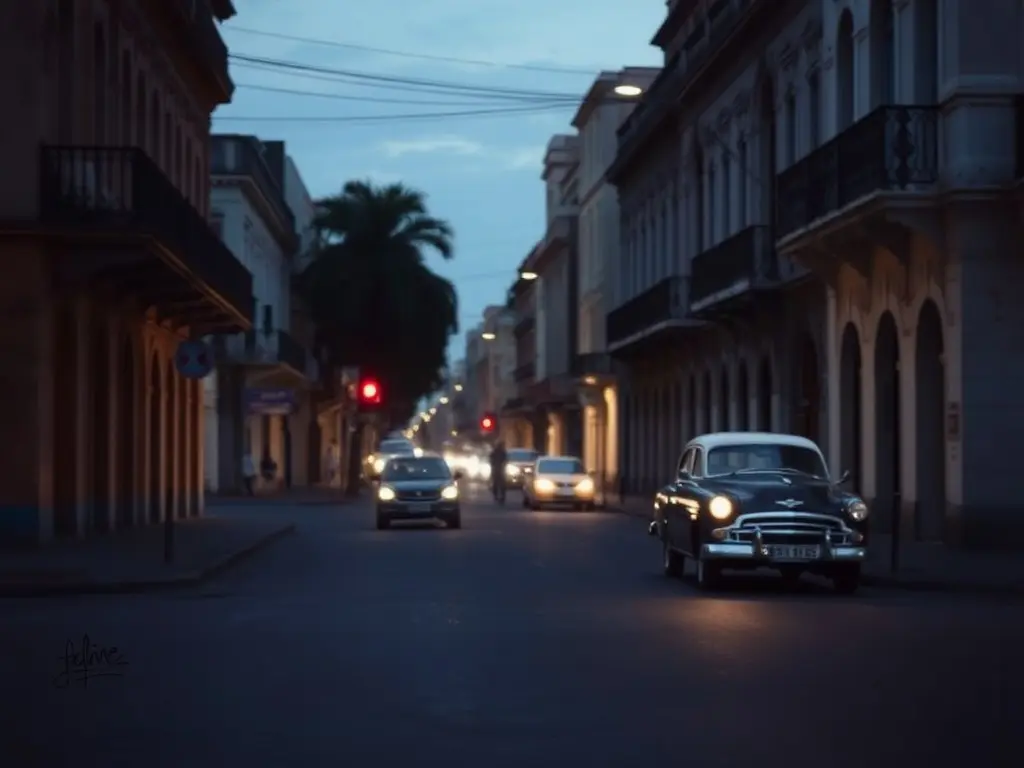
Millions of Cubans endure severe shortages of food, water, and electricity due to tightened U.S. sanctions under President Donald Trump, yet the government remains stable despite economic collapse predictions. Citizens like Felicia de la Caridad Alvarez rely on resourcefulness and fear of repression to survive, while farmers and entrepreneurs adapt with black-market diesel, oxen, and solar power to mitigate the crisis.
Cuba’s state-run economy has plunged into crisis under intensified U.S. sanctions, leaving millions—including 64-year-old Felicia de la Caridad Alvarez—without reliable electricity, running water, or refrigeration. Alvarez, a former hospital custodian with hypertension and diabetes, hauls water daily and depends on a church soup kitchen after her food spoiled and her TV broke. Despite Trump’s January prediction that Cuba was ‘ready to fall,’ the government remains in control, partly due to decades of ingrained resilience under the communist revolution’s ‘resistir’ ethos. The U.S. blockade, imposed after a failed military raid targeting Venezuelan ally Nicolás Maduro, includes cutting Cuba’s oil supply, blocking remittances, and banning U.S. tourism. These measures have devastated Cuba’s tourism sector and forced investors to flee, yet citizens like 65-year-old Omayra Blanca—who hasn’t used her broken elevator for two years—adapt by limiting outings. Protesting is avoided for fear of government reprisals, with Alvarez warning, ‘They could take revenge on my kids.’ Resourcefulness prevails as farmers stock Havana markets using black-market diesel or oxen instead of tractors, while electric tricycles replace gasoline taxis. Solar panels and power banks now provide light in homes, though living conditions have worsened. Bert Hoffmann, a German academic studying Cuban politics, notes that even Switzerland would face emergency conditions after five months without fuel, questioning the sanctions’ political impact. Cuba’s government attributes rare protests to U.S. interference, while rights groups condemn its repression. The standoff tests Washington’s patience, with Hoffmann calling it a ‘test of wills’ as Cuba’s socialist system endures despite systemic failures. Alvarez’s daily struggle—scavenging food, avoiding dissent—reflects the broader reality: survival depends on endurance, not economic relief.
This content was automatically generated and/or translated by AI. It may contain inaccuracies. Please refer to the original sources for verification.