How Delta Steered Around Airline Industry Chaos
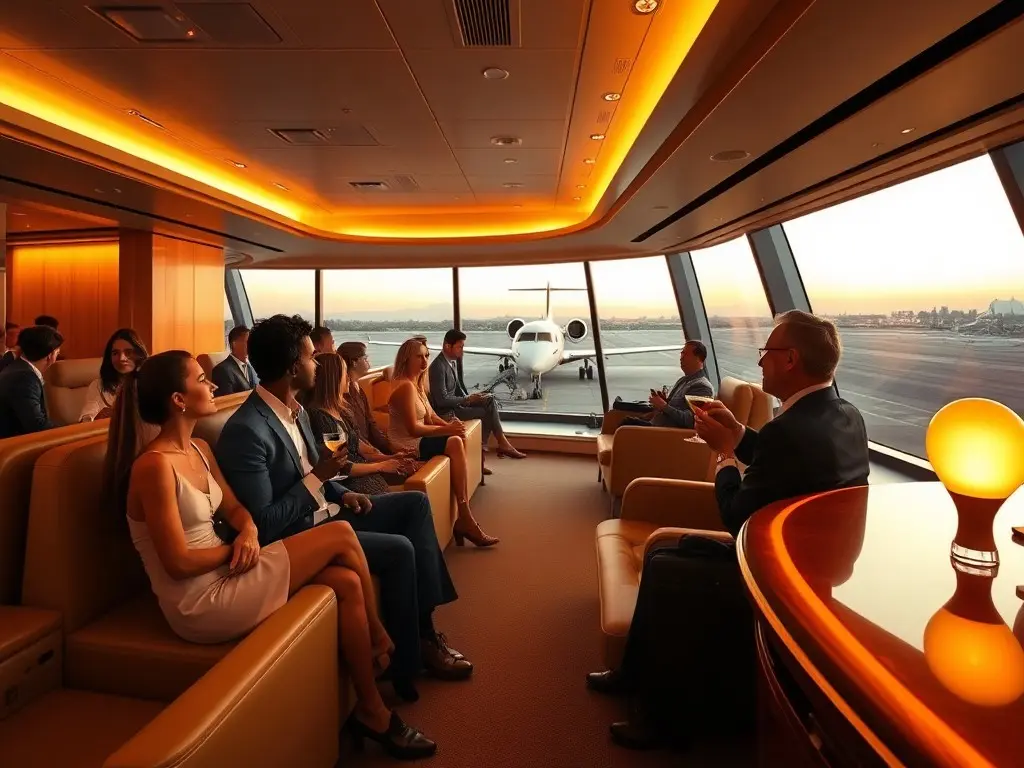
Delta Air Lines remains the most profitable U.S. airline by targeting affluent travelers with premium services, earning nearly $14.7 billion in profits over five years, while competitors like United Airlines and the collapsed Spirit Airlines struggle amid industry turmoil. The airline’s success stems from its loyalty program, SkyMiles, valued at $32 billion, and a strategy focused on consistent service and high-margin customers rather than price competition.
Delta Air Lines has maintained its position as the most profitable airline in the United States amid industry chaos, including Spirit Airlines’ shutdown and rising jet fuel prices. The airline’s strategy of catering to affluent travelers with premium services—such as spacious seats and luxury lounges—has driven profits of nearly $14.7 billion over the past five years, nearly double its closest competitor. CEO Ed Bastian, in office since 2016, has avoided drastic changes, emphasizing incremental adjustments over major overhauls. Delta’s focus on high-margin customers has paid off, with its SkyMiles loyalty program generating over $8 billion annually through partnerships like American Express. Analysts, including David Vernon of Sanford C. Bernstein, describe Delta as a ‘loyalty machine,’ with its frequent flier program valued at $32 billion—two-thirds of the airline’s $50 billion market valuation. Delta’s success contrasts with Spirit Airlines’ collapse, highlighting the risks of relying solely on low-cost strategies. United Airlines, under CEO Scott Kirby, has proposed a merger with American Airlines to compete, but Delta’s long-term strategy—prioritizing service over price—has kept it ahead. Bastian warned employees that complacency could derail progress, stressing the need to maintain consistency and innovation. The airline’s turnaround began after its 2005 bankruptcy, when it shifted from chasing price-sensitive travelers to targeting those willing to pay for better service. Improving on-time performance and investing in lounges, technology, and employee training reinforced customer loyalty. Today, Delta’s best customers ignore prices entirely, reflecting the airline’s focus on premium experiences. Berkshire Hathaway’s recent 6% stake in Delta underscores investor confidence in its business model. While competitors scramble to adapt, Delta’s disciplined approach—balancing profitability with customer satisfaction—has solidified its lead in a volatile industry.
This content was automatically generated and/or translated by AI. It may contain inaccuracies. Please refer to the original sources for verification.